
Oral Health Problems: An Indicator of Overall Health Problems?
Your oral health is more than just a bright smile and fresh breath—it can be a window into your overall well-being. Research has shown a strong connection between oral health and systemic conditions, meaning that problems in your mouth may be linked to issues elsewhere in your body. Understanding these connections can help you take proactive steps toward maintaining not only a healthy mouth but also a healthier life.
The Mouth-Body Connection
The mouth serves as an entry point to the rest of the body, making it a critical area for detecting potential health concerns. Bacteria, inflammation, and infections in the mouth can contribute to or exacerbate conditions such as heart disease, diabetes, and respiratory issues. Poor oral hygiene can allow harmful bacteria to enter the bloodstream, potentially leading to more severe health complications.
Common Oral Health Issues and Their Systemic Links
- Gum Disease (Periodontitis) and Heart Disease
Studies have shown that individuals with gum disease are at a higher risk of cardiovascular disease. Inflammation from infected gums can lead to arterial plaque buildup, increasing the likelihood of heart attacks and strokes. - Oral Infections and Diabetes
People with diabetes are more susceptible to infections, including gum disease. Conversely, untreated gum disease can make it harder to control blood sugar levels, worsening diabetic symptoms. - Tooth Loss and Osteoporosis
Osteoporosis, a condition that weakens bones, can also affect the jawbone. This leads to tooth loss and a weakened oral structure, indicating a greater need for bone health monitoring. - Bad Breath and Digestive Disorders
Chronic bad breath (halitosis) can sometimes be a sign of underlying gastrointestinal problems, such as acid reflux or bacterial overgrowth in the stomach. - Mouth Ulcers and Immune Disorders
Persistent sores or ulcers in the mouth may indicate immune system disorders, such as lupus or even certain types of cancers.
Preventing Oral and Systemic Health Issues
- Maintain Good Oral Hygiene – Brush twice a day, floss regularly, and use mouthwash to eliminate harmful bacteria.
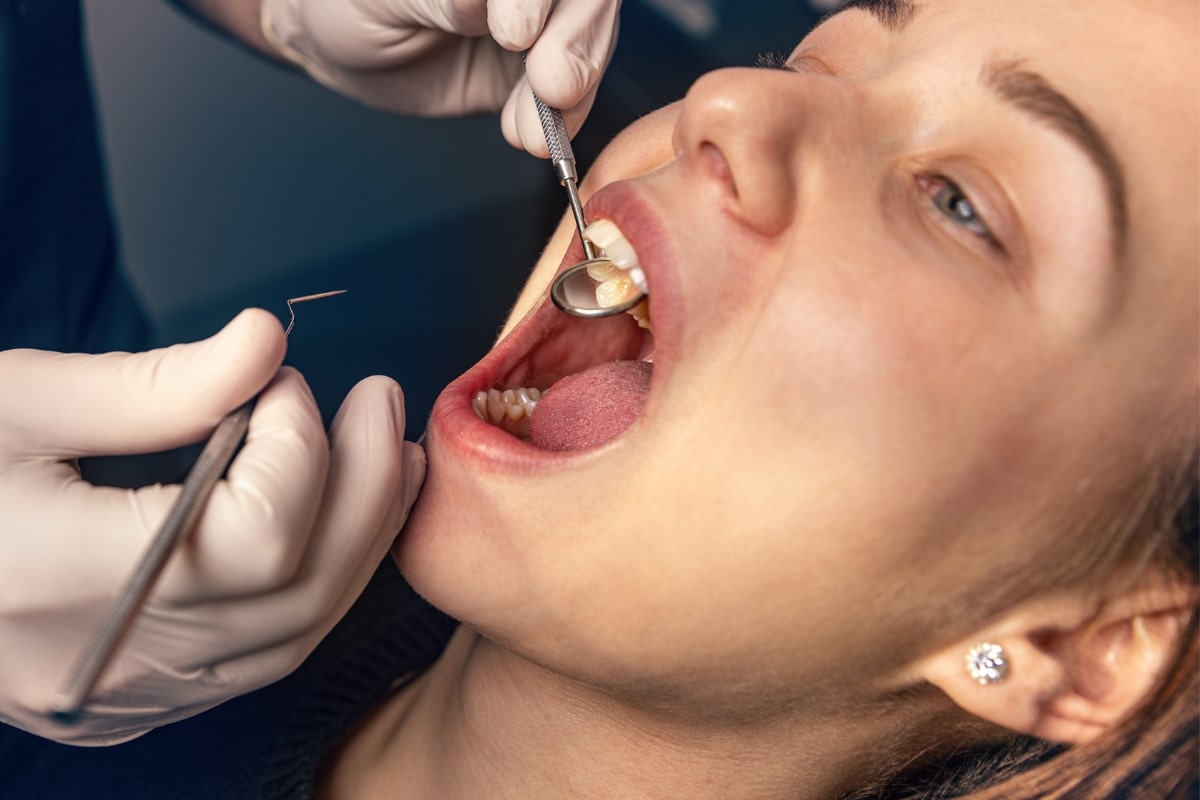
- Visit Your Dentist Regularly – Routine dental checkups can help detect early signs of both oral and overall health issues.
- Eat a Balanced Diet – A nutrient-rich diet supports both oral and general health, reducing the risk of disease.
- Manage Chronic Conditions – If you have diabetes, heart disease, or other conditions, follow your healthcare provider’s advice to prevent oral complications.
- Avoid Tobacco and Limit Alcohol Consumption – Both habits can increase the risk of gum disease, oral cancer, and other health problems.
You can take care of your teeth by continuing to brush twice a day and floss every day. Avoid consuming too many sugary and starchy foods, and drink water after each meal or snack to rinse your teeth. See Drs. Greg Bigelow, Peter Pastrell, Justin Buchanan, and Chad Hartzell for regular checkups, and contact Pastrell, Buchanan and Hartzell General Dentistry if you have any concerns about your teeth or gums.