

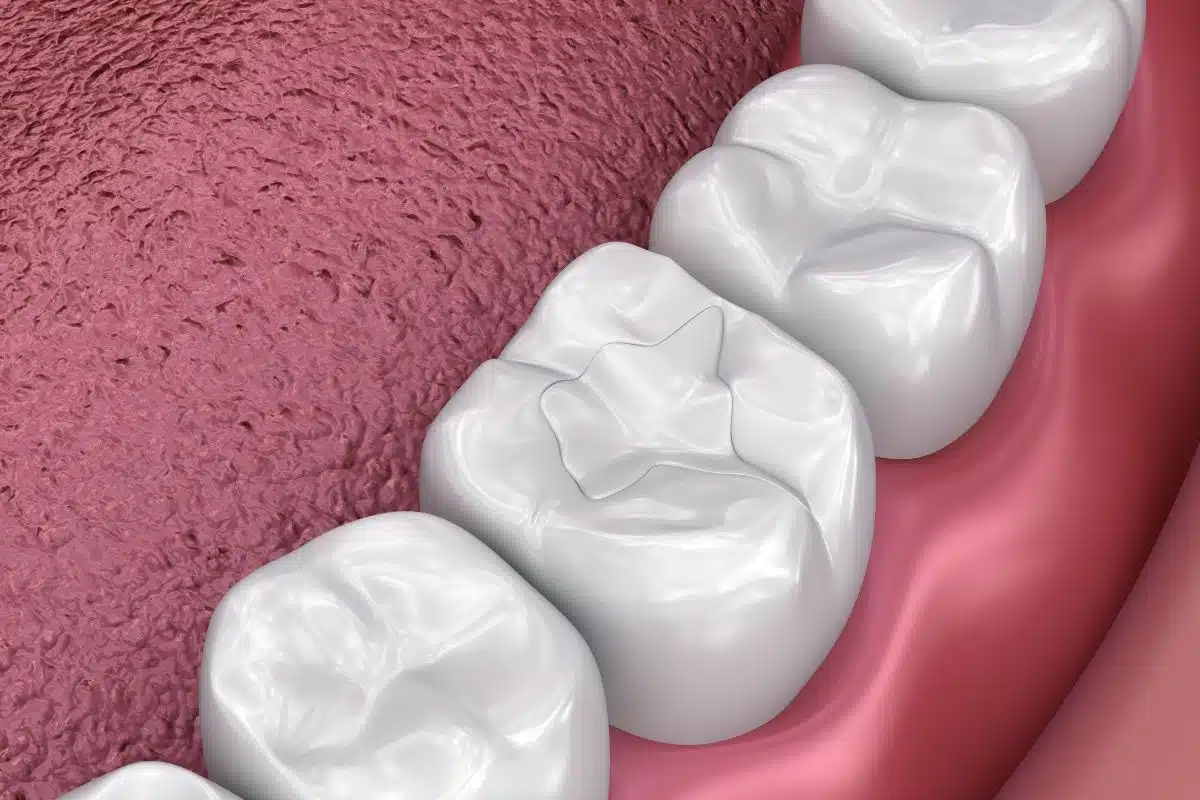
Composite Fillings for Receding Gums: Before and After
Gum recession is a common dental concern that can lead to tooth sensitivity, an increased risk of decay, and aesthetic concerns. One effective treatment option is composite fillings, which help protect exposed tooth roots and restore a natural appearance. In this blog, we’ll explore how composite fillings work for receding gums, their benefits, and what to expect before and after the procedure.
Understanding Gum Recession
Gum recession occurs when the gum tissue pulls back from the teeth, exposing the roots. It can result from factors such as:
- Brushing too hard or using a hard-bristled toothbrush
- Gum disease (periodontitis)
- Genetics
- Teeth grinding (bruxism)
- Smoking and tobacco use
- Aging
When the roots of teeth are exposed, they can become sensitive to hot, cold, and sweet foods, increasing discomfort. Composite fillings can effectively address these issues by covering the exposed areas.
How Composite Fillings Help Receding Gums
Composite fillings, made from a tooth-colored resin, are commonly used for cavities but also provide excellent coverage for exposed roots. Dentists apply and shape the material to blend seamlessly with the natural tooth structure. These fillings offer:
- Protection from decay by sealing the exposed root surface
- Reduced tooth sensitivity to temperature changes
- Improved aesthetics by matching the natural tooth color
- Minimally invasive treatment compared to gum graft surgery
Before the Procedure
Before receiving composite fillings for receding gums, your dentist will:
- Examine the affected teeth and assess the severity of gum recession.
- Recommend professional cleaning to remove plaque and tartar buildup.
- Discuss potential causes and preventive measures to stop further recession.
- Select a composite shade that matches your natural teeth for seamless results.
The Procedure: What to Expect
The process of applying composite fillings is relatively simple and pain-free:
- The area is cleaned and prepared.
- A mild etching solution may be applied to help the composite adhere.
- The composite resin is applied in layers and shaped to cover the exposed roots.
- A special light is used to harden the material.
- The filling is polished to ensure a smooth, natural look.
After the Procedure: Results & Care
After composite fillings are placed:
- You may notice an immediate reduction in sensitivity.
- Your gums may feel slightly sore for a short time but will adjust.
- You should maintain good oral hygiene with gentle brushing and flossing.
- Regular dental checkups will help monitor your gums and fillings.
Composite fillings offer a simple and effective solution for protecting exposed roots and improving the appearance of receding gums. If you’re experiencing gum recession and sensitivity, book an appointment at Pastrell, Buchanan & Hartzell General Dentistry to determine if composite fillings are the right option for you. With proper care, they can provide long-lasting comfort and protection while enhancing your smile.