
How Does Whitening Toothpaste Work, and How Effective Is It at Whitening Teeth?
A bright, white smile is something many people strive for, and whitening toothpaste has become one of the most popular ways to achieve it. But how does whitening toothpaste actually work? And more importantly, how effective is it at giving you the whiter smile you want? In this blog, we’ll break down the science behind whitening toothpaste, what it can and cannot do, and when you may need to consider professional whitening for noticeable results.
How Whitening Toothpaste Works
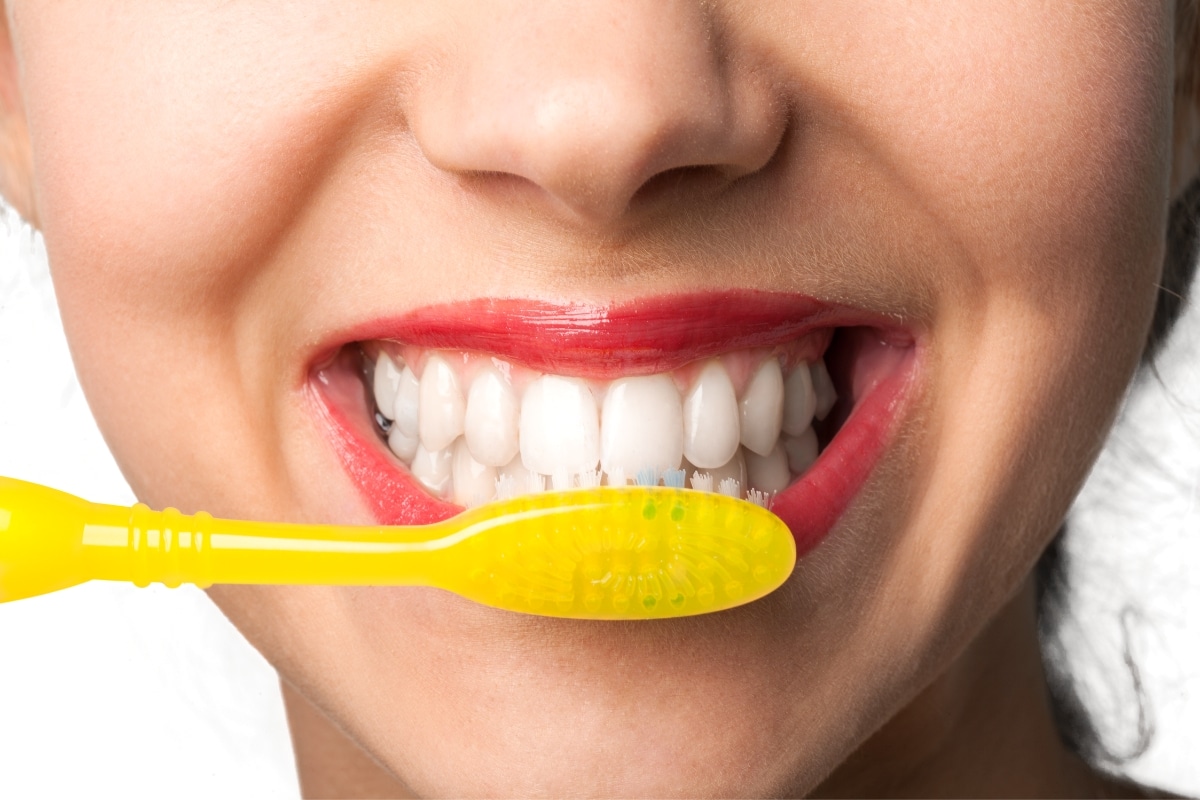
Whitening toothpaste is specially formulated with active ingredients designed to target surface stains and prevent new ones from forming. Unlike regular toothpaste, which primarily focuses on removing plaque, fighting cavities, and freshening breath, whitening toothpaste adds stain-fighting power. Here’s how:
- Mild Abrasives
Most whitening toothpastes contain mild abrasives such as hydrated silica or calcium carbonate. These tiny particles gently scrub away stains from the enamel surface caused by coffee, tea, red wine, or smoking. - Chemical Agents
Some toothpastes contain chemical agents like hydrogen peroxide or carbamide peroxide, which are the same bleaching agents used in professional whitening treatments (though in much lower concentrations). These help break down stains on the tooth’s surface. - Stain-Preventing Ingredients
Whitening toothpaste often includes ingredients like sodium hexametaphosphate, which helps prevent new stains from sticking to teeth by creating a protective barrier. - Optical Brighteners
A few brands use blue covarine, a special chemical that creates the illusion of whiter teeth by reducing yellow tones and making teeth appear brighter instantly.
How Effective Is Whitening Toothpaste?
While whitening toothpaste can help brighten your smile, it’s important to understand its limitations. Here are some factors that affect its effectiveness:
- Best for Surface Stains
Whitening toothpaste is most effective at removing surface stains from enamel caused by lifestyle habits like drinking coffee, tea, or soda. If discoloration comes from within the tooth (intrinsic stains), toothpaste alone cannot address it. - Subtle, Gradual Results
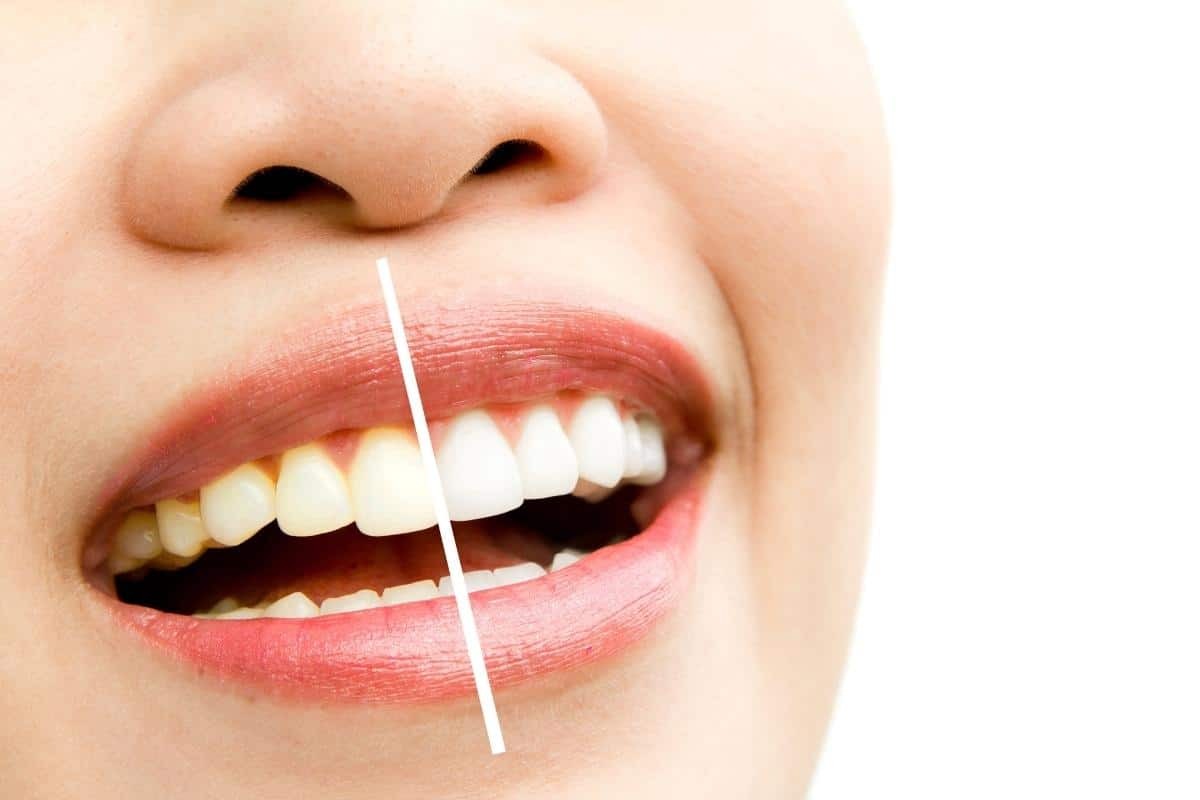
Unlike professional whitening treatments that can make teeth multiple shades lighter in a short time, whitening toothpaste usually provides subtle results over weeks or months of consistent use. - No Change in Natural Tooth Color
Whitening toothpaste cannot alter your natural tooth shade—it only helps restore teeth closer to their natural whiteness by removing stains. - Effectiveness Depends on Ingredients
Toothpastes with low levels of peroxide may provide some whitening effects, but not as dramatic as professional whitening done in a dental office.
Pros and Cons of Whitening Toothpaste
Like any dental product, whitening toothpaste has both advantages and drawbacks.
Pros:
- Affordable and easy to use daily.
- Helps prevent new stains from forming.
- Improves overall oral hygiene while brightening teeth.
- Safe for most people when used as directed.
Cons:
- Limited whitening effect compared to professional treatments.
- Can cause temporary tooth sensitivity in some users.
- May take weeks to show noticeable results.
- Cannot treat deep or intrinsic stains.
When to Consider Professional Whitening
If you’re looking for a truly noticeable difference, whitening toothpaste alone may not deliver the results you want. Professional whitening treatments offer:
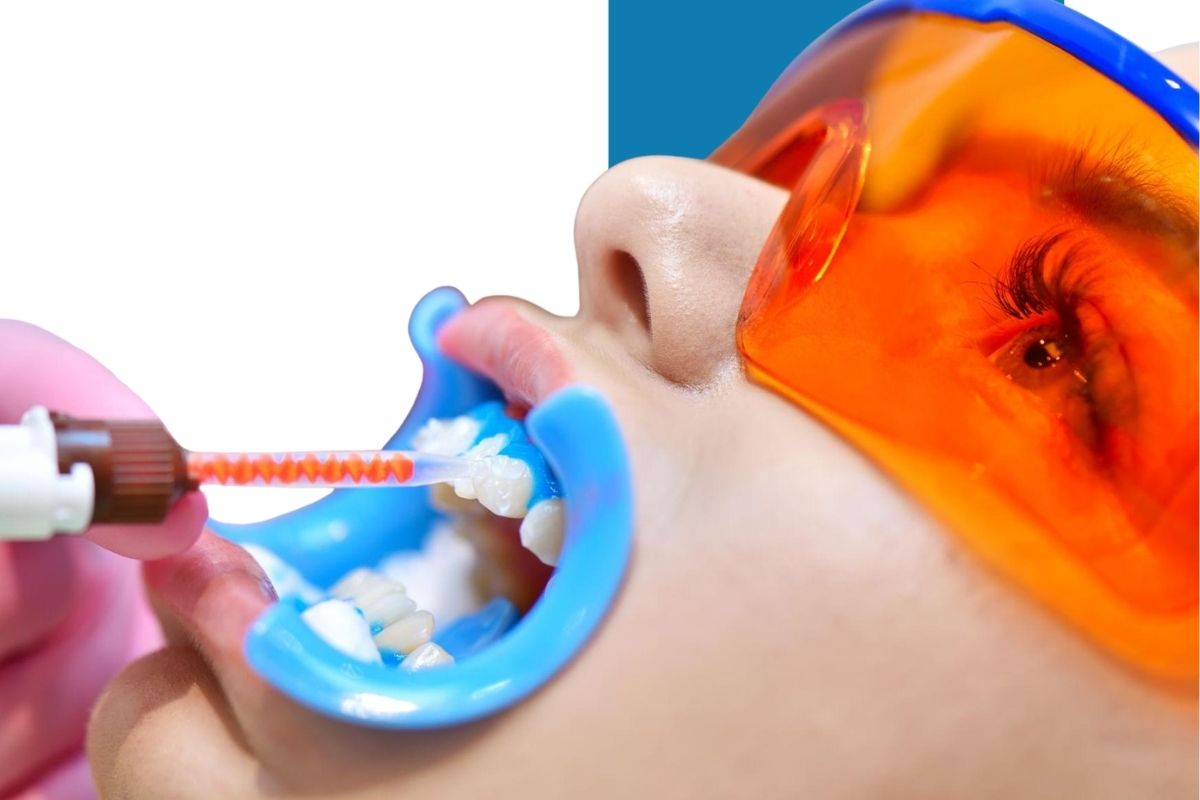
- Stronger Whitening Agents – Dentists use higher concentrations of peroxide that can whiten teeth several shades in just one visit.
- Personalized Treatment – Whitening is tailored to your specific needs and level of staining.
- Faster Results – Professional whitening achieves results in as little as an hour, compared to months with toothpaste alone.
- Longer-Lasting Effects – With proper care, professional whitening results can last much longer.
Tips for Maintaining a Whiter Smile
Whether you use whitening toothpaste or undergo professional whitening, these tips can help keep your smile brighter:
- Brush twice a day with fluoride toothpaste.
- Floss daily to prevent plaque buildup.
- Rinse with water after consuming staining foods or drinks.
- Limit coffee, tea, red wine, and tobacco use.
- Schedule regular dental cleanings for stain removal and oral health maintenance.
While whitening toothpaste is a good start for removing everyday stains, it may not be enough to achieve the radiant smile you’re after. For safe, effective, and longer-lasting whitening results, consider professional dental whitening.
At our dental office, we offer advanced whitening treatments tailored to your needs. Visit us at 1050 SW Grandview Ave, Grants Pass, OR 97527, and let our team help you achieve the smile you’ve always wanted. Book an appointment now and take the first step toward a brighter, more confident smile!