
What Does a Bridge Look Like in Your Mouth?
When you lose a tooth, it doesn’t just affect your smile—it impacts your confidence, chewing ability, and oral health. One of the most common and effective solutions for missing teeth is a dental bridge. But if you’re considering this treatment, you may be wondering: What does a bridge actually look like in your mouth? This guide will walk you through the appearance, function, and benefits of dental bridges so you know exactly what to expect.
Understanding Dental Bridges
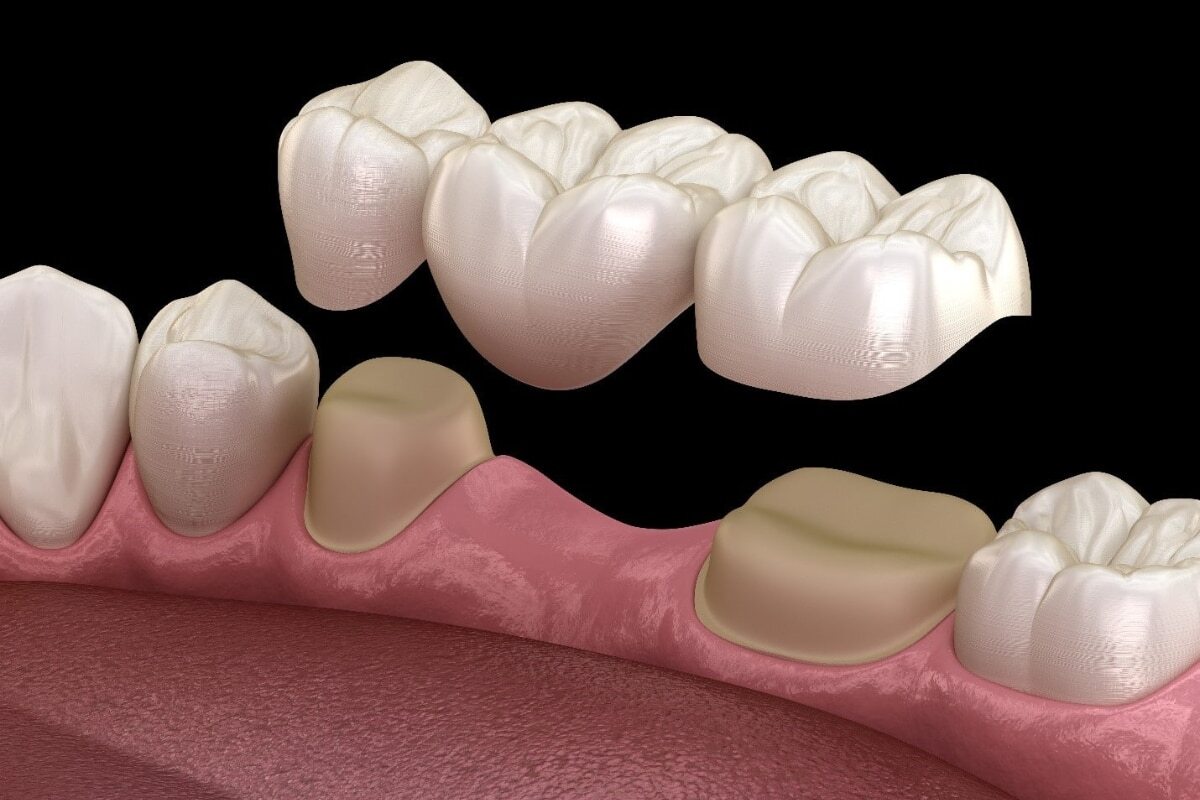
A dental bridge is a prosthetic device that fills the gap left by a missing tooth. It typically consists of:
- Pontics (false teeth): These are the replacement teeth that “bridge” the gap.
- Abutment teeth: The natural teeth (or implants) on either side of the gap that support the bridge.
Modern bridges are designed to match your natural teeth in shape, size, and color, so they blend seamlessly into your smile.
What Does a Bridge Look Like in the Mouth?
Once placed, a dental bridge looks very much like your natural teeth. The pontics are custom-made to match your enamel’s color, so they don’t stand out. Depending on the type of bridge you receive:
- Traditional bridges attach to crowns placed on the abutment teeth.
- Cantilever bridges are anchored on just one side when there’s only one supporting tooth.
- Maryland bridges use a framework bonded behind the teeth, making them less noticeable.
- Implant-supported bridges are fixed to dental implants, offering maximum stability.
To the casual observer, dental bridges look natural. Most patients say that friends and family can’t even tell they have one unless they point it out.
Benefits Beyond Appearance
While patients often ask about the look of a bridge, the advantages go far beyond cosmetics. Bridges help:
- Restore chewing and speaking ability.
- Maintain facial structure by preventing teeth from shifting.
- Distribute bite forces evenly across teeth.
- Improve confidence in social and professional settings.
In short, bridges don’t just restore your smile—they restore your quality of life.
What to Expect During the Procedure
The process of getting a bridge usually takes two appointments:
- Preparation: The dentist reshapes the abutment teeth and takes impressions to create a custom bridge.
- Placement: The permanent bridge is bonded or cemented into place, ensuring a secure and comfortable fit.
After placement, your bridge may feel slightly foreign for a few days, but most patients adapt quickly.
Caring for Your Dental Bridge
To make your bridge last (often 10–15 years or longer), proper care is essential:
- Brush twice daily with a fluoride toothpaste.
- Floss with a threader or special bridge floss to clean underneath the pontic.
- Avoid chewing excessively hard foods like ice.
- Schedule routine dental visits for checkups and cleanings.
With good oral hygiene, your bridge can stay strong and beautiful for many years.
FAQs About Dental Bridges
1. Will my bridge feel different than my natural teeth?
At first, you may notice a slight pressure difference when chewing, but most patients adjust quickly, and the bridge feels like a natural part of the mouth.
2. Can people tell if I have a bridge?
No—modern bridges are designed to match your teeth, making them virtually undetectable.
3. How long do dental bridges last?
With proper care, a bridge can last 10 to 15 years or longer before needing replacement.
So, what does a bridge look like in your mouth? The answer is simple—it looks just like your natural teeth. Whether you’re smiling, talking, or eating, your bridge is designed to blend in seamlessly and restore both function and beauty.
If you’re considering a dental bridge and want to see how it can improve your smile, visit us at 1050 SW Grandview Ave, Grants Pass, OR 97527, and book an appointment now. Our team is here to help you regain your confidence and oral health.