
6 Things You Should Know About Invisalign Before and After
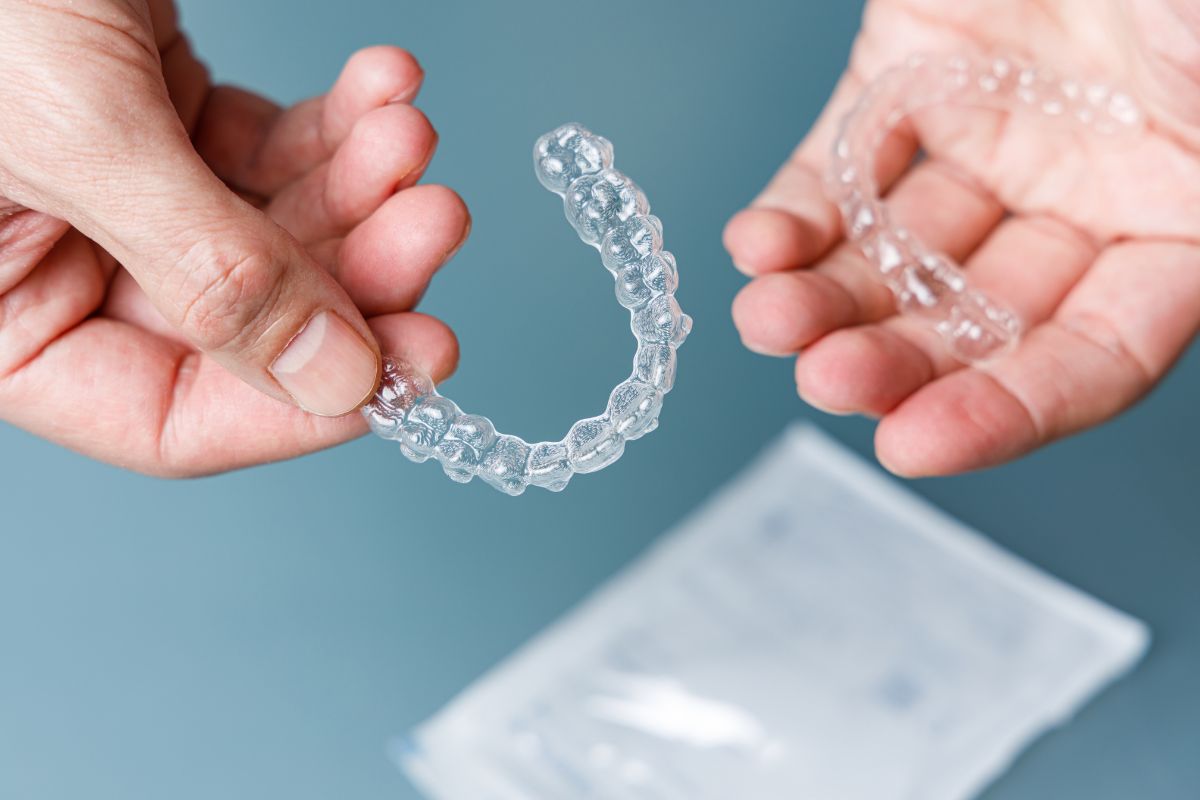
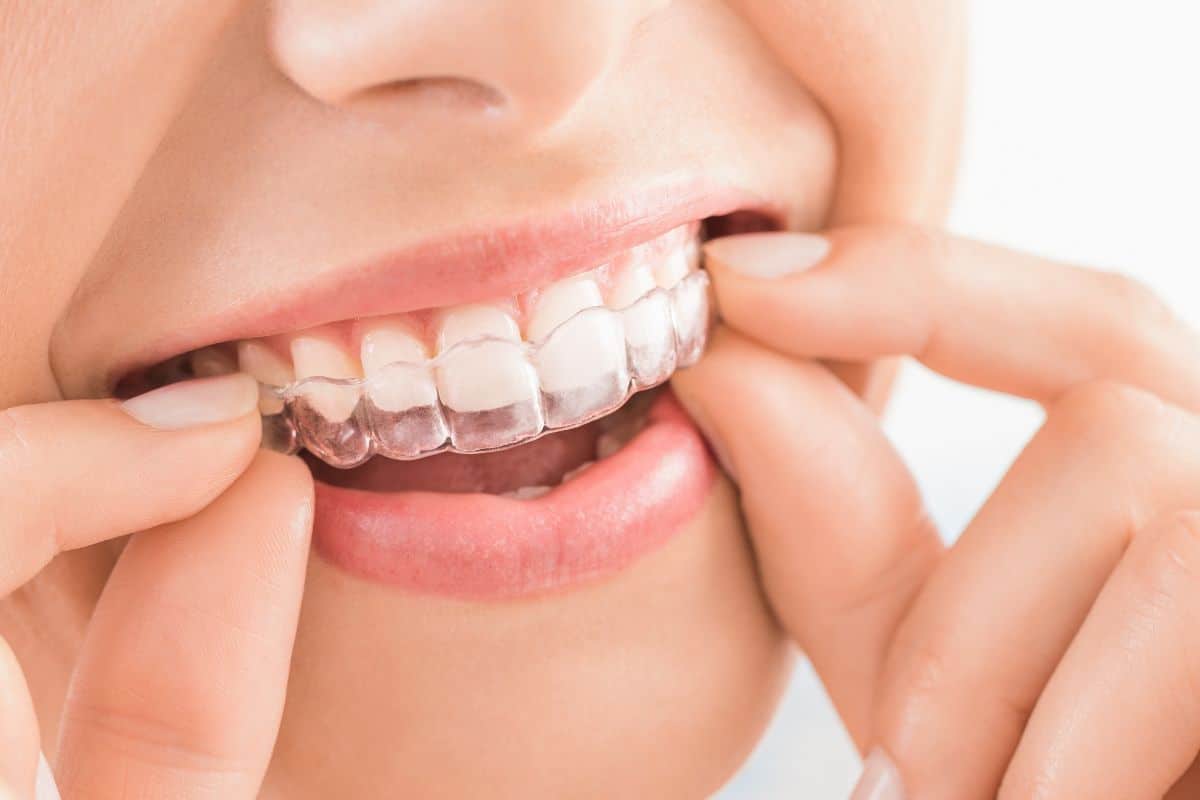
Invisalign is a popular orthodontic treatment that offers a discreet and convenient alternative to traditional metal braces. It uses clear, removable aligners to gradually straighten teeth, making it a favored choice for both teens and adults. However, before you decide to start your Invisalign journey, there are several important things you should know. In this blog, we’ll discuss six key points about Invisalign before and after treatment to help you make an informed decision.
1. Invisalign is Not for Everyone
Before:
- Eligibility: Invisalign is suitable for a wide range of dental issues, including mild to moderate crowding, spacing, and bite problems. However, it may not be the best option for more complex cases that require significant tooth movement or jaw adjustments.
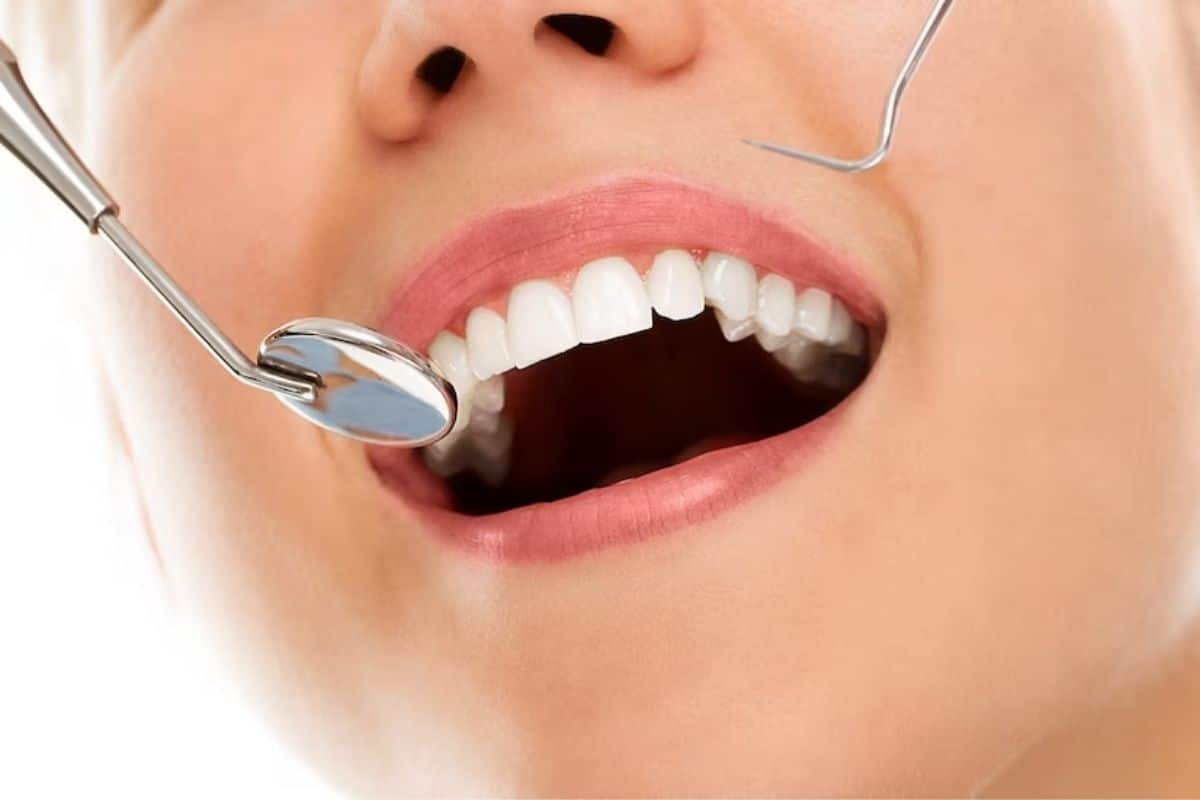
- Consultation: A thorough consultation with an orthodontist or dentist is essential to determine if Invisalign is the right treatment for you. They will assess your dental health, take X-rays, and create a 3D model of your teeth to develop a personalized treatment plan.
After:
- Follow-Up Treatments: For more complex cases, additional treatments or refinements might be necessary after completing the initial Invisalign treatment. This could include using traditional braces for a short period or additional aligners to achieve the desired results.
2. Commitment and Discipline are Required
Before:
- Wearing Aligners: Invisalign aligners need to be worn for 20-22 hours a day to be effective. This means you must wear them consistently and only remove them for eating, drinking (anything other than water), and oral hygiene.
- Treatment Duration: The average treatment duration is 12-18 months, but it can vary depending on the complexity of your case and how well you adhere to wearing the aligners.
After:
- Retention: After completing the Invisalign treatment, you will need to wear retainers to maintain your new smile. Retainers help prevent your teeth from shifting back to their original positions. Initially, retainers might need to be worn full-time and eventually transitioned to nighttime wear.
3. Regular Dental Visits are Crucial
Before:
- Check-Ups: During your Invisalign treatment, you will have regular check-ups with your orthodontist or dentist to monitor your progress and ensure your teeth are moving as planned. These visits typically occur every 6-8 weeks.
- Adjustments: Occasionally, minor adjustments or refinements to your aligners might be necessary to ensure optimal results.
After:
- Long-Term Care: Even after you finish wearing aligners, regular dental visits remain important. Your dentist will check the fit of your retainers and monitor your dental health to ensure your smile stays in great shape.
4. Oral Hygiene is Essential
Before:
- Cleaning Aligners: Keeping your aligners clean is crucial to prevent staining and maintain oral hygiene. Aligners should be cleaned regularly using a toothbrush and clear, anti-bacterial soap or specialized cleaning crystals.
- Brushing and Flossing: You must brush and floss your teeth after every meal before putting your aligners back in. This helps prevent food particles and bacteria from getting trapped between your teeth and the aligners.
After:
- Continued Care: Maintaining good oral hygiene is essential even after your treatment is complete. Continue brushing and flossing regularly and cleaning your retainers as instructed by your orthodontist.
5. Diet and Lifestyle Adjustments
Before:
- Dietary Changes: While Invisalign aligners are removable, it’s recommended to avoid certain foods and drinks that can stain or damage them. For example, dark-colored beverages like coffee, tea, and red wine can discolor the aligners.
- Snacking: Because you need to remove the aligners for eating and drinking, frequent snacking can be inconvenient. It’s best to stick to regular meal times to minimize the hassle of constantly taking out and cleaning your aligners.
After:
- Diet Freedom: Once your treatment is complete, you can enjoy your favorite foods and drinks without worrying about staining or damaging aligners. However, maintaining a healthy diet and limiting sugary foods can help keep your teeth and gums healthy.
6. Cost and Insurance Coverage
Before:
- Cost Considerations: Invisalign treatment can be more expensive than traditional braces. The cost varies based on the complexity of your case and your geographic location. It’s important to discuss payment options and financing plans with your dental provider.
- Insurance: Some dental insurance plans cover a portion of Invisalign treatment costs. Check with your insurance provider to understand your coverage and any out-of-pocket expenses you might incur.
After:
- Long-Term Investment: While the upfront cost of Invisalign can be significant, the long-term benefits of a straight, healthy smile are invaluable. Many people find that the convenience and aesthetic advantages of Invisalign make it a worthwhile investment.
Conclusion
Invisalign offers a discreet and effective way to achieve a beautiful, straight smile. Understanding the commitment, costs, and lifestyle adjustments involved can help you make an informed decision about your orthodontic treatment. By following your orthodontist’s advice and maintaining good oral hygiene, you can enjoy the benefits of Invisalign both during and after treatment. If you’re considering Invisalign, schedule a consultation with your dentist or orthodontist to discuss your options and start your journey towards a confident, radiant smile.