

Sedation Dentistry for People with Sensitive Teeth: Comfort and Relaxation
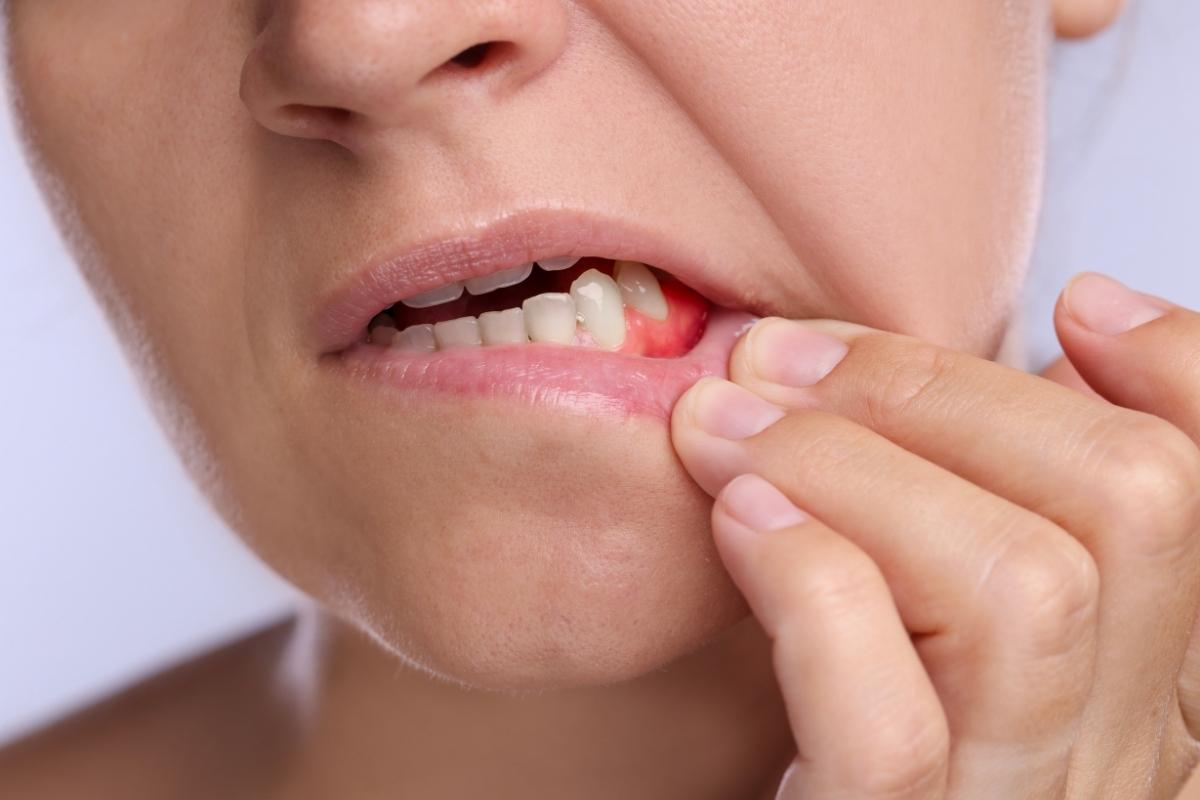
If you have sensitive teeth, a simple dental cleaning can feel like a painful ordeal. Even the thought of an upcoming dental appointment might fill you with dread—sharp zings, discomfort, and lingering soreness can make routine oral care overwhelming. But what if going to the dentist didn’t have to hurt?
Sedation dentistry offers a safe and effective way to manage dental sensitivity, reduce anxiety, and ensure a more comfortable experience during your appointments. Whether you’re undergoing a routine cleaning or a more involved procedure, sedation can help make your visit smooth and stress-free.
In this blog, we’ll explore how sedation dentistry works, why it’s especially helpful for people with sensitive teeth, and what types of sedation are available.
Understanding Sensitive Teeth
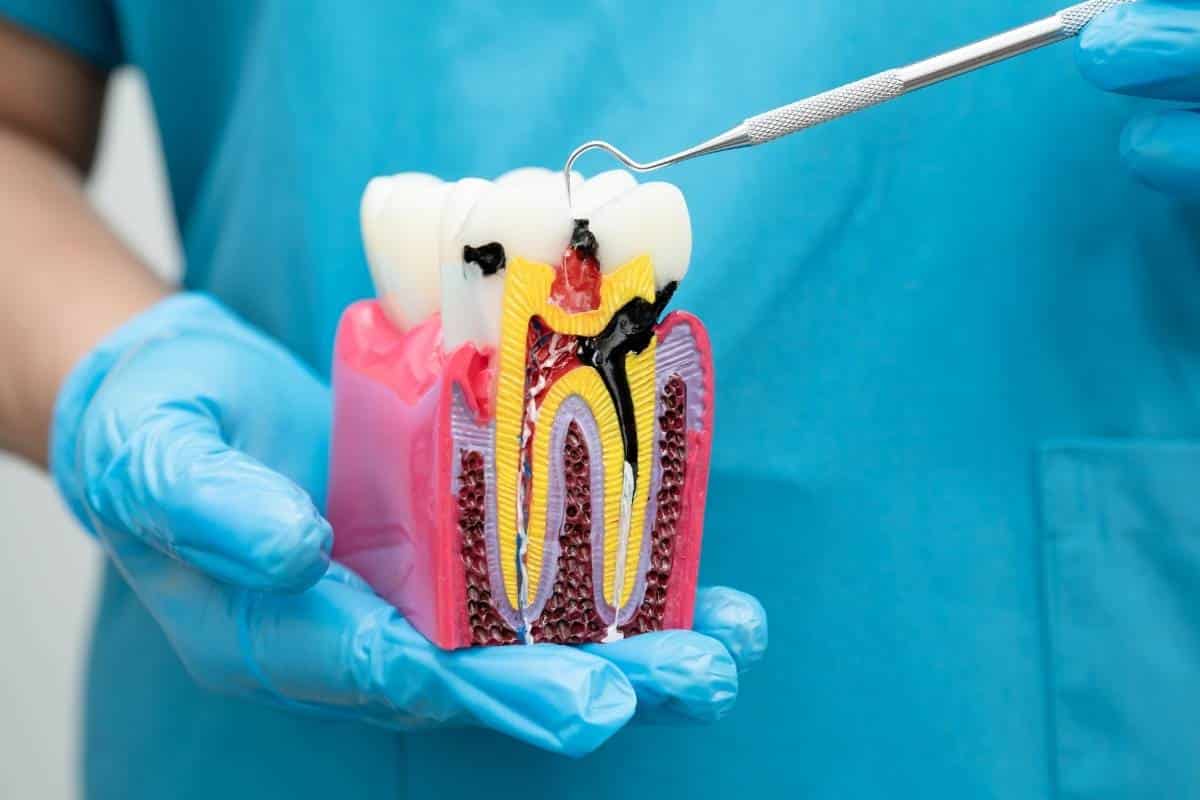
Before diving into sedation, let’s talk about what causes tooth sensitivity. Sensitivity often results from:
- Enamel erosion
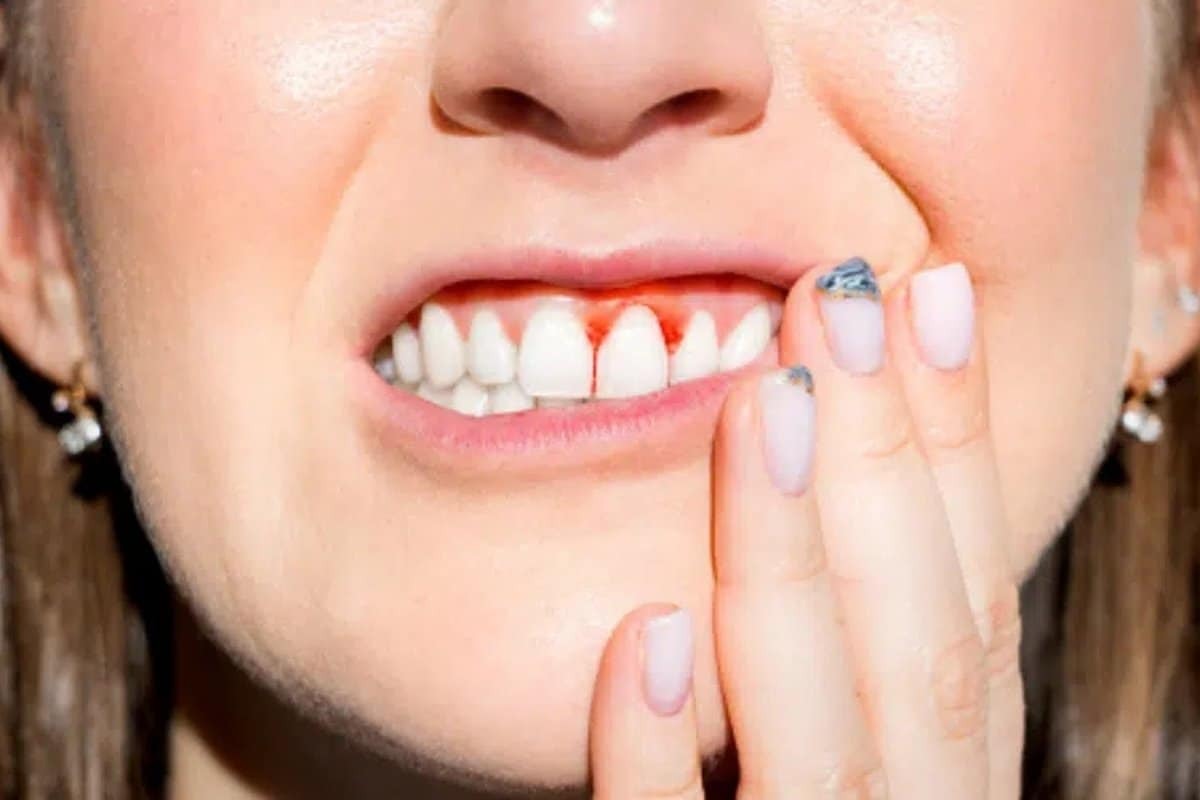
- Receding gums
- Tooth decay
- Cracked or worn-down teeth
- Exposed dentin or tooth roots
These issues can make even the gentlest dental procedures uncomfortable. Cold water, air, or the vibration from dental tools can trigger sharp pain. For people with sensitive teeth, this discomfort can lead to dental avoidance, which only worsens oral health in the long run.
That’s where sedation dentistry steps in.
What Is Sedation Dentistry?
Sedation dentistry uses medication to help patients relax during dental procedures. It’s sometimes referred to as “sleep dentistry,” although most sedation methods don’t actually put you to sleep. Instead, they induce a state of calm and reduced awareness, making your experience more pleasant and pain-free.
Sedation is tailored to your needs and the type of procedure being performed. It can be used for everything from cleanings to fillings to oral surgery.
How Sedation Dentistry Helps People with Sensitive Teeth
Sedation dentistry is a game-changer for people with sensitive teeth because it:
1. Reduces Pain Perception
Sedatives dull your nervous system’s response to pain, which means you’re far less likely to feel discomfort from cold instruments, air pressure, or gentle touch.
2. Minimizes Gag Reflex and Jaw Tension
Patients with sensitive teeth often experience discomfort simply from keeping their mouths open. Sedation helps relax facial and jaw muscles, making it easier to remain still and comfortable during treatment.
3. Alleviates Dental Anxiety
Sensitivity can create a cycle of fear: you expect pain, so you avoid care, and the problem worsens. Sedation dentistry interrupts this cycle, allowing you to receive needed treatment without emotional or physical stress.
4. Allows for Longer Procedures with Less Distress
For patients needing extensive dental work, sedation allows multiple treatments to be done in one visit—without the physical discomfort of prolonged dental exposure.
Types of Sedation Used in Dentistry
Dentists offer several levels of sedation depending on the procedure, your medical history, and your level of dental sensitivity or anxiety:
1. Nitrous Oxide (Laughing Gas)
- Level: Mild sedation
- How it works: You breathe in a mix of nitrous oxide and oxygen through a mask.
- Benefits: Quick to take effect, wears off fast, and allows you to drive yourself home afterward.
- Ideal for patients with mild to moderate sensitivity or anxiety.
2. Oral Sedation
- Level: Moderate sedation
- How it works: You take a prescribed sedative pill (like Halcion or Valium) about an hour before your appointment.
- Benefits: Keeps you awake but deeply relaxed. You may not remember much of the procedure.
- Ideal for moderate sensitivity, longer procedures, or patients with mild dental phobia.
3. IV Sedation
- Level: Deep sedation
- How it works: Medication is administered through an IV, allowing the dentist to adjust the level of sedation as needed.
- Benefits: rapid onset, strong relaxation, and partial to full memory loss of the procedure.
- Ideal for severe sensitivity, dental phobia, or complex dental work.
4. General Anesthesia
- Level: Complete unconsciousness
- How it works: Administered by an anesthesiologist in a hospital or surgical setting.
- Ideal for rare cases involving extreme fear, special needs, or significant dental trauma.
Is Sedation Dentistry Safe?
Yes—sedation dentistry is generally very safe when performed by trained dental professionals. Your dentist will:
- Review your medical history
- Ask about medications or allergies
- Monitor your vitals throughout the procedure
However, sedation may not be suitable for everyone. People who are pregnant, have certain respiratory conditions, or take specific medications may require alternative pain management options.
What to Expect Before, During, and After Sedation Dentistry
Before Treatment
- You may be asked to avoid food and drink for several hours beforehand (especially with oral or IV sedation).
- Arrange for someone to drive you home if you’re receiving anything beyond nitrous oxide.
During Treatment
- You’ll feel relaxed, possibly drowsy, and less aware of your surroundings.
- The dental team will continue to communicate with you and monitor your comfort.
After Treatment
- You may feel a bit groggy if you had oral or IV sedation.
- Most patients report minimal to no memory of the procedure.
- You’ll be given aftercare instructions tailored to your treatment.
Who Should Consider Sedation Dentistry?
You might be a good candidate for sedation dentistry if you:
- Have sensitive teeth that make routine care uncomfortable
- Experience dental anxiety or phobia
- Have a strong gag reflex
- Need extensive or complex dental work
- Have had traumatic dental experiences in the past
- Have difficulty sitting still due to medical or behavioral conditions
Benefits of Sedation Dentistry Beyond Comfort
While sedation helps with physical and emotional comfort, it also:
- Improves treatment efficiency: Dentists can often complete more work in fewer appointments.
- Encourages regular dental care: Patients who fear the dentist are more likely to return for routine cleanings and checkups.
- Leads to better long-term oral health: When sensitivity and fear aren’t holding you back, your overall dental wellness improves.
For people with sensitive teeth, sedation dentistry is a compassionate, effective solution that makes dental care accessible and stress-free. Whether you’re struggling with anxiety, discomfort, or physical sensitivity, sedation can help you reclaim control over your oral health journey without fear or pain.
By working with a sedation-trained dentist, you can enjoy a more comfortable experience and keep your smile healthy for years to come.
Ready to Experience Gentle, Stress-Free Dental Care?
If you’ve been putting off dental treatment due to sensitive teeth, talk to your dentist about sedation options. You deserve a pain-free, relaxing visit—and sedation dentistry might be the key to unlocking a more comfortable smile.