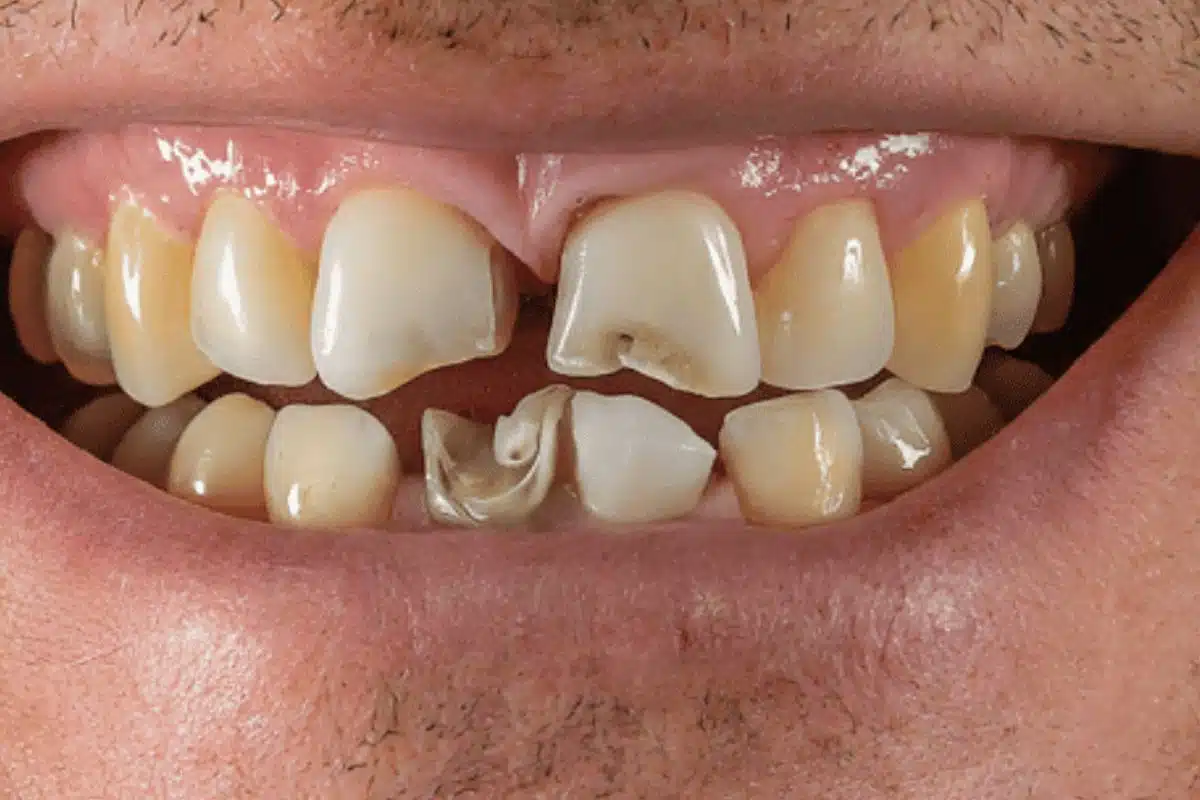


Do You Need Implants in the Upper Jaw, Lower Jaw, or Both? Here’s How to Know
Dental implants have become the gold standard for replacing missing teeth due to their durability, functionality, and natural appearance. But if you’re considering implants, you may be wondering: Do I need them in the upper jaw, lower jaw, or both?
The answer depends on your unique oral health condition, the number of missing teeth, bone density, and your long-term goals. This blog will guide you through the factors that determine implant placement, signs you may need upper or lower jaw implants, and what to expect during treatment.
Understanding Dental Implants
A dental implant is a small titanium post surgically inserted into the jawbone to serve as an artificial tooth root. Once placed, it supports a dental crown, bridge, or even a full arch of teeth. Implants are designed to fuse with the bone through a process called osseointegration, providing a stable and permanent solution for tooth loss.
Implants can be used in the:
- Upper jaw (maxilla)
- Lower jaw (mandible)
- Both jaws, depending on the patient’s needs
Let’s look at what might warrant an implant in each area.
When Do You Need Upper Jaw Implants?
The upper jaw often presents unique challenges due to its anatomy. The bone in this area tends to be softer and less dense than in the lower jaw, which can affect implant stability. Additionally, the proximity of the sinus cavity may require preparatory procedures like a sinus lift.
You may need implants in the upper jaw if:
1. You’re Missing Teeth in the Upper Arch
If one or more teeth are missing in your upper jaw due to decay, trauma, or gum disease, implants can fill those gaps. A single implant can support a crown, or multiple implants can support a bridge or full denture.
2. You Wear a Loose Upper Denture
Removable upper dentures often rely on suction against the roof of the mouth, but this can become uncomfortable and unstable over time. Dental implants offer a secure alternative that prevents slippage and allows for better chewing and speaking.
3. Your Upper Jawbone Has Sufficient Bone Mass
Implants require adequate bone density. If your upper jaw has healthy bone, implants are usually very successful. If not, a bone graft or sinus lift may be needed before implant placement.
When Do You Need Lower Jaw Implants?
The lower jawbone is typically denser than the upper, offering strong support for implants. However, this area is also more prone to bone resorption when teeth are missing, especially in the back molar regions.
Lower jaw implants may be necessary when:
1. You’re Missing Teeth in the Lower Arch
Like the upper jaw, missing teeth in the lower jaw can affect your bite, speech, and ability to eat. Implants restore normal function and appearance.
2. You Have Bone Loss in the Mandible
Long-term tooth loss can lead to jawbone shrinkage. If you’re wearing a lower denture that doesn’t fit well due to bone loss, implant-retained dentures or All-on-4 implants can offer a more permanent fix.
3. You Grind Your Teeth
People who suffer from bruxism (teeth grinding) often wear down their natural teeth and dental prosthetics. Implants in the dense lower jaw can offer superior support and longevity in such cases, though special guards may be needed to protect them.
When Might You Need Implants in Both Jaws?
If you’re missing all or most teeth in both arches, or suffer from extensive dental damage, full-mouth rehabilitation with implants in both jaws might be necessary.
Signs You May Need Full-Arch Implants:
- Complete or near-complete tooth loss in both jaws
- Advanced gum disease affecting all teeth
- Loose or ill-fitting upper and lower dentures
- Difficulty eating and speaking due to lack of support
- Desire for a permanent, non-removable solution
In such cases, options like All-on-4 or All-on-6 dental implants can provide full arch restorations using a minimum number of implants strategically placed in both jaws.
What Dentists Evaluate Before Recommending Implant Placement
Before determining where you need implants, your dentist or oral surgeon will conduct a thorough evaluation, which typically includes:
- Digital X-rays and 3D imaging to assess bone quality
- Intraoral exam to evaluate gum health and tooth position
- Review of medical history and medications
- Assessment of bite alignment and jaw structure
- Discussion of your goals and lifestyle
This personalized evaluation helps create a treatment plan tailored to your specific needs—whether you require implants in the upper jaw, lower jaw, or both.
Bone Grafting and Sinus Lifts: Enhancing Implant Success
If you’re lacking sufficient bone in the upper or lower jaw, you may still be a candidate for implants after a preparatory procedure like:
1. Bone Grafting
Used to add volume and density to areas with bone loss. Common in the lower jaw.
2. Sinus Lift
Performed when the upper jaw doesn’t have enough vertical bone height due to sinus proximity. The sinus membrane is lifted, and bone graft material is added to allow implant placement.
These procedures improve implant success rates and provide long-lasting results.
Alternatives If You’re Not a Candidate for Implants in One Jaw
Sometimes, implants may only be possible in one jaw due to medical or anatomical limitations. In such cases, your dentist might recommend:
- Implant-supported denture in one jaw, with a traditional denture in the other
- Mini dental implants as an alternative to full-sized implants
- Hybrid restorations using a combination of bridges and removable prosthetics
Even if full implant placement isn’t possible, your dentist can still help create a functional and aesthetic solution that improves your quality of life.
Dental implants are a highly effective solution for replacing missing teeth in the upper jaw, lower jaw, or both—but choosing the right placement depends on a variety of individual factors. A professional evaluation is essential to determine your bone density, oral health status, and overall candidacy for implants.
Whether you’re missing one tooth or several, implants can restore your ability to eat, speak, and smile confidently—no matter which jaw they’re needed in.
If you’re unsure about your next step, don’t wait. Schedule a consultation with a dental implant expert to find out exactly what your smile needs.
Your healthier, complete smile is just one appointment away.