

Top 5 Reasons You Might Need a Dental Crown
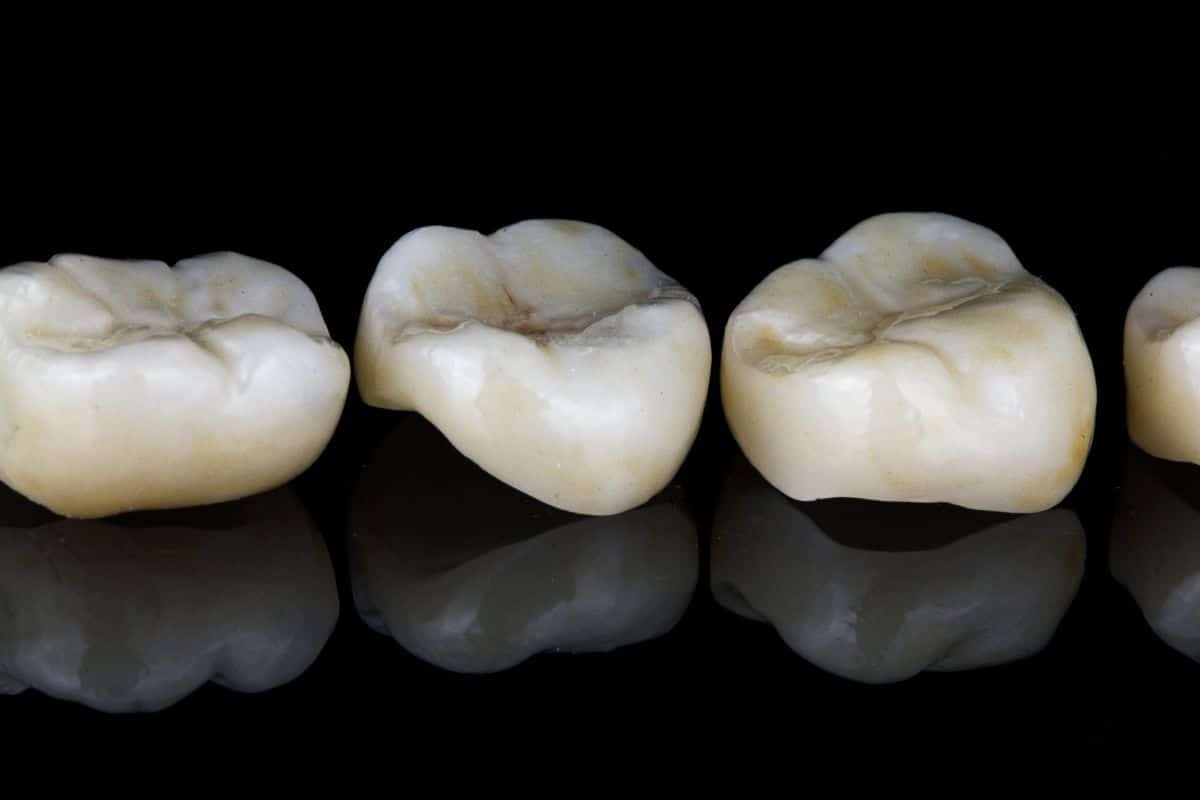
Dental health is a crucial aspect of overall wellness, and restorative dentistry offers various solutions to preserve natural teeth and restore function. One of the most versatile tools in a dentist’s arsenal is the dental crown—a tooth-shaped cap that is placed over a damaged or compromised tooth to restore its strength, shape, and appearance. Whether you’re experiencing tooth pain or have been told by your dentist that a crown might be necessary, it helps to understand the most common reasons why dental crowns are recommended.
In this blog, we’ll explore the top five reasons you might need a dental crown, how they work, and the benefits they provide.
1. To Protect a Weak or Damaged Tooth
One of the most common reasons for getting a dental crown is to protect a tooth that has been structurally weakened. Teeth can become weak due to:
- Large fillings that leave the remaining tooth structure fragile
- Cracks or fractures from trauma or grinding
- Extensive decay that compromises the tooth’s integrity
In such cases, a dental crown acts like a protective shell, covering the damaged tooth to prevent it from breaking or deteriorating further. By absorbing and redistributing the forces of biting and chewing, the crown helps maintain functionality while shielding the natural tooth from additional harm.
2. Following a Root Canal Procedure
Root canals are performed to remove infected or inflamed pulp from inside the tooth. While this procedure saves the tooth from extraction, it can leave the tooth hollow and brittle. After a root canal, the tooth is more susceptible to fractures or breakage due to the loss of internal tissue.
To reinforce the tooth and restore its function and appearance, a dental crown is typically placed over the treated tooth. This not only strengthens the tooth but also seals it from bacteria and debris, helping to prevent future infections.
3. To Restore a Severely Worn Down Tooth
Years of teeth grinding (bruxism), acid erosion from dietary habits or medical conditions like GERD, and general wear and tear can lead to the loss of tooth enamel and structure. When a tooth is worn down to the point where it affects your bite or causes sensitivity, a dental crown can provide a much-needed restoration.
A crown restores the original height and shape of the tooth, allowing for proper alignment and function. It can also alleviate jaw pain or discomfort caused by an uneven bite, which often occurs when teeth wear down at different rates.
4. To Support a Dental Bridge or Cover a Dental Implant
Dental crowns also play a pivotal role in tooth replacement. If you’re missing one or more teeth, your dentist may suggest a dental bridge, which uses adjacent teeth as anchors to hold a false tooth in place. These anchor teeth, known as abutments, are typically fitted with crowns to provide stability for the bridge.
Similarly, dental implants—which are titanium posts surgically placed into the jawbone—are completed by attaching a crown on top. This crown looks and functions like a natural tooth, restoring your smile and chewing ability without affecting surrounding teeth.
In both cases, dental crowns are critical components that contribute to a long-lasting and aesthetically pleasing result.
5. To Improve Cosmetic Appearance
Dental crowns aren’t only used for restorative purposes—they’re also popular in cosmetic dentistry. If you have a tooth that is misshapen, discolored, or poorly aligned, a crown can dramatically improve its appearance. Unlike veneers, which cover only the front surface of a tooth, crowns cover the entire tooth, providing a more comprehensive transformation.
Porcelain and ceramic crowns are custom-made to match the color, shape, and size of your surrounding teeth, blending seamlessly into your smile. For patients seeking a smile makeover, especially when other treatments like whitening or bonding aren’t suitable, dental crowns offer a durable and beautiful solution.
What to Expect During the Dental Crown Process
Understanding the dental crown process can help reduce any anxiety you may feel. Here’s what typically happens:
- Consultation and Evaluation – Your dentist will examine your tooth and may take X-rays to determine the extent of damage or decay.
- Tooth Preparation – The tooth is reshaped to make room for the crown. If there’s a significant loss of tooth structure, a filling material may be added to build it up.
- Impression – A mold or digital scan is taken to create a custom-fit crown.
- Temporary Crown – While your permanent crown is being made, a temporary one may be placed to protect your tooth.
- Crown Placement – At your next visit, the permanent crown is bonded to your tooth using dental cement, and final adjustments are made to ensure comfort and proper bite alignment.
Thanks to advancements in technology, same-day crowns are also available at some dental offices, allowing you to receive a crown in just one visit.
Benefits of Dental Crowns
Dental crowns offer a wide range of benefits, including:
- Protection for weakened or damaged teeth
- Restoration of normal chewing and speaking ability
- Aesthetic improvement for discolored or misshapen teeth
- Longevity, with most crowns lasting 10–15 years or more with proper care
- Biocompatibility, especially with porcelain or ceramic crowns that mimic natural enamel
Proper oral hygiene and regular dental visits are key to maintaining the health and longevity of your crown.
Preserve and Enhance Your Smile with Dental Crowns
Dental crowns are an effective, long-lasting solution for various dental issues, from restoring a damaged tooth to enhancing your smile’s appearance. Whether you’ve recently had a root canal, suffered tooth trauma, or are exploring cosmetic options, crowns can restore both function and confidence.
If you think a dental crown might be the right treatment for you, don’t delay. Request an appointment now to speak with an experienced dentist and take the first step toward protecting your smile for years to come.