

Root Canal vs. Tooth Extraction: Why Saving Your Natural Tooth Is the Better Option
When faced with a severely damaged or infected tooth, many patients wonder whether they should undergo a root canal or have the tooth removed. Both options address dental pain and infection, but the choice can have long-term consequences for your oral health, appearance, and function. While extraction may seem simpler initially, saving your natural tooth is often the better option whenever possible.
In this blog, we’ll compare root canal therapy and tooth extraction, exploring the benefits of preserving your natural teeth and what to consider when making a decision.
Understanding Root Canal Therapy
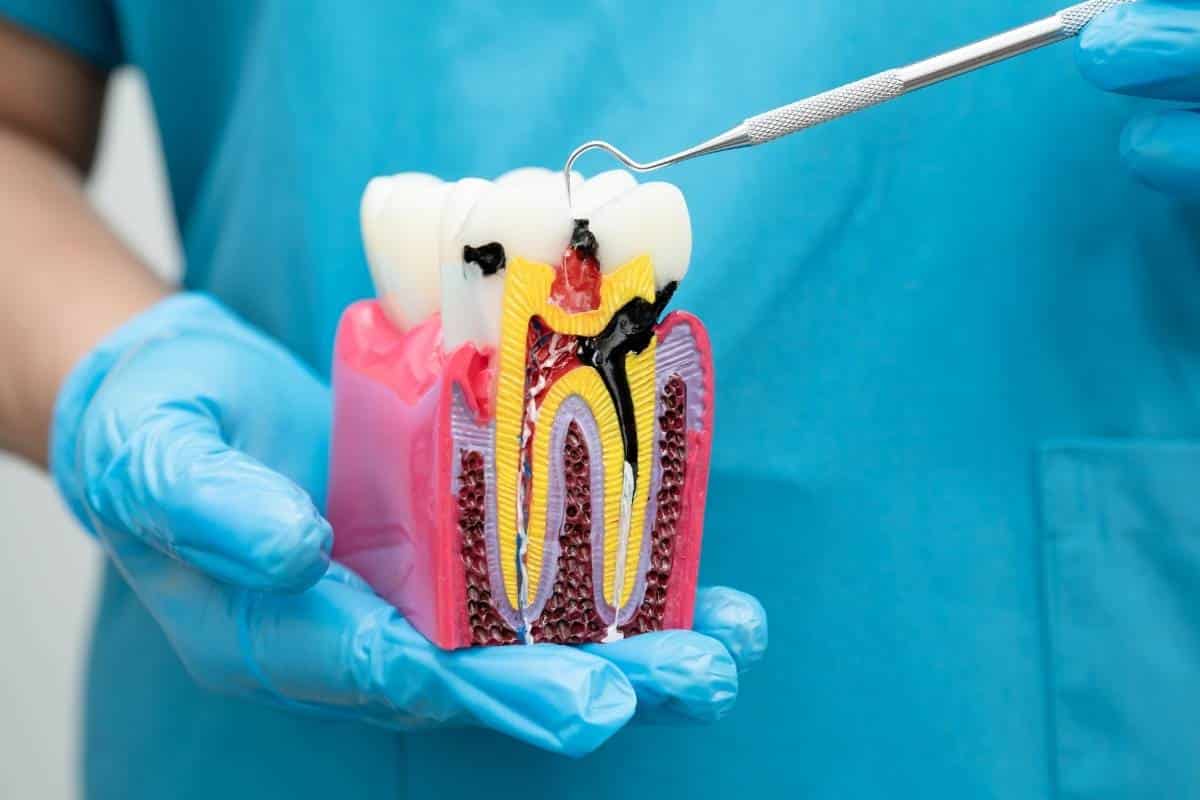
A root canal is a dental procedure designed to save a tooth that is severely decayed, infected, or damaged. During the dental treatment:
- The dentist removes the infected pulp from inside the tooth.
- The inner canals are cleaned, disinfected, and shaped.
- The canals are filled with a biocompatible material to prevent further infection.
- The tooth is restored with a crown or filling to protect its structure and function.
Root canal therapy addresses the source of infection while keeping the natural tooth in place. This means you retain the tooth’s root, which preserves jawbone integrity and prevents shifting of surrounding teeth.
Understanding Tooth Extraction
Tooth extraction involves removing the entire tooth from its socket in the jaw. Extractions are sometimes necessary when a tooth is beyond repair due to severe decay, fracture, or advanced infection. While removing the tooth eliminates the immediate problem, it also creates new challenges:
- Bone Loss: The jawbone naturally deteriorates in the area where a tooth is missing, which can affect facial structure over time.
- Shifting Teeth: Neighboring teeth may shift toward the gap, causing misalignment and bite issues.
- Need for Replacement: To restore function and appearance, an extracted tooth often requires a dental implant, bridge, or partial denture — adding cost and additional procedures.
Root Canal vs. Extraction: Key Differences
| Feature | Root Canal | Tooth Extraction |
|---|---|---|
| Preserves Natural Tooth | ✅ Yes | ❌ No |
| Maintains Jawbone Health | ✅ Yes | ❌ No |
| Stability for Surrounding Teeth | ✅ Yes | ❌ Teeth may shift |
| Number of Procedures | Usually 1-2 | Often 2+ if replaced with an implant or a bridge |
| Recovery Time | Short, minimal discomfort | Moderate, may require healing before replacement |
Benefits of Saving Your Natural Tooth
- Preserves Your Smile: Keeping your natural teeth maintains the look and function of your teeth without gaps.
- Maintains Jawbone Structure: The tooth root stimulates the jawbone, preventing bone loss that occurs after extraction.
- Supports Adjacent Teeth: Preserving your tooth prevents neighboring teeth from shifting, which can lead to bite problems or overcrowding.
- Cost-Effective: While root canals may seem expensive upfront, they often cost less than extraction followed by implants, bridges, or dentures.
- Long-Term Oral Health: Retaining natural teeth helps maintain overall oral function, including chewing efficiency and speech clarity.
When Extraction May Be Necessary
While saving a tooth is ideal, extractions are sometimes unavoidable. Situations where extraction may be the best choice include:
- Extensive tooth decay that compromises the tooth structure beyond repair
- Severe fractures or cracks that cannot be restored
- Advanced gum disease affects the tooth’s stability
- Infections that cannot be fully treated with root canal therapy
Even when extraction is necessary, modern replacement options such as dental implants can restore function and appearance effectively.
What to Consider Before Making a Decision
- Consult a Dentist: A thorough evaluation, including X-rays or 3D scans, helps determine whether a tooth can be saved.
- Understand the Procedure: Ask about the steps, recovery time, and potential complications of both root canal therapy and extraction.
- Consider Long-Term Effects: Think beyond immediate relief and consider how your decision will impact jaw health, adjacent teeth, and future dental needs.
- Evaluate Costs: Compare the overall cost of root canal therapy versus extraction plus replacement procedures over the long term.
Conclusion
Whenever possible, a root canal is the preferred treatment for preserving your natural tooth. It addresses infection, relieves pain, and allows you to maintain your smile, jaw health, and dental function. Extraction should be reserved for cases where the tooth cannot be restored safely.
Book an appointment today to consult with our experienced dental team. We’ll evaluate your tooth, discuss all treatment options, and help you make the best choice for a healthy, long-lasting smile.