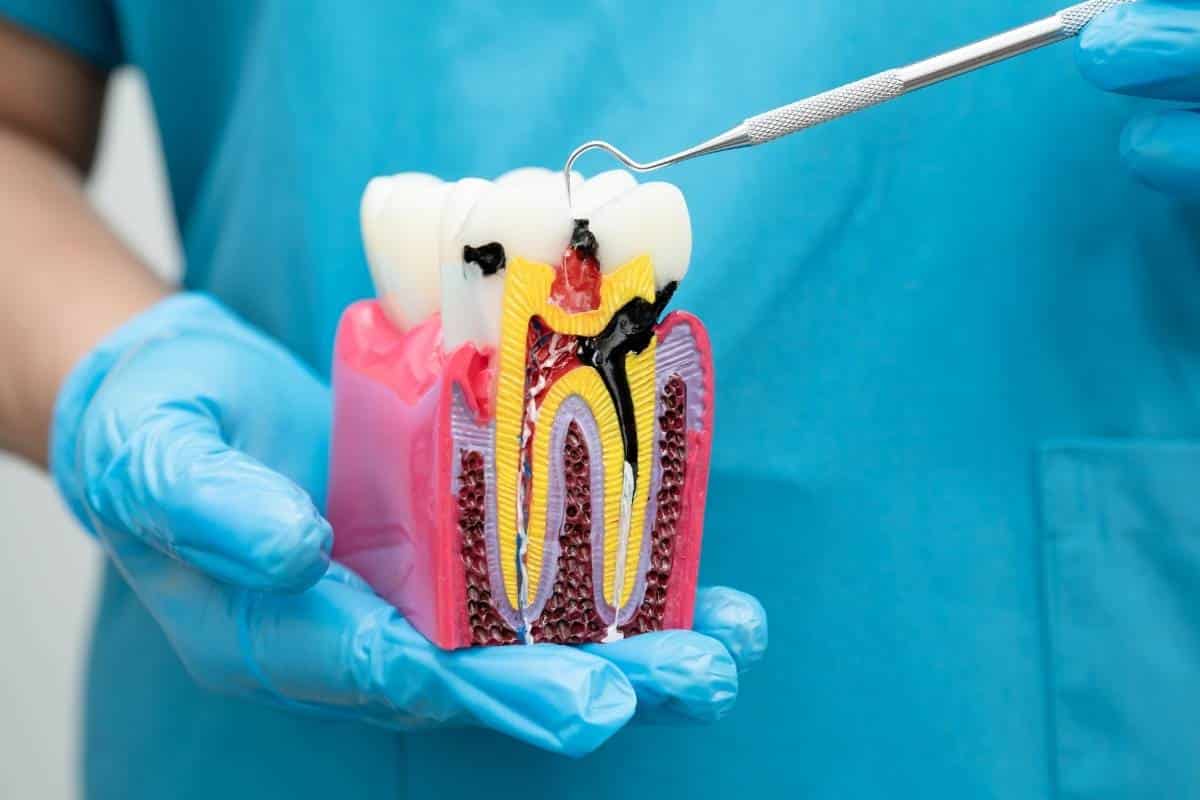


Understanding Gum Disease: From Plaque Buildup to Periodontitis
A healthy smile isn’t just about bright white teeth—it also depends on strong, disease-free gums. Unfortunately, gum disease (also known as periodontal disease) is one of the most common oral health issues affecting adults worldwide. What starts as simple plaque buildup can progress into a serious infection that threatens both your teeth and overall health. Understanding how gum disease develops and how to prevent it is key to maintaining a confident, long-lasting smile.
What Is Gum Disease?
Gum disease is an infection of the tissues that surround and support your teeth. It typically begins with plaque, a sticky film of bacteria that constantly forms on your teeth. When you eat or drink, especially foods high in sugar or starch, the bacteria in plaque produce acids that can irritate your gums. Without proper brushing and flossing, plaque can harden into tartar (calculus)—a substance that can only be removed by a dental professional.
This buildup of plaque and tartar allows bacteria to thrive along the gumline, leading to inflammation and infection. Over time, the disease progresses from gingivitis (the early stage) to periodontitis (the advanced stage).
Stage 1: Gingivitis – The Early Warning Sign
Gingivitis is the earliest stage of gum disease and is usually caused by poor oral hygiene. The good news? Gingivitis is reversible with proper care.
Common signs of gingivitis include:
- Red, swollen, or tender gums
- Bleeding when brushing or flossing
- Bad breath or a persistent bad taste
- Mild gum irritation or sensitivity
At this stage, the infection is limited to the gums and has not yet affected the bone that supports your teeth. A professional dental cleaning, combined with daily brushing, flossing, and antibacterial mouthwash, can often restore gum health completely.
Stage 2: Periodontitis – When Damage Becomes Serious
If gingivitis is left untreated, it can progress into periodontitis, a more severe and irreversible form of gum disease. In this stage, the inner layer of the gum and bone pulls away from the teeth, forming pockets that collect plaque and bacteria. As the infection worsens, toxins from bacterial plaque begin to break down the bone and connective tissue that hold your teeth in place.
Symptoms of periodontitis may include:
- Gums pulling away from teeth (receding gums)
- Deep pockets between teeth and gums
- Loose or shifting teeth
- Persistent bad breath
- Pain while chewing or brushing
If not treated promptly, periodontitis can lead to tooth loss and may even affect your overall health. Research has linked advanced gum disease to serious conditions such as heart disease, diabetes, and stroke.
What Causes Gum Disease?
While plaque is the main cause of gum disease, several other factors can increase your risk:
- Poor oral hygiene: Skipping regular brushing and flossing allows plaque to accumulate.
- Smoking or tobacco use: Tobacco significantly increases the risk and severity of gum disease.
- Hormonal changes: Pregnancy, menopause, and menstruation can make gums more sensitive.
- Chronic illnesses: Diabetes and autoimmune conditions can impair gum health.
- Medications: Some drugs cause dry mouth or affect gum tissue health.
- Genetics: Some individuals are naturally more prone to periodontal disease.
How Dentists Treat Gum Disease
Treatment depends on how advanced the gum disease is. In the early stages, non-surgical treatments are often enough to restore gum health.
1. Professional Cleaning (Prophylaxis):
During a routine dental visit, plaque and tartar are carefully removed from your teeth and along the gumline.
2. Scaling and Root Planing:
For more advanced cases, a deep-cleaning procedure called scaling and root planing may be necessary. Scaling removes plaque and tartar from below the gumline, while root planing smooths the tooth roots to help the gums reattach.
3. Surgical Treatments:
If deep pockets or bone loss are present, surgical procedures such as flap surgery, bone grafts, or tissue regeneration may be required to restore the support around the teeth.
Your dentist or periodontist will evaluate your gums and create a personalized treatment plan to help stop disease progression and protect your smile.
Preventing Gum Disease
The best defense against gum disease is consistent prevention. Follow these simple but effective habits to keep your gums healthy:
- Brush at least twice a day using fluoride toothpaste.
- Floss daily to remove plaque between teeth.
- Schedule professional cleanings every six months.
- Avoid smoking or using tobacco products.
- Eat a balanced diet rich in vitamins and minerals.
- Use an antibacterial mouth rinse if recommended by your dentist.
Healthy Gums, Healthy Smile
Gum disease may start silently, but its effects can be long-lasting if ignored. With proper oral hygiene and regular dental visits, you can protect your gums, preserve your teeth, and maintain a confident, healthy smile for years to come.
If you’ve noticed bleeding gums, bad breath, or other signs of gum disease, don’t wait until it’s too late. Schedule a consultation with our experienced dental team today. We’ll evaluate your gum health, provide personalized treatment options, and help you restore your oral wellness. Book an appointment now and take the first step toward a healthier, brighter smile!