
Preventing Pulp Infection: How Regular Dental Checkups Can Avoid Root Canals
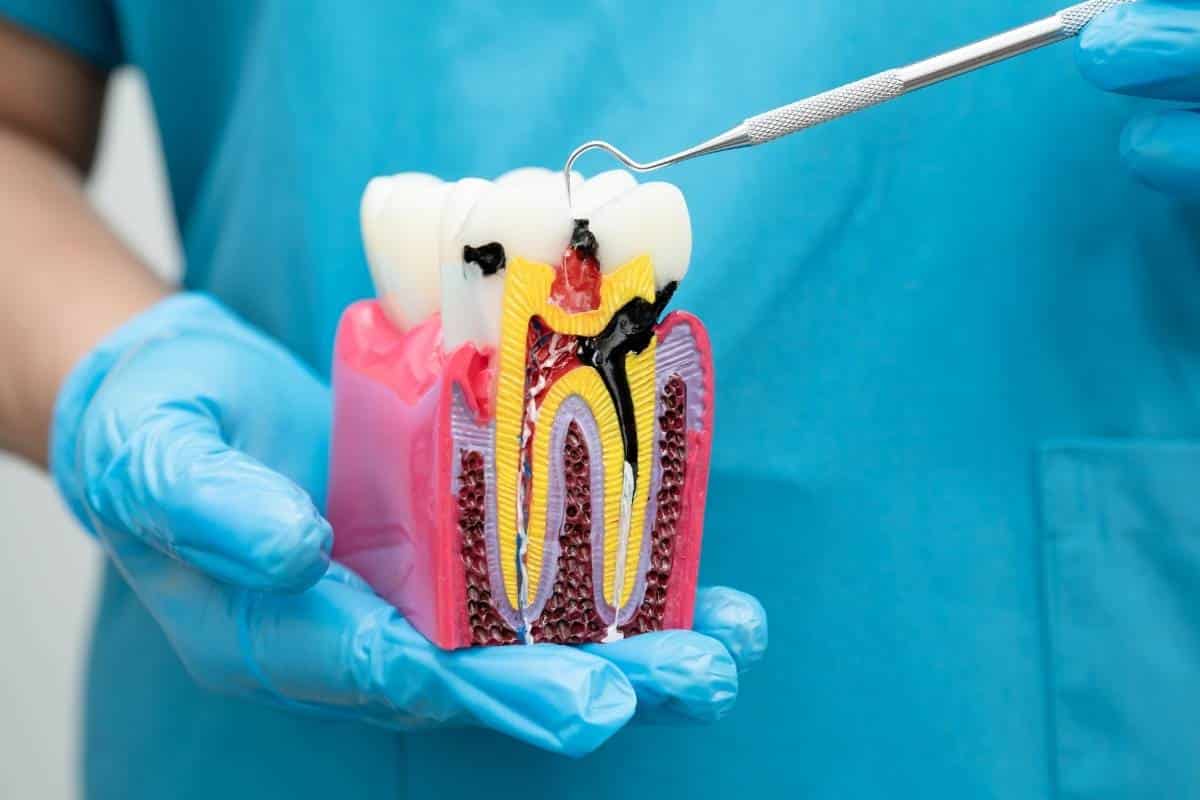
Dental health is more than just having a bright smile—it’s about protecting the inner structures of your teeth, including the dental pulp. The pulp is the soft tissue inside your teeth that contains nerves, blood vessels, and connective tissue. When this delicate tissue becomes infected, it can lead to severe pain and, ultimately, the need for a root canal. Fortunately, with proactive dental care, pulp infections are highly preventable.
Understanding Pulp Infection
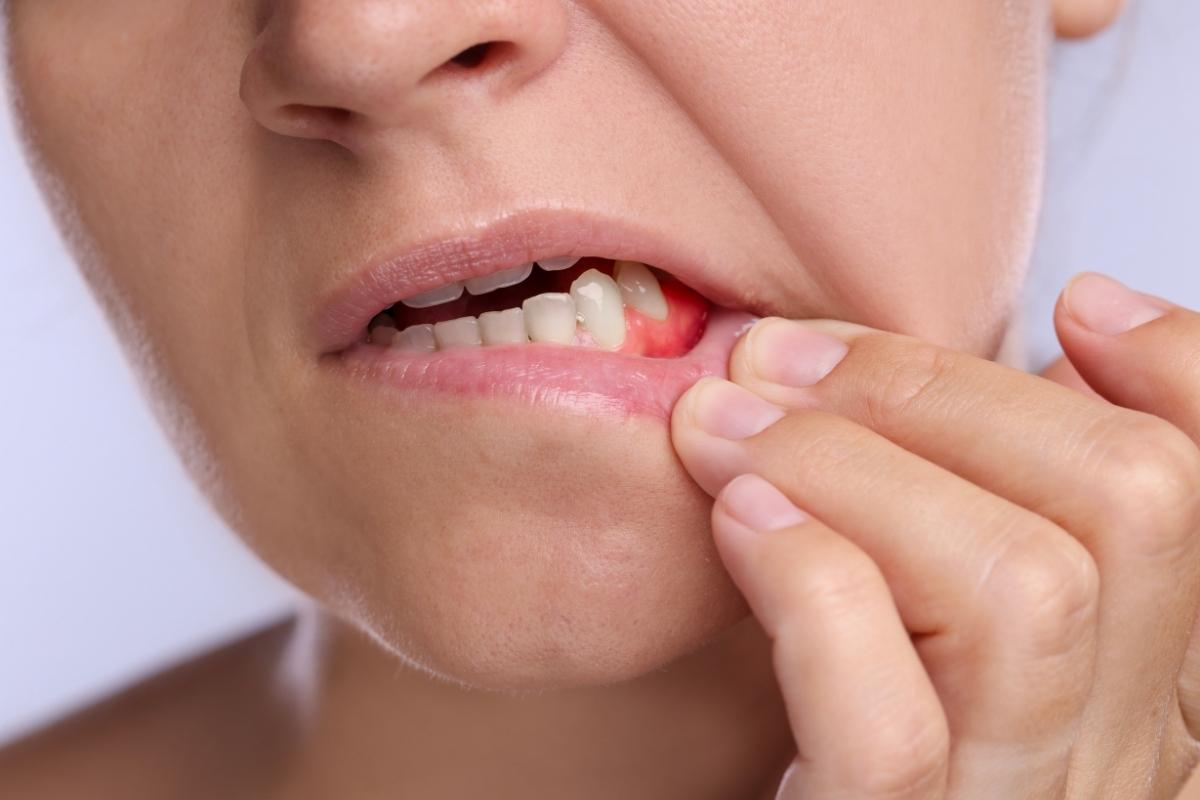
Pulp infections typically occur when bacteria penetrate the tooth through cavities, cracks, or trauma. Once the bacteria reach the pulp, they can cause inflammation, severe pain, and, if untreated, abscess formation. Ignoring early signs of infection can escalate the problem, making root canal treatment inevitable. Symptoms of pulp infection include:
- Persistent toothache or sensitivity
- Pain when biting or chewing
- Swelling or tenderness in the gums near the affected tooth
- Darkening or discoloration of the tooth
Early detection is key to preventing these issues and maintaining overall dental health.
The Role of Regular Dental Checkups
Routine dental checkups are the most effective way to prevent pulp infections. Dentists use thorough examinations and diagnostic tools such as X-rays to detect cavities, cracks, or early signs of pulp inflammation before they develop into severe problems. Regular checkups allow your dentist to:
- Identify Early Decay: Cavities are the most common cause of pulp infection. Early treatment prevents bacteria from reaching the pulp.
- Monitor Tooth Integrity: Cracks or fractures can harbor bacteria, leading to infection. Preventive care helps identify and treat these issues promptly.
- Maintain Gum Health: Healthy gums protect the tooth root and pulp from bacterial invasion. Regular cleanings reduce plaque buildup and gum disease.
- Provide Preventive Treatments: Fluoride applications, sealants, and minimally invasive fillings can stop decay before it progresses to the pulp.
By attending regular checkups, you significantly reduce your risk of requiring invasive procedures like root canal therapy.
When Root Canal Treatment Becomes Necessary
Despite preventive efforts, pulp infections sometimes occur due to untreated cavities, trauma, or deep decay. In these cases, root canal treatment is often the best solution. Root canal therapy involves removing the infected pulp, cleaning and disinfecting the interior of the tooth, and sealing it to prevent further infection. Modern techniques ensure the procedure is comfortable, effective, and preserves your natural tooth.
While root canal therapy is highly successful, avoiding pulp infections altogether is always preferable. Prevention not only saves time and money but also protects the natural strength and structure of your teeth.
Tips to Protect Your Dental Pulp
In addition to regular dental visits, you can take everyday measures to prevent pulp infections:
- Practice Excellent Oral Hygiene: Brush twice daily with fluoride toothpaste and floss daily.
- Maintain a Healthy Diet: Limit sugary foods and drinks, which contribute to cavities.
- Wear Protective Gear: Use mouthguards during sports to prevent tooth trauma.
- Address Dental Issues Promptly: Don’t ignore sensitivity, pain, or cracks—early treatment can prevent infection.
Schedule Your Preventive Dental Checkup
Protecting your dental pulp and overall oral health starts with regular professional care. If you want to prevent pulp infections and reduce the likelihood of needing a root canal, schedule a dental checkup today. Our office is conveniently located at 1050 SW Grandview Ave, Grants Pass, OR 97527.
Book an appointment now and take the first step toward a healthier, pain-free smile.
FAQs
1. How often should I visit the dentist to prevent pulp infection?
It is recommended to visit your dentist at least every six months for routine checkups and cleanings. Your dentist may suggest more frequent visits if you have a history of cavities or gum disease.
2. Can pulp infection be reversed without a root canal?
If detected very early, some minor pulp inflammation may be managed with preventive treatments like fillings. However, once the pulp is infected, a root canal is usually necessary.
3. Are root canals painful?
Modern root canal techniques use local anesthesia and advanced equipment, making the procedure relatively painless. Most patients report relief from tooth pain immediately after treatment.