

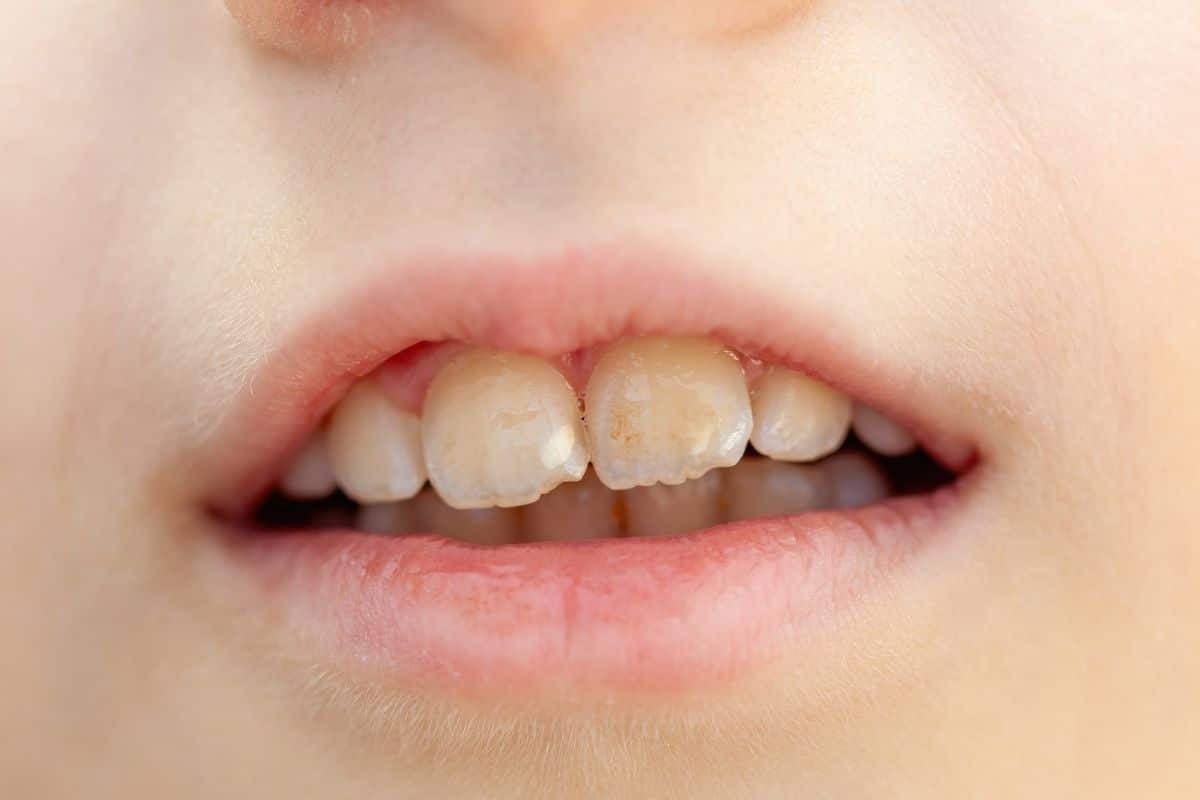
Why Do I Have White Spots on My Teeth? Causes and Treatment Options Explained
White spots on teeth are a common cosmetic concern that can make your smile look uneven or chalky. While these spots may not always cause pain or sensitivity, they can be a sign of underlying dental issues that require attention. Understanding why they appear and the treatment options available can help you restore both the health and appearance of your teeth.
In this article, we’ll explore the main causes of white spots on teeth and outline effective treatments. If you’re seeking professional advice, visiting a dental office in Grants Pass can help you determine the best approach for your specific situation.
Common Causes of White Spots on Teeth
White spots on teeth can develop for several reasons, ranging from minor cosmetic issues to early signs of decay. Here are the most common causes:
1. Fluorosis
Dental fluorosis occurs when teeth are exposed to excessive fluoride during enamel formation, typically in childhood. Mild fluorosis often appears as small white streaks or spots. Severe cases can lead to enamel discoloration and, occasionally, pitting of the teeth.
2. Enamel Hypoplasia
Enamel hypoplasia is a developmental condition where the enamel doesn’t form properly, leaving teeth more susceptible to discoloration, sensitivity, and decay. This can be caused by nutritional deficiencies, illness, or trauma during tooth development.
3. Poor Oral Hygiene
Plaque buildup can lead to demineralization of the enamel, resulting in chalky white spots. People who brush and floss irregularly, or fail to remove plaque effectively, are more likely to develop these spots.
4. Diet and Acidic Foods
Frequent consumption of sugary or acidic foods and drinks can erode tooth enamel, leading to demineralization and white spots. Acidic beverages like soda, citrus juice, and sports drinks are common culprits.
5. Orthodontic Treatment
Braces can make it challenging to maintain proper oral hygiene. White spots may develop around brackets due to plaque accumulation if teeth are not thoroughly cleaned during treatment.
Treatment Options for White Spots on Teeth
Once white spots are identified, there are several effective treatment options depending on the cause, severity, and your personal goals.
1. Professional Fluoride Treatments
If white spots are caused by early enamel demineralization, your dentist may recommend fluoride varnishes or gels. These treatments strengthen enamel and may reduce the visibility of white spots over time.
2. Microabrasion
Microabrasion involves gently removing a thin layer of enamel to reduce or eliminate white spots. It is a minimally invasive procedure often combined with polishing or fluoride treatment for optimal results.
3. Resin Infiltration (Icon Treatment)
Resin infiltration is a popular modern treatment for white spots caused by demineralization or mild fluorosis. The resin penetrates the enamel and blends the white spots with the surrounding tooth structure, providing immediate aesthetic improvement.
4. Dental Veneers or Bonding
For more severe or persistent white spots, cosmetic solutions like dental bonding or porcelain veneers can mask discoloration while protecting the tooth. These treatments are ideal for patients seeking a uniform, bright smile.
5. Improved Oral Hygiene
Maintaining proper oral hygiene can prevent new white spots from forming. Brushing twice daily with fluoride toothpaste, flossing, and using an antibacterial mouthwash are essential for enamel health.
6. Diet Modification
Reducing the intake of acidic and sugary foods and drinks can help minimize enamel erosion. Drinking plenty of water and rinsing your mouth after consuming acidic beverages can also protect your teeth.
Preventing White Spots on Teeth
Prevention is key to avoiding white spots. Regular dental checkups, professional cleanings, and consistent home care play a critical role. For children, monitoring fluoride exposure and educating them about healthy dietary habits can reduce the risk of fluorosis and enamel defects. For adults, addressing plaque buildup and acid exposure promptly can help maintain an even, healthy enamel surface.
When to See a Dentist
White spots on teeth are not always dangerous, but persistent or severe spots should be evaluated by a dental professional. Early detection allows for minimally invasive treatments and prevents potential complications like cavities, enamel weakening, or more extensive cosmetic issues.
Restore Your Smile Today
If you’re concerned about white spots on your teeth, don’t wait to get professional care. Your dentist can help identify the cause and recommend the best treatment for your smile. Schedule an appointment today at 1050 SW Grandview Ave, Grants Pass, OR 97527, and take the first step toward a healthier, brighter smile.
FAQs
1. Can white spots on teeth go away on their own?
Mild white spots caused by early demineralization or temporary enamel changes may improve with proper oral hygiene and fluoride treatments, but persistent spots usually require professional care.
2. Are white spots harmful to my teeth?
White spots themselves are usually harmless, but they can indicate enamel weakness or early decay. Untreated, they may increase the risk of cavities or enamel damage.
3. Is it safe to treat white spots at home?
Home remedies, such as whitening toothpaste, may not fully remove white spots and could sometimes worsen enamel damage. Professional treatments like resin infiltration or microabrasion are safer and more effective.