
Effective Gum Disease Treatment Options: What You Should Know
If your gums bleed when you brush or floss, feel swollen, or seem to be pulling away from your teeth, you could be dealing with gum disease. Also known as periodontal disease, this common condition affects millions of Americans and can lead to serious oral health problems if left untreated. Fortunately, our modern dental office offers highly effective gum disease treatment options to restore your oral health and protect your smile.
If you’re in Grants Pass, Oregon, understanding your treatment choices can help you act quickly and confidently.
What Is Gum Disease?
Gum disease is a bacterial infection of the gums and supporting structures of the teeth. It typically develops in stages:
1. Gingivitis
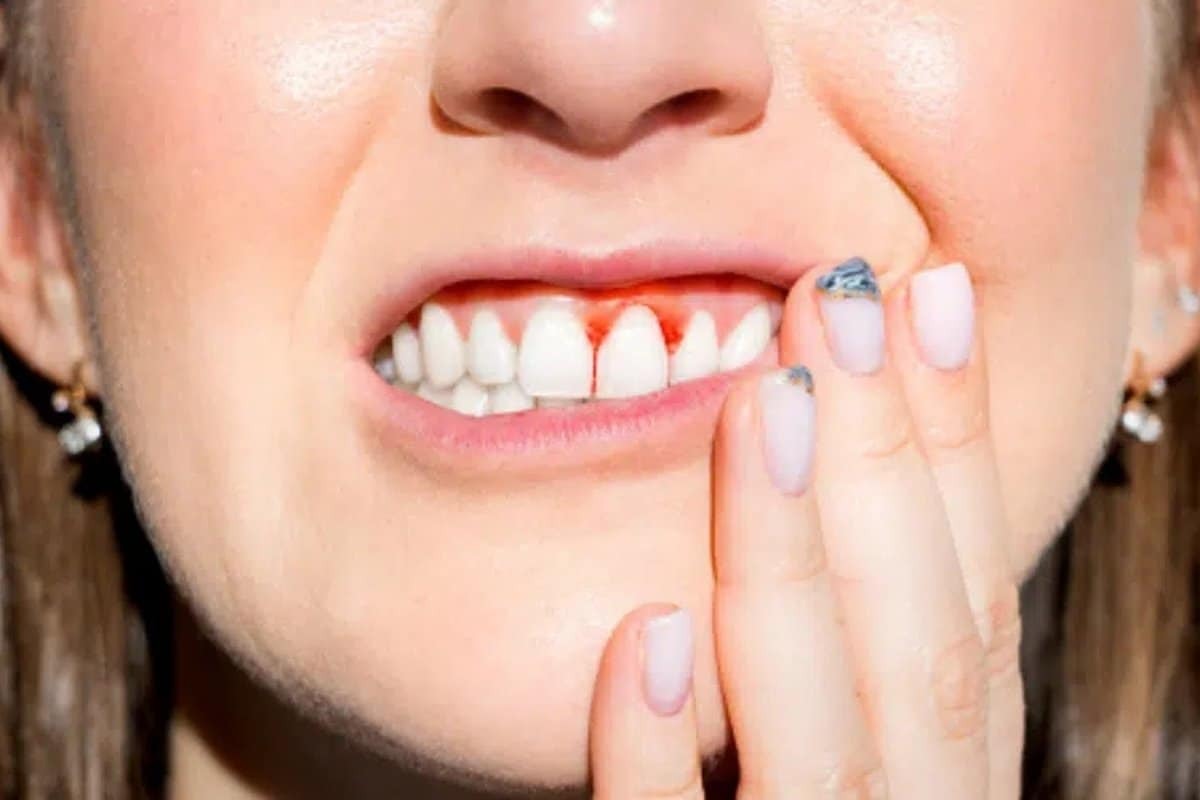
This is the earliest stage. Gums may appear red and swollen and bleed easily. The good news? Gingivitis is reversible with professional care and improved oral hygiene.
2. Periodontitis
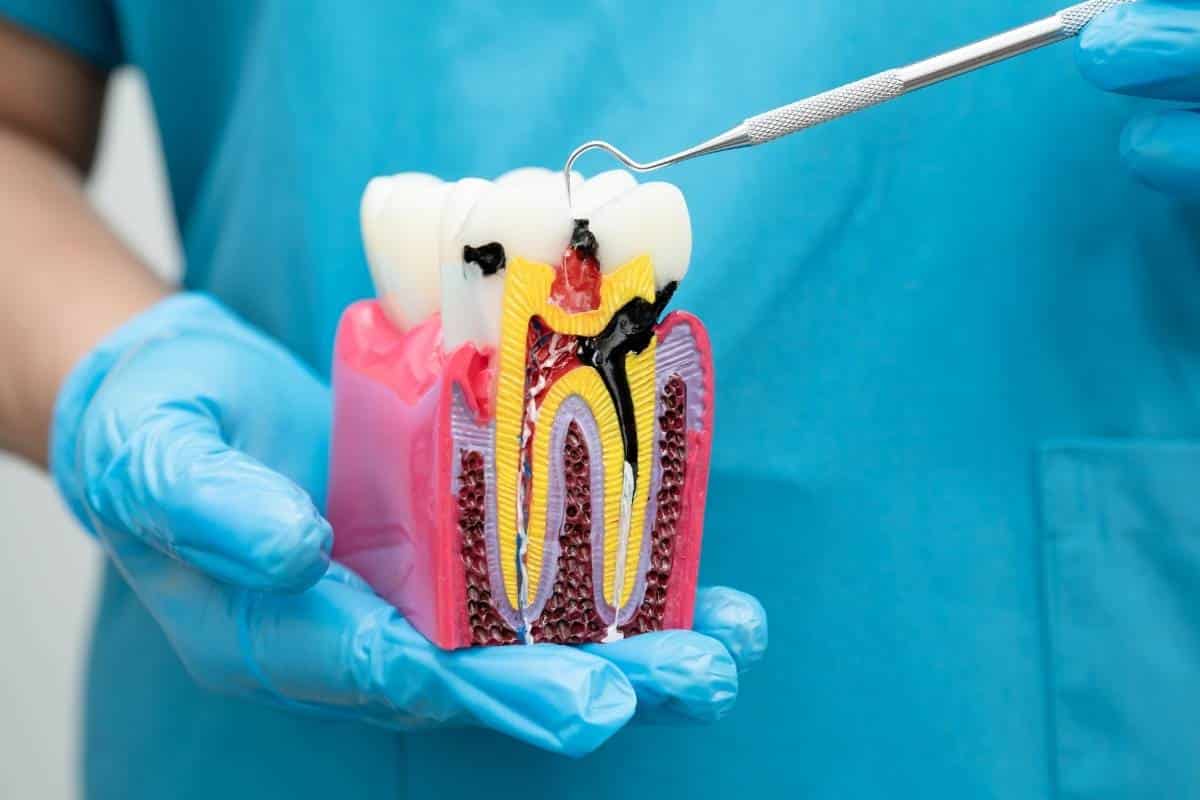
If left untreated, gingivitis can progress to periodontitis. At this stage, the infection spreads below the gumline, damaging soft tissue and bone. You may notice gum recession, loose teeth, bad breath, or even tooth loss.
Early detection and treatment are key to preventing long-term complications.
Common Signs You May Need Gum Disease Treatment
- Bleeding when brushing or flossing
- Persistent bad breath
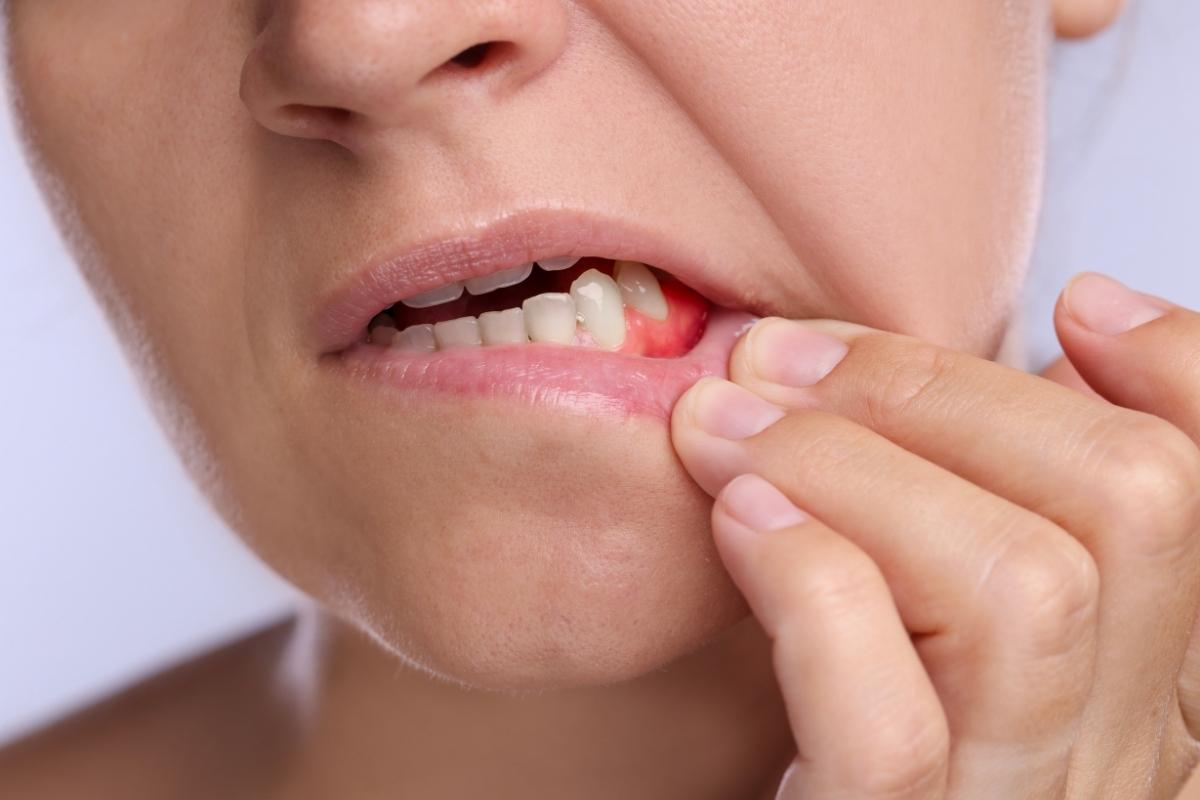
- Swollen, tender, or red gums
- Receding gums
- Loose or shifting teeth
- Pain when chewing
If you notice any of these symptoms, scheduling a dental evaluation is critical. Prompt treatment can save your natural teeth and prevent costly procedures later.
Effective Gum Disease Treatment Options
Treatment depends on the severity of your condition. Here’s what you should know about the most effective options available:
1. Professional Dental Cleaning
For mild gingivitis, a thorough professional cleaning may be enough. Your dental team removes plaque and tartar buildup that brushing and flossing alone can’t eliminate. Combined with improved at-home care, this can reverse early gum disease.
2. Scaling and Root Planing (Deep Cleaning)
Scaling and root planing is one of the most common non-surgical gum disease treatments. This deep cleaning procedure involves:
- Scaling: Removing plaque and tartar from above and below the gumline
- Root Planing: Smoothing the tooth roots to help the gums reattach and prevent bacteria buildup
This treatment helps reduce inflammation, eliminate infection, and promote healing. In many cases, it prevents the need for surgery.
3. Antibiotic Therapy
Sometimes, your dentist may recommend localized or oral antibiotics to eliminate harmful bacteria. Antibiotics are often used in combination with scaling and root planing to enhance treatment effectiveness.
Options may include:
- Antibacterial mouth rinses
- Topical antibiotic gels are placed in gum pockets
- Oral antibiotics for advanced infections
4. Laser Gum Therapy
Laser periodontal therapy is a modern, minimally invasive alternative to traditional gum surgery. A dental laser targets infected tissue while preserving healthy gum tissue.
Benefits include:
- Less discomfort
- Reduced bleeding
- Faster healing
- Minimal downtime
Many patients appreciate the precision and comfort of laser treatment for moderate to advanced gum disease.
5. Surgical Treatment Options
For advanced periodontitis, surgical procedures may be necessary to restore gum and bone health.
Flap Surgery (Pocket Reduction Surgery)
This procedure involves lifting the gums to remove deep tartar deposits and then repositioning them to reduce pocket depth.
Bone Grafting
If bone loss has occurred, bone grafting may be recommended to rebuild the supporting structures around teeth.
Gum Grafting
For significant gum recession, a gum graft can restore tissue and protect exposed tooth roots.
While surgical options may sound intimidating, they are highly effective at preserving your smile and preventing tooth loss.
Why Early Treatment Matters
Untreated gum disease doesn’t just affect your mouth—it can impact your overall health. Research links periodontal disease to conditions such as:
- Heart disease
- Diabetes complications
- Respiratory issues
- Pregnancy complications
By addressing gum disease early, you’re protecting both your oral health and your general well-being.
How to Prevent Gum Disease from Returning
After treatment, maintaining results is essential. Our dentist may recommend:
- Brushing twice daily with fluoride toothpaste
- Flossing daily
- Using an antimicrobial mouthwash
- Scheduling regular periodontal maintenance visits
- Avoiding tobacco products
Consistent care significantly reduces the risk of recurrence.
Choosing the Right Gum Disease Treatment in Grants Pass
Every patient’s needs are unique. A comprehensive periodontal evaluation allows your dentist to assess gum pocket depth, bone health, and infection severity before recommending the most appropriate treatment plan.
If you live in Grants Pass, seeking local, professional periodontal care ensures you receive personalized treatment tailored to your condition. Modern dental technology and advanced techniques make gum disease treatment more comfortable and effective than ever before.
Delaying care can lead to tooth loss, bone damage, and more complex procedures down the road. Taking action today can save your smile—and your investment in your oral health.
Take the First Step Toward Healthier Gums
Gum disease is common, but it’s also highly treatable—especially when caught early. Whether you need a routine cleaning, deep scaling and root planing, laser therapy, or advanced periodontal surgery, professional treatment can restore your gum health and confidence.
If you’re experiencing bleeding gums, persistent bad breath, or signs of gum recession, don’t ignore them. Early intervention can prevent long-term complications and help you maintain a strong, healthy smile for years to come. Book your appointment today and visit our dental office at 1050 SW Grandview Ave, Grants Pass, OR 97527.
FAQs
1. Is gum disease treatment painful?
Most non-surgical treatments, such as scaling and root planing, are performed with local anesthesia to ensure comfort. Mild soreness may occur afterward, but it typically resolves within a few days.
2. Can gum disease be completely cured?
Gingivitis can be fully reversed with proper treatment and oral hygiene. Advanced periodontitis can be managed and controlled, but may require ongoing periodontal maintenance to prevent recurrence.
3. How long does it take for gums to heal after treatment?
Healing time varies depending on the severity of the condition and the type of treatment performed. Mild cases may improve within a few weeks, while surgical procedures may require several weeks for full recovery.