
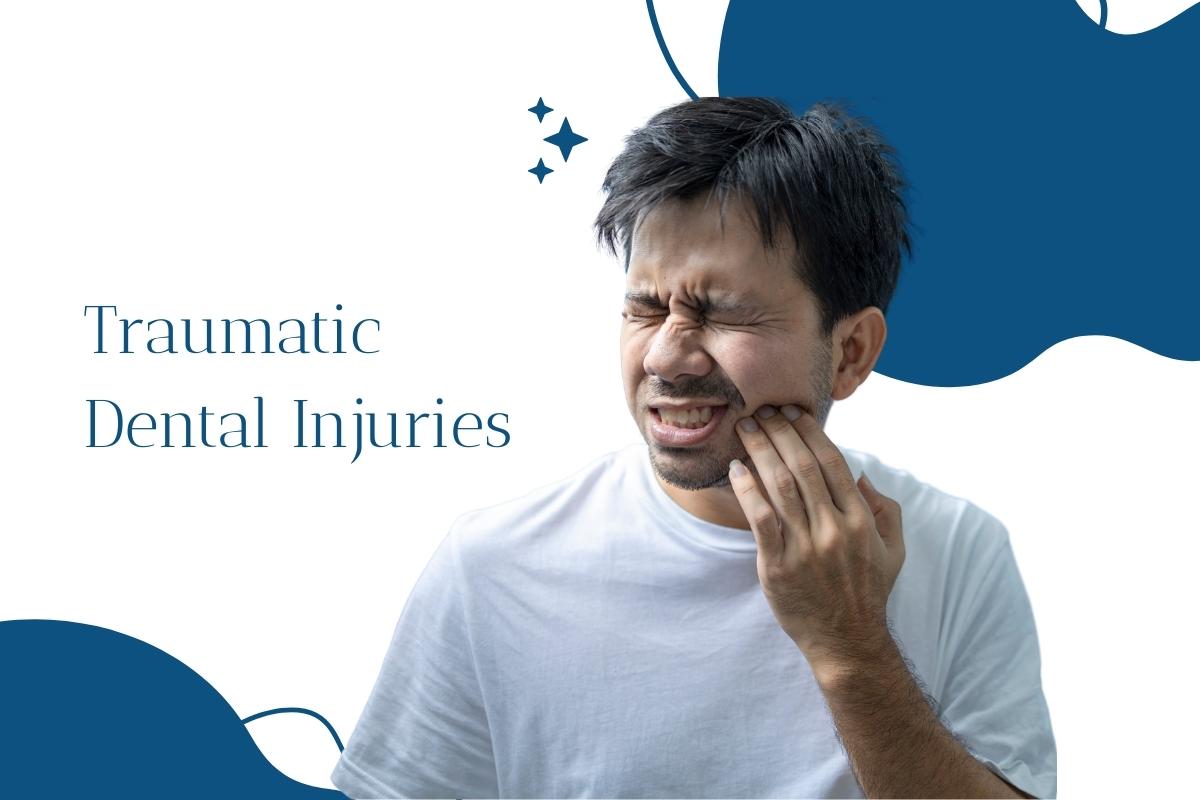
Traumatic Dental Injuries (TDIs): What to Do When a Sudden Impact Damages Your Teeth
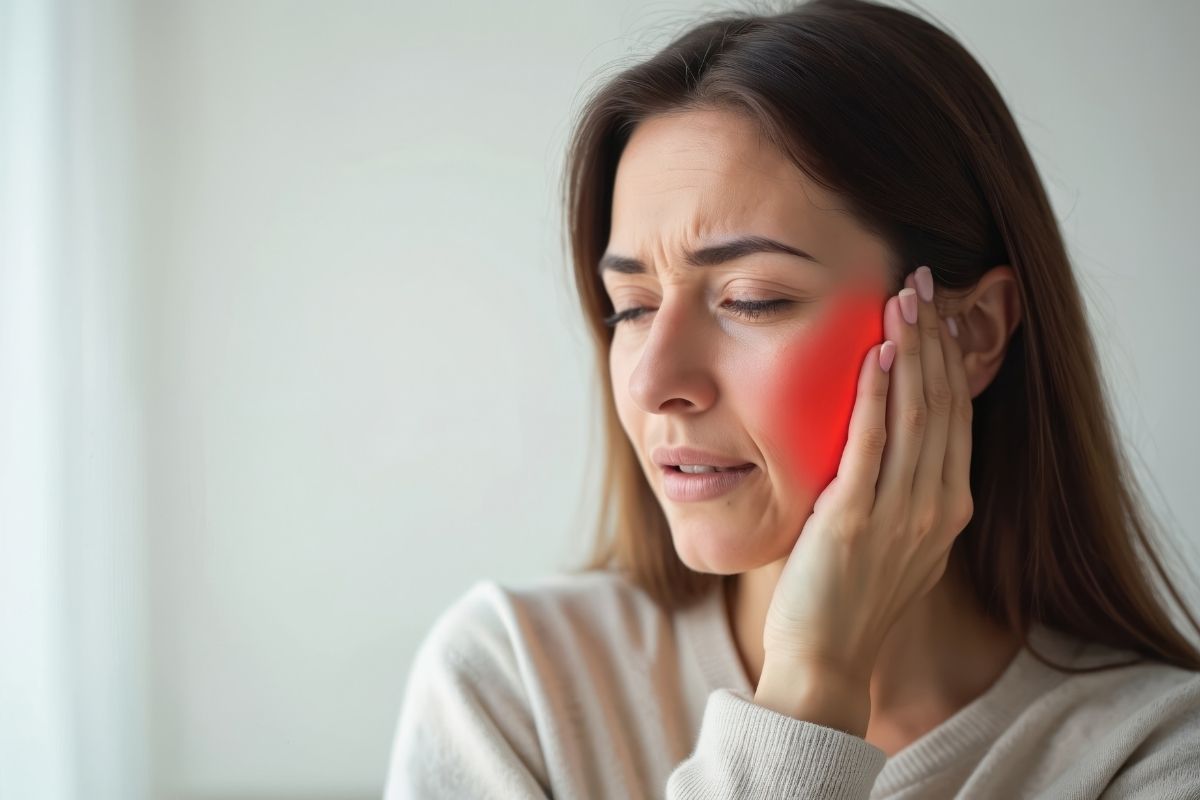
Accidents can happen in an instant. A fall at the playground, a sports collision, a car accident, or even biting down on something unexpectedly hard can result in traumatic dental injuries (TDIs). When your tooth is chipped, cracked, loosened, or knocked out, acting quickly can mean the difference between saving and losing your smile.
If you live in Grants Pass, OR, knowing what to do in the first few minutes after a dental injury can protect your oral health and prevent long-term complications. Here’s what you need to know about traumatic dental injuries and how to respond effectively.
What Are Traumatic Dental Injuries?
Traumatic dental injuries refer to damage to the teeth, gums, lips, or jaw caused by a sudden external force. These injuries range from minor enamel chips to severe cases involving tooth displacement or complete tooth loss.
Common causes include:
- Sports-related injuries (football, basketball, baseball, skateboarding)
- Falls at home or outdoors
- Car or bike accidents
- Physical altercations
- Chewing hard objects
Children and teens are especially at risk due to active lifestyles, but adults can experience TDIs as well.
Types of Traumatic Dental Injuries
Understanding the type of injury helps determine the right response.
1. Chipped or Fractured Tooth
Minor chips may only affect the enamel, while more serious fractures can expose the dentin or pulp. Symptoms may include sharp edges, pain, or sensitivity.
2. Cracked Tooth
A cracked tooth may not always be visible. You might feel pain when chewing or sensitivity to temperature changes.
3. Luxated (Loosened or Displaced) Tooth
A tooth that has been pushed out of position—either inward, outward, or sideways—requires urgent care.
4. Avulsed (Knocked-Out) Tooth
A completely knocked-out permanent tooth is a true dental emergency. Immediate action can potentially save the tooth.
5. Soft Tissue Injuries
Cuts to the lips, cheeks, or tongue often accompany dental trauma and may require stitches.
What to Do Immediately After a Dental Injury
Taking the right steps immediately after the injury significantly increases the chances of a successful outcome.
If a Tooth Is Knocked Out:
- Pick up the tooth by the crown (the chewing surface), not the root.
- Gently rinse it with water if dirty—do not scrub or remove attached tissue.
- Try to place the tooth back into its socket if possible.
- If reinsertion isn’t possible, store the tooth in milk or saliva.
- Seek emergency dental care immediately—ideally within 30–60 minutes.
Time is critical. The sooner you reach a dental professional in Grants Pass, the better the chances of saving the tooth.
If a Tooth Is Chipped or Broken:
- Rinse your mouth with warm water.
- Apply a cold compress to reduce swelling.
- Save any broken pieces if possible.
- Avoid chewing on that side of your mouth.
- Call your dentist right away for evaluation.
Even small chips can worsen without proper treatment.
If a Tooth Is Loose or Displaced:
- Avoid touching or wiggling the tooth.
- Apply gentle pressure to reposition it if advised.
- Seek urgent dental care.
If There Is Bleeding:
- Apply gentle pressure with clean gauze.
- Use a cold compress on the outside of the mouth.
- If bleeding doesn’t stop within 10 minutes, seek immediate care.
Why Prompt Treatment Matters
Ignoring a traumatic dental injury can lead to serious complications, including:
- Infection
- Nerve damage
- Tooth discoloration
- Abscess formation
- Bone loss
- Permanent tooth loss
Even if the damage appears minor, an internal fracture or pulp injury may not be immediately visible. An examination and dental X-rays are often necessary to determine the full extent of the injury.
Residents of Grants Pass should not wait to see if the pain “goes away.” Early intervention protects your long-term oral health and can save you money on extensive restorative treatments later.
Treatment Options for Traumatic Dental Injuries
The right treatment depends on the severity of the injury.
Dental Bonding
For small chips and cracks, tooth-colored bonding can restore the tooth’s appearance and function.
Dental Crowns
A crown may be necessary for larger fractures to strengthen and protect the remaining tooth structure.
Root Canal Therapy
If the pulp is damaged, root canal treatment removes infected tissue and preserves the tooth.
Splinting
Loose or displaced teeth may be stabilized using a dental splint for several weeks.
Tooth Reimplantation
In cases of avulsion, your dentist may attempt to reinsert and stabilize the tooth.
Tooth Replacement
If the tooth cannot be saved, options may include dental implants, bridges, or partial dentures.
Preventing Traumatic Dental Injuries
While accidents aren’t always avoidable, preventive steps can significantly reduce risk:
- Wear a custom mouthguard during sports
- Use seatbelts in vehicles
- Childproof your home
- Avoid chewing ice or hard candies
- Address bite issues that may weaken teeth
For active families in Grants Pass, investing in a professionally fitted sports mouthguard is one of the best ways to prevent dental trauma.
When to See a Dentist
You should contact a dentist immediately if you experience:
- Severe tooth pain
- A knocked-out or displaced tooth
- Swelling in the gums or face
- Bleeding that doesn’t stop
- Visible cracks or fractures
Even if the injury seems minor, a prompt dental evaluation ensures no hidden damage is overlooked.
FAQs
1. Can a knocked-out permanent tooth really be saved?
Yes, if treated quickly—ideally within 30 to 60 minutes—a knocked-out permanent tooth can often be successfully reimplanted.
2. What if my child’s baby tooth is knocked out?
Do not attempt to reinsert a baby tooth. Contact a dentist for evaluation to ensure there’s no damage to the developing permanent tooth.
3. How long does it take to recover from a dental injury?
Recovery depends on the severity of the injury. Minor chips may heal quickly with bonding, while more serious trauma may require weeks of monitoring and treatment.
Protect Your Smile in Grants Pass, OR
A sudden dental injury can be frightening, but knowing how to respond gives you control in a stressful moment. Acting quickly improves outcomes and may save your natural tooth. Whether you’ve experienced a chipped tooth from a fall or a sports-related injury, prompt care makes all the difference.
If you or a loved one experiences a traumatic dental injury, don’t delay care. Book your appointment today, and visit our dental office at 1050 SW Grandview Ave, Grants Pass, OR 97527.