
How to Whiten Teeth Without Sensitivity: A Complete Guide to a Brighter, Pain-Free Smile
A bright, white smile can boost your confidence and make a lasting impression. But for many people, the idea of teeth whitening comes with a major concern: tooth sensitivity. That sharp, uncomfortable sensation after whitening treatments can discourage patients from pursuing the smile they want.
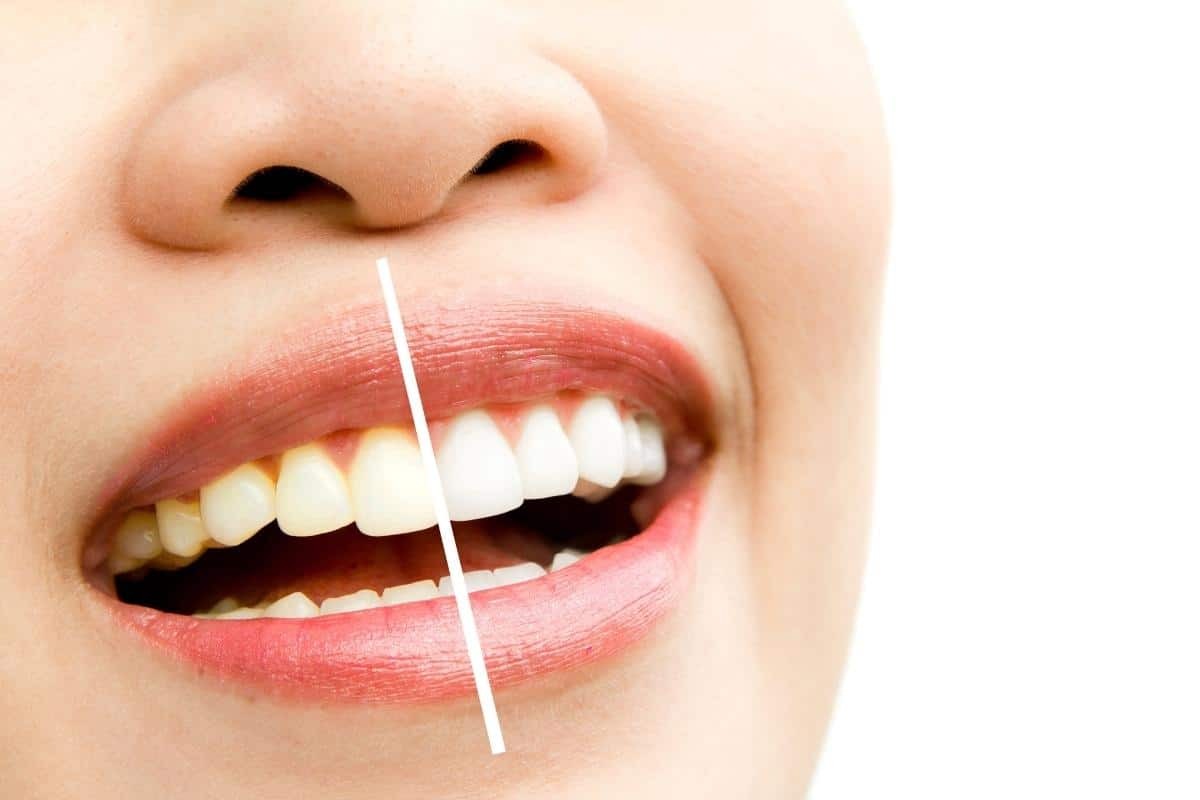
The good news? You can whiten your teeth effectively without sensitivity—with the right approach, products, and professional guidance. At Pastrell, Buchanan, and Hartzell General Dentistry, we help patients achieve noticeably whiter smiles while protecting enamel and minimizing discomfort.
In this guide, we’ll walk you through why sensitivity happens, how to prevent it, and the safest ways to whiten your teeth comfortably.
Why Do Teeth Become Sensitive During Whitening?
To understand how to avoid sensitivity, it helps to know why it happens in the first place.
Teeth whitening products typically use hydrogen peroxide or carbamide peroxide to break down stains. These ingredients penetrate the enamel and reach the dentin layer, where microscopic tubules connect to nerve endings. When exposed, these nerves can react to temperature changes, air, or pressure—causing sensitivity.
Common Causes of Whitening Sensitivity:
- High-concentration whitening agents
- Overuse of whitening products
- Existing enamel erosion
- Gum recession exposing tooth roots
- Cavities or untreated dental issues
Sensitivity is often temporary—but it can be avoided or minimized with proper care.
Who Is More Prone to Whitening Sensitivity?
Some people are naturally more sensitive than others. You may be at higher risk if you:
- Already experience tooth sensitivity
- Have thin or worn enamel
- Have gum recession
- Frequently consume acidic foods or drinks
- Grind your teeth (bruxism)
- Use whitening products too often
If any of these apply, a customized whitening plan is especially important.
Safe Ways to Whiten Teeth Without Sensitivity
1. Choose Professional Whitening Over DIY Kits
Over-the-counter whitening kits may seem convenient, but they often contain one-size-fits-all trays and inconsistent peroxide levels. This can lead to uneven whitening and increased sensitivity.
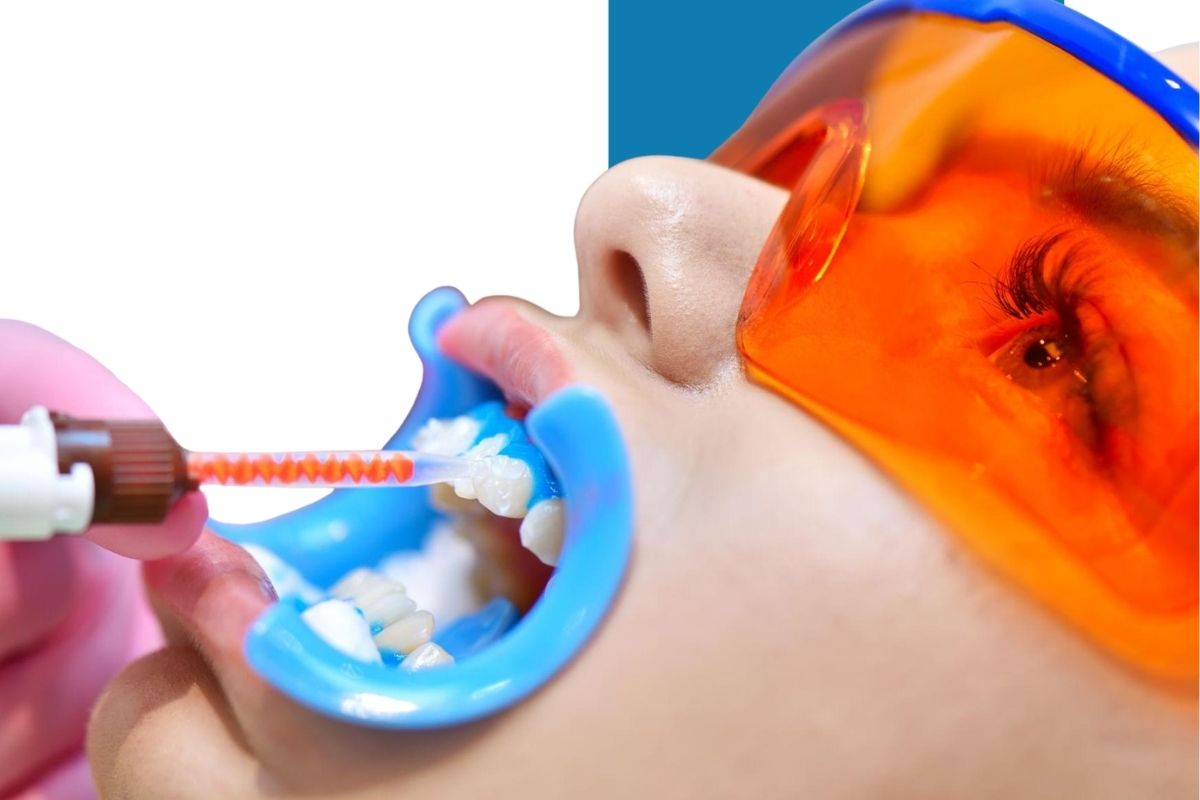
Professional teeth whitening treatments at our dental office is tailored to your needs, using controlled concentrations and protective measures for your gums and enamel.
Benefits include:
- Customized trays for even coverage
- Safer whitening agents
- Reduced risk of irritation
- Faster, more predictable results
2. Use Desensitizing Toothpaste Before and After Whitening
Desensitizing toothpaste contains ingredients like potassium nitrate or stannous fluoride, which help block nerve signals and strengthen enamel.
Best practice:
- Use for at least 1–2 weeks before whitening
- Continue using after treatment to maintain comfort
This simple step can make a noticeable difference.
3. Opt for Lower-Concentration Whitening Products
Higher peroxide levels don’t always mean better results—they often mean more sensitivity.
Gradual whitening with lower concentrations:
- Produces natural-looking results
- Reduces irritation
- Allows enamel to adapt over time
This is especially helpful for people with sensitive teeth.
4. Avoid Overuse of Whitening Treatments
More is not always better. Overusing whitening products can weaken enamel and increase sensitivity.
Follow recommended guidelines:
- Avoid daily use unless directed by a dentist
- Take breaks between treatments
- Don’t extend treatment time beyond instructions
Consistency—not intensity—is the key to safe whitening.
5. Protect Your Gums During Whitening
Gum irritation is a common cause of discomfort during whitening. Ensuring proper application helps prevent this.
Tips:
- Use custom trays (from your dentist)
- Avoid overfilling whitening trays
- Wipe away excess gel from gums
Healthy gums play a major role in reducing sensitivity.
6. Try Whitening Strips Designed for Sensitive Teeth
If you prefer at-home options, look for products specifically labeled for sensitive teeth. These typically contain lower peroxide levels and added soothing agents.
While results may take longer, they are gentler and safer for sensitive users.
7. Maintain Strong Enamel
Healthy enamel acts as a barrier against sensitivity. Strengthening it can make whitening more comfortable.
How to support enamel:
- Use fluoride toothpaste
- Limit acidic foods and drinks
- Drink water after consuming staining beverages
- Avoid aggressive brushing
Stronger enamel = less sensitivity.
8. Consider Professional Fluoride Treatments
Dentists can apply fluoride treatments before or after whitening to strengthen enamel and reduce nerve sensitivity.
This is especially beneficial if you’ve experienced discomfort with whitening in the past.
9. Avoid Extreme Temperatures After Whitening
After whitening, teeth may be temporarily more sensitive to hot and cold.
For 24–48 hours:
- Avoid ice-cold drinks
- Skip very hot foods
- Stick to lukewarm options
This helps prevent triggering sensitivity during the recovery phase.
10. Address Dental Issues Before Whitening
If you have cavities, cracked teeth, or gum disease, whitening can worsen sensitivity.
A dental exam ensures the following:
- Your teeth are healthy enough for whitening
- Any underlying issues are treated first
- Your whitening plan is safe and effective
Natural Ways to Maintain a Whiter Smile (Without Sensitivity)
While professional whitening delivers the best results, you can maintain brightness naturally:
- Brush after consuming coffee, tea, or wine
- Use a straw for staining beverages
- Eat crunchy fruits and vegetables like apples and carrots
- Rinse your mouth after meals
- Schedule regular dental cleanings
These habits help reduce surface stains without harsh chemicals.
What to Expect from Sensitivity-Free Whitening
With the right approach, whitening doesn’t have to be painful. Most patients who follow professional guidance experience the following:
- Minimal to no sensitivity
- Even natural-looking results
- Improved confidence
- Long-lasting brightness
If mild sensitivity does occur, it usually resolves within a day or two.
Why Professional Guidance Matters
Teeth whitening is not a one-size-fits-all treatment. What works for one person may cause discomfort for another.
At Pastrell, Buchanan and Hartzell General Dentistry, we evaluate your oral health, sensitivity level, and cosmetic goals to create a whitening plan that is both effective and comfortable.
Our goal is to help you achieve a radiant smile—without the pain.
Whitening your teeth doesn’t have to mean dealing with discomfort. By choosing the right products, following safe practices, and working with a dental professional, you can enjoy a brighter smile without sensitivity.
If you’ve been avoiding teeth whitening because of sensitivity concerns, now is the time to explore safer, more comfortable options tailored just for you.
Schedule your appointment today at 1050 SW Grandview Ave, Grants Pass, OR 97527 and discover how easy it can be to achieve a whiter, healthier smile—without the sensitivity.
FAQs
1. Can I whiten my teeth if I already have sensitivity?
Yes, but it’s best to use low-concentration products or professional treatments designed for sensitive teeth.
2. How long does sensitivity last after whitening?
It usually lasts 24–48 hours, but proper care can prevent it altogether.
3. Is professional whitening safer than at-home kits?
Yes, professional treatments are customized and monitored, reducing the risk of sensitivity.
4. What toothpaste is best for sensitive teeth during whitening?
Desensitizing toothpaste with potassium nitrate or fluoride is ideal.
5. Can whitening damage enamel?
When used correctly, whitening is safe. Overuse or improper application can weaken enamel and cause sensitivity.