
What Are Dental Crowns and When Do You Need Them?
A damaged, cracked, or weakened tooth can affect more than just your appearance—it can impact your ability to eat, speak, and smile confidently. Fortunately, dental crowns offer a durable and highly effective solution for restoring both the strength and beauty of your teeth.
Modern dental crowns are designed to look natural while protecting compromised teeth from further damage. Whether you have severe tooth decay, a broken tooth, or have recently undergone root canal treatment, crowns can help preserve your oral health and restore full function to your smile.
In this blog, we’ll explain what dental crowns are, the different types available, and when you may need one.
What Are Dental Crowns?
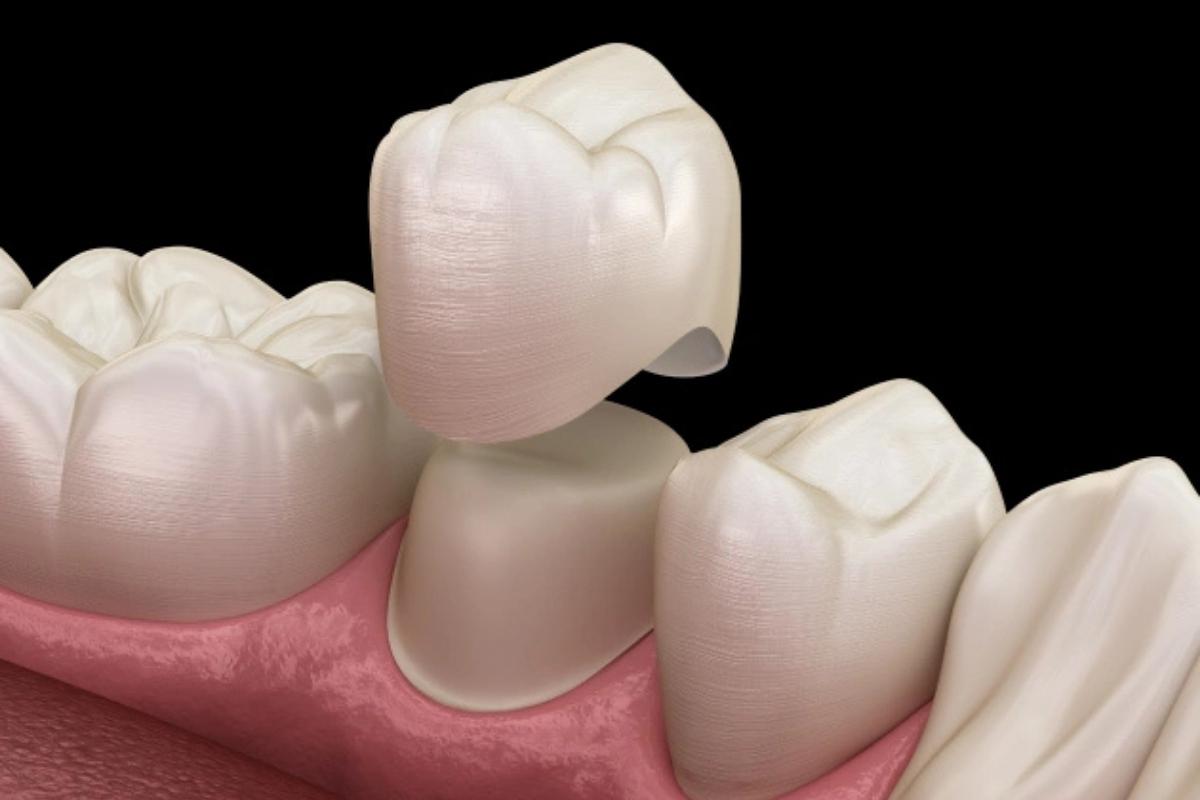
A dental crown is a custom-made cap placed over a damaged or weakened tooth to restore its shape, size, strength, and appearance. Crowns fully cover the visible portion of the tooth above the gum line, providing protection and reinforcement.
Dental crowns are commonly recommended when a tooth is too damaged for a regular filling but not damaged enough to require extraction.
Crowns can be made from several materials, including:
- Porcelain
- Ceramic
- Metal alloys
- Zirconia
- Porcelain-fused-to-metal (PFM)
Among these options, porcelain and ceramic crowns are especially popular because they closely resemble natural teeth.
When Do You Need a Dental Crown?
Dental crowns are versatile restorations used in many restorative and cosmetic dental procedures. Your dentist may recommend a crown for several reasons.
1. To Protect a Weak or Cracked Tooth
Teeth weakened by large fillings, fractures, or extensive decay are more vulnerable to breaking. A dental crown acts as a protective shield that holds the tooth together and prevents further damage.
Ignoring a cracked tooth can lead to worsening pain, infection, or complete tooth loss. Early treatment with a crown can often save the natural tooth.
2. After Root Canal Treatment
A tooth that has undergone root canal therapy becomes more brittle over time because the infected pulp has been removed. Dental crowns are commonly placed after root canals to strengthen and protect the treated tooth.
Without a crown, the tooth may crack under normal chewing pressure.
3. To Restore a Broken or Worn Tooth
Teeth can become worn down from:
- Teeth grinding (bruxism)
- Acid erosion
- Injury or trauma
- Aging
Dental crowns rebuild the tooth’s structure, restore proper chewing function, and improve appearance.
4. To Cover Large Fillings
When a tooth has a large filling and limited natural structure remaining, a crown provides additional support and durability.
Large fillings can weaken teeth over time, increasing the risk of fractures. Crowns help stabilize the tooth and extend its lifespan.
5. To Improve Cosmetic Appearance
Dental crowns are also used in cosmetic dentistry to improve the appearance of:
- Discolored teeth
- Misshapen teeth
- Uneven teeth
- Severely stained teeth
Modern crowns are crafted to match the color, shape, and size of your natural teeth for a seamless smile enhancement.
6. To Complete a Dental Implant
Dental implants typically consist of three parts:
- Implant post
- Abutment
- Crown
The crown is the visible replacement tooth attached to the implant. It restores function and aesthetics while allowing patients to chew and smile naturally again.
7. To Support a Dental Bridge
Crowns are often used to anchor dental bridges that replace one or more missing teeth. The crowns are placed on adjacent healthy teeth to hold the bridge securely.
Types of Dental Crowns
There are several types of crowns available depending on your oral health needs, aesthetic goals, and budget.
Porcelain Crowns
Porcelain crowns provide the most natural appearance and are ideal for front teeth restoration.
Benefits:
- Excellent aesthetics
- Stain-resistant
- Natural translucency
Zirconia Crowns
Zirconia crowns are known for exceptional strength and durability.
Benefits:
- Highly durable
- Resistant to cracking
- Suitable for back teeth
Metal Crowns
Metal crowns are extremely durable and rarely chip or break.
Benefits:
- Long-lasting
- Minimal tooth reduction required
- Ideal for molars
Porcelain-Fused-to-Metal Crowns
These crowns combine the strength of metal with the appearance of porcelain.
Benefits:
- Durable
- More natural-looking than metal crowns
- Commonly used for both front and back teeth
What Is the Dental Crown Procedure Like?
Getting a dental crown usually requires two dental visits.
First Appointment
During the first visit, your dentist will:
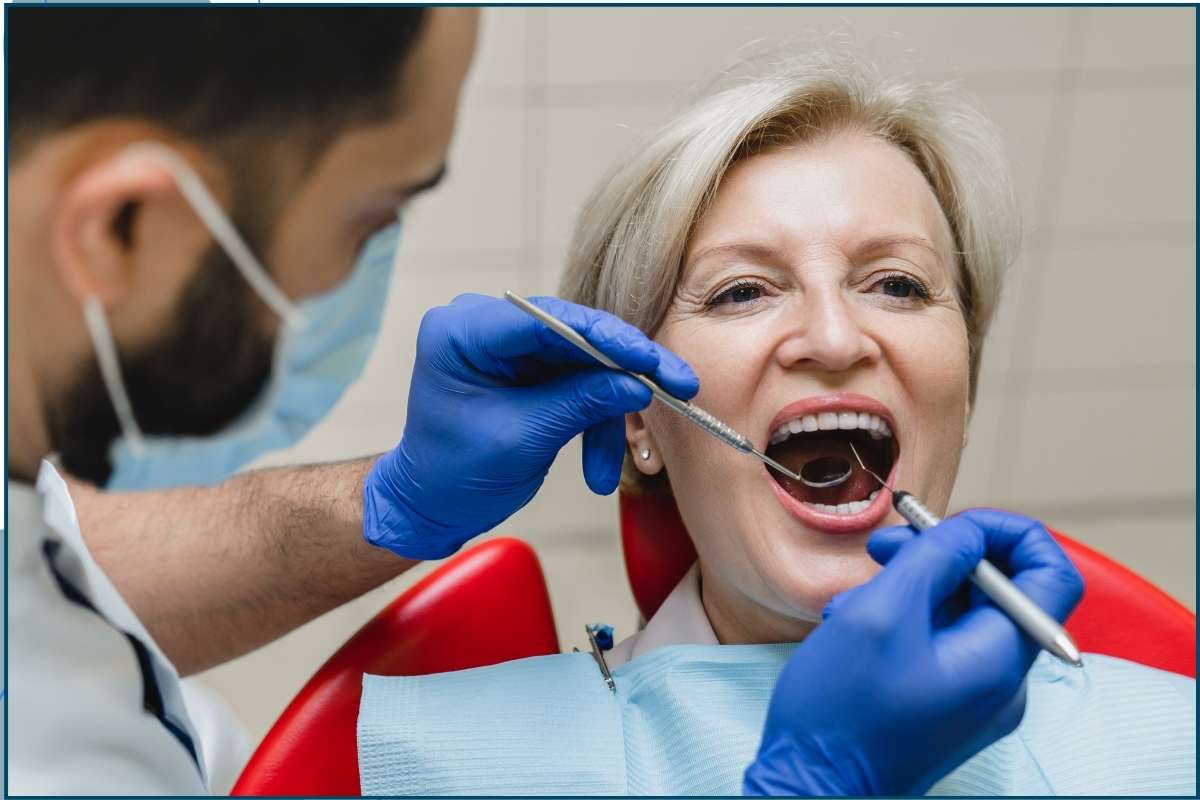
- Examine the tooth
- Remove decay or damage
- Shape the tooth for crown placement
- Take digital or physical impressions
- Place a temporary crown
The impressions are then sent to a dental lab where your permanent crown is custom-made.
Second Appointment
At the second appointment, the temporary crown is removed, and the permanent crown is cemented into place.
Your dentist will check:
- Bite alignment
- Fit
- Comfort
- Appearance
Once bonded, the crown functions like a natural tooth.
How Long Do Dental Crowns Last?
With proper care, dental crowns can last between 10 and 15 years or even longer.
The lifespan of a crown depends on the following:
- Oral hygiene habits
- Diet
- Teeth grinding
- Regular dental visits
To maximize longevity:
- Brush twice daily
- Floss regularly
- Avoid chewing hard objects
- Wear a nightguard if you grind your teeth
Signs You May Need a Dental Crown
You should schedule a dental evaluation if you experience:
- Persistent tooth pain
- Cracked or chipped teeth
- Difficulty chewing
- Large cavities
- Worn-down teeth
- Tooth sensitivity
- Broken fillings
Early treatment can prevent more serious dental complications.
Benefits of Dental Crowns
Dental crowns offer both restorative and cosmetic benefits, including:
Restored Function
Crowns allow you to chew and speak comfortably again.
Improved Appearance
They enhance the color, shape, and alignment of teeth.
Tooth Protection
Crowns strengthen weakened teeth and prevent further damage.
Long-Term Durability
Modern crowns are highly durable and built to last for years.
Natural Look and Feel
Today’s crowns are customized to blend seamlessly with your smile.
Are Dental Crowns Worth It?
For many patients, dental crowns are an excellent investment in long-term oral health. Rather than extracting a damaged tooth, crowns help preserve your natural tooth structure while restoring full functionality.
Prompt treatment can also help avoid more complex and costly procedures in the future.
Restore Your Smile with Custom Dental Crowns
If you have a damaged, weak, or cosmetically imperfect tooth, dental crowns may be the ideal solution for restoring your smile and protecting your oral health.
A professional dental evaluation can determine the best type of crown for your needs and help you regain confidence in your smile.
Schedule your consultation today to learn how custom dental crowns can strengthen, protect, and transform your teeth.