

Best Treatment Options for TMJ Disorder Explained
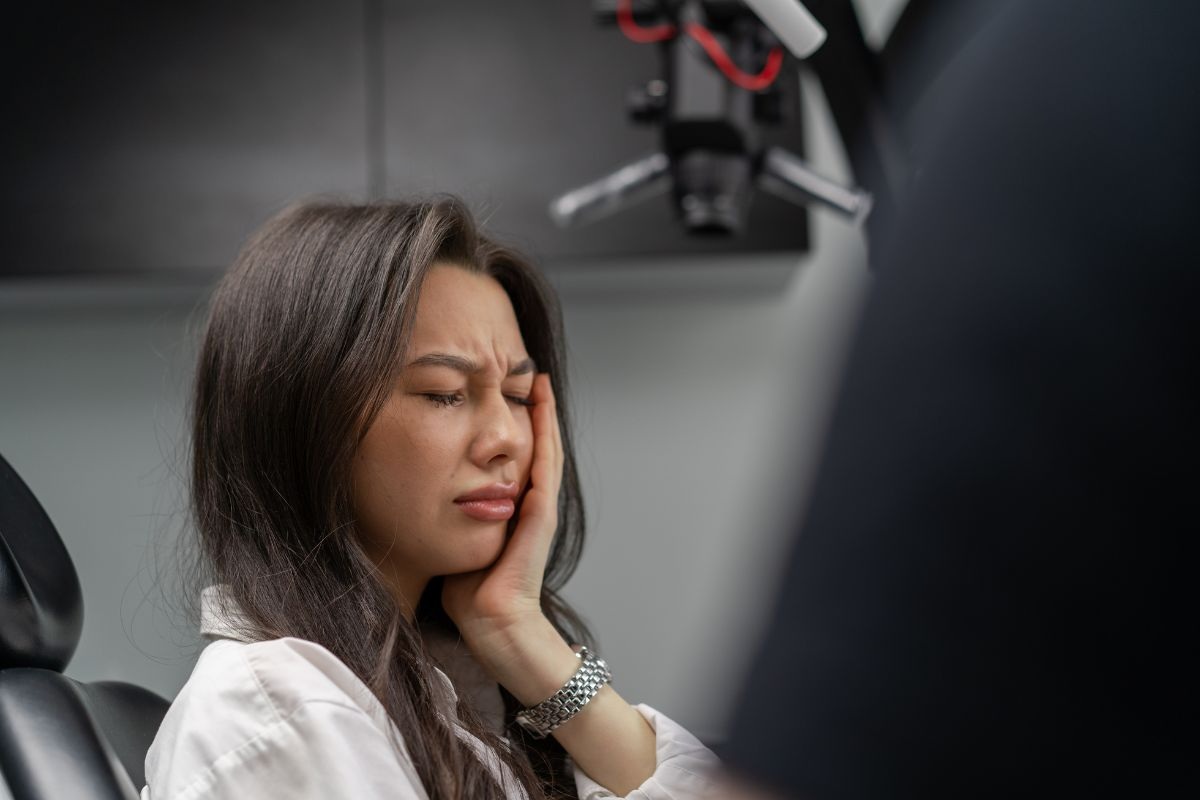
Jaw pain, clicking when you chew, frequent headaches, or a tight feeling around your face can make everyday activities surprisingly uncomfortable. If these symptoms sound familiar, you may be dealing with temporomandibular joint disorder, commonly called TMJ disorder or TMD.
The good news is that there is no single treatment that works for every patient. The best TMJ treatment options depend on what is causing your symptoms, how severe they are, and how your jaw, teeth, and surrounding muscles function. For patients looking for TMJ treatment in Grants Pass, a dental evaluation can help identify the likely cause and determine an appropriate treatment approach.
Quick Answer
The best TMJ treatment options depend on the cause and severity of your symptoms. Conservative care may include a custom nightguard, softer foods, stress reduction, jaw exercises, and medication when appropriate. Some patients may need bite adjustments or other dental treatment. A professional evaluation is important before choosing a treatment.
What Is TMJ Disorder?
The temporomandibular joints connect your lower jaw to your skull and help you talk, chew, yawn, and open your mouth. Problems involving these joints, the jaw muscles, or the way the jaw functions are generally referred to as temporomandibular disorders.
TMJ problems can have several possible causes. Teeth grinding or clenching, stress, injuries, arthritis, muscle tension, and bite-related issues may all contribute to jaw discomfort. Symptoms can also vary from person to person.
Common signs include:
- Jaw pain or tenderness
- Clicking, popping, or grinding sounds
- Headaches or facial discomfort
- Ear-area pain
- Difficulty opening or closing the mouth
- Jaw stiffness
- Pain when chewing or yawning
- Changes in how your teeth fit together
Occasional jaw clicking without pain is not always a sign of a serious problem. However, painful or persistent symptoms deserve professional attention.
What Are the Best TMJ Treatment Options?
1. Custom Nightguards or Oral Splints
If teeth grinding or clenching is contributing to your symptoms, a dental nightguard may help reduce stress placed on your teeth and jaw.
A properly fitted appliance can create a protective barrier between the upper and lower teeth while helping manage the effects of nighttime grinding. It should be selected and fitted based on your individual needs rather than simply choosing an over-the-counter appliance.
Nightguards may be especially useful for patients who wake with jaw soreness, headaches, or noticeable tooth wear.
2. Lifestyle and Home Care Changes
For mild TMJ symptoms, simple changes may help reduce strain on the jaw. Patients can also learn more about effective at-home remedies for TMJ pain relief to discover practical ways to manage jaw discomfort at home while following their dentist’s recommendations.
Your dentist may recommend:
- Choosing softer foods temporarily
- Avoiding excessive gum chewing
- Limiting very hard or chewy foods
- Keeping your jaw relaxed rather than clenching
- Practicing stress-management techniques
- Paying attention to posture and neck tension
- Following recommended jaw exercises
These steps are generally used as part of a broader treatment plan rather than as a replacement for professional evaluation.
3. Medication for Pain and Inflammation
Depending on the cause of your symptoms and your medical history, medication may sometimes be recommended to help control pain or inflammation.
Over-the-counter pain relievers may be appropriate for some adults, but they are not right for everyone. Your dentist or physician can help determine what is safe for you, particularly if you take other medications or have existing health concerns.
Medication may relieve symptoms, but finding and addressing the underlying cause remains important.
4. Bite Evaluation and Adjustment
The way your upper and lower teeth meet can affect jaw function. In selected cases, a dentist may evaluate your bite to determine whether uneven contact or other dental factors are contributing to discomfort.
If an adjustment is appropriate, it should be based on a careful examination rather than performed simply because a patient has jaw pain.
The goal is to protect healthy tooth structure while improving comfort and function when clinically appropriate.
5. Botox for TMJ Symptoms
Botox may be considered for certain adults experiencing TMJ-related discomfort. The treatment works by temporarily reducing muscle activity and can help decrease stress placed on the jaw muscles.
Pastrell, Buchanan and Hartzell General Dentistry notes that Botox may be used for TMJ symptoms and that results are temporary, with effects varying between individuals. Their practice describes Botox treatment as an option for appropriately selected patients rather than a universal solution.
A consultation is important to determine whether this approach is appropriate for your symptoms and overall health.
How Is TMJ Disorder Diagnosed?
Before choosing among TMJ treatment options, your dentist needs to understand what may be causing the problem.
An evaluation may include discussing your symptoms, checking jaw movement, examining your teeth and bite, and looking for signs of clenching, grinding, or tooth wear. Dental imaging may also be useful when additional information is needed.
Pastrell, Buchanan and Hartzell General Dentistry uses advanced diagnostic technology, including digital X-rays and the Sirona GALILEOS CBCT system, as part of its broader approach to dental diagnosis and treatment planning.
The important point is that treatment should be based on your individual findings rather than a one-size-fits-all approach.
When Should You See a Dentist for TMJ Symptoms?
You do not have to wait until jaw pain becomes severe before seeking help.
Consider scheduling a dental evaluation if symptoms are persistent, getting worse, affecting your ability to eat or speak, or interfering with sleep. You should also seek prompt professional care if your jaw locks or you have significant difficulty opening or closing your mouth.
Early evaluation can help distinguish TMJ-related symptoms from other dental or medical problems that may cause facial pain or headaches.
What Does TMJ Treatment Cost?
There is no single price for TMJ care because treatment varies according to the diagnosis and recommended plan.
The cost may depend on factors such as:
- Whether diagnostic imaging is needed
- The type of oral appliance recommended
- Whether bite-related treatment is appropriate
- Whether medication or other care is needed
- The complexity and duration of treatment
At Pastrell, Buchanan and Hartzell General Dentistry, treatment costs and available payment options are discussed before care begins. The practice also works with insurance claims and offers financing options for qualifying patients.
Aftercare: How Can You Protect Your Jaw?
Once your symptoms improve, maintaining healthy jaw habits can help reduce unnecessary strain.
Try to avoid repeatedly clenching your teeth, chewing gum for long periods, or regularly eating foods that require excessive chewing. If you use a prescribed nightguard, follow your dentist’s instructions for wearing and cleaning it.
Pay attention to recurring symptoms, too. Jaw pain that disappears and then returns may be a reason to schedule a follow-up rather than simply ignoring it.
Why Choose Pastrell, Buchanan and Hartzell General Dentistry in Grants Pass?
Choosing a local dental practice can make ongoing evaluation and follow-up easier, especially when TMJ symptoms require monitoring.
Pastrell, Buchanan and Hartzell General Dentistry has served the Grants Pass community for decades and emphasizes personalized, patient-centered care. The practice has provided dental care in Grants Pass since 1980 and describes its approach as focused on comfort, individualized treatment, and a positive patient experience.
The practice also offers advanced technology, including digital X-rays, intraoral cameras, Sirona GALILEOS CBCT, and iTero Element 5D technology.
Located at 1050 SW Grandview Ave in Grants Pass, the practice serves local patients seeking comprehensive dental care.
Most importantly, TMJ care should be personalized. Your symptoms, oral health, jaw function, and treatment goals all matter when deciding what comes next.
See What Local Patients Are Saying
Want to learn more about our practice and hear from patients in the community? See reviews from our Grants Pass dental patients to explore feedback and recent updates from Pastrell, Buchanan and Hartzell General Dentistry.
Frequently Asked Questions About TMJ Treatment
What is the most effective treatment for TMJ disorder?
There is no single treatment that is best for everyone. Treatment depends on the underlying cause and severity of the problem. Conservative options such as a nightguard, dietary changes, stress reduction, and jaw exercises may help many patients, while others may need additional dental care.
Can TMJ go away without treatment?
Mild TMJ symptoms may improve with rest, reduced jaw strain, and lifestyle changes. However, persistent, worsening, or painful symptoms should be evaluated by a dentist. Professional assessment can help determine whether the problem is related to the jaw joint, muscles, teeth, bite, or another condition.
Does a nightguard help TMJ?
A custom nightguard may help patients whose TMJ symptoms are associated with teeth grinding or clenching. It can protect teeth and reduce some of the forces placed on the jaw. However, a nightguard is not automatically the right solution for every type of TMJ disorder.
Is Botox good for TMJ?
Botox may help selected adults with TMJ-related muscle discomfort by temporarily reducing muscle activity. It is not appropriate for everyone, and results are temporary. A dental evaluation can help determine whether Botox is a reasonable option based on your symptoms and medical history.
When should I see a dentist for jaw pain?
See a dentist if jaw pain persists, repeatedly returns, becomes more severe, affects eating or speaking, or occurs with jaw locking or limited movement. A dental examination can help identify possible causes and determine whether treatment is needed.
Can stress make TMJ symptoms worse?
Yes. Stress can contribute to unconscious jaw clenching and teeth grinding, which may increase muscle tension and place additional strain on the jaw. Relaxation techniques, awareness of daytime clenching, and appropriate dental care may help reduce these contributing factors.
Conclusion
The right TMJ treatment options depend on why your jaw hurts and how your symptoms affect your daily life. Nightguards, lifestyle changes, medication when appropriate, bite evaluation, and selected treatments such as Botox may all have a role for the right patient.
If jaw pain, clicking, headaches, or difficulty moving your jaw is affecting your quality of life, consider speaking with a dental professional rather than trying to manage persistent symptoms on your own.
Patients in Grants Pass, OR can contact Pastrell, Buchanan and Hartzell General Dentistry at +1 5415798236 to learn more about their options and schedule an evaluation.