

Dangers Of Thumb Sucking
It’s common for children to suck their thumb at a young age. Drs. Greg Bigelow, Peter Pastrell, Justin Buchanan, Chad Hartzell, and our team want you to understand the potential issues that can surface down the road if the habit isn’t broken early on.
It’s normal for infants to explore the function of their mouths by putting objects like their thumbs inside them. You shouldn’t be concerned if your baby regularly sucks his or her thumb. For infants who are still growing their baby teeth, thumb sucking can help with stimulating the growth and development of their baby teeth.
Thumb sucking is not a problem among infants because they generally do it to soothe and comfort themselves. Problems can occur if kids continue the habit when their baby teeth begin to fall out, around six years of age.
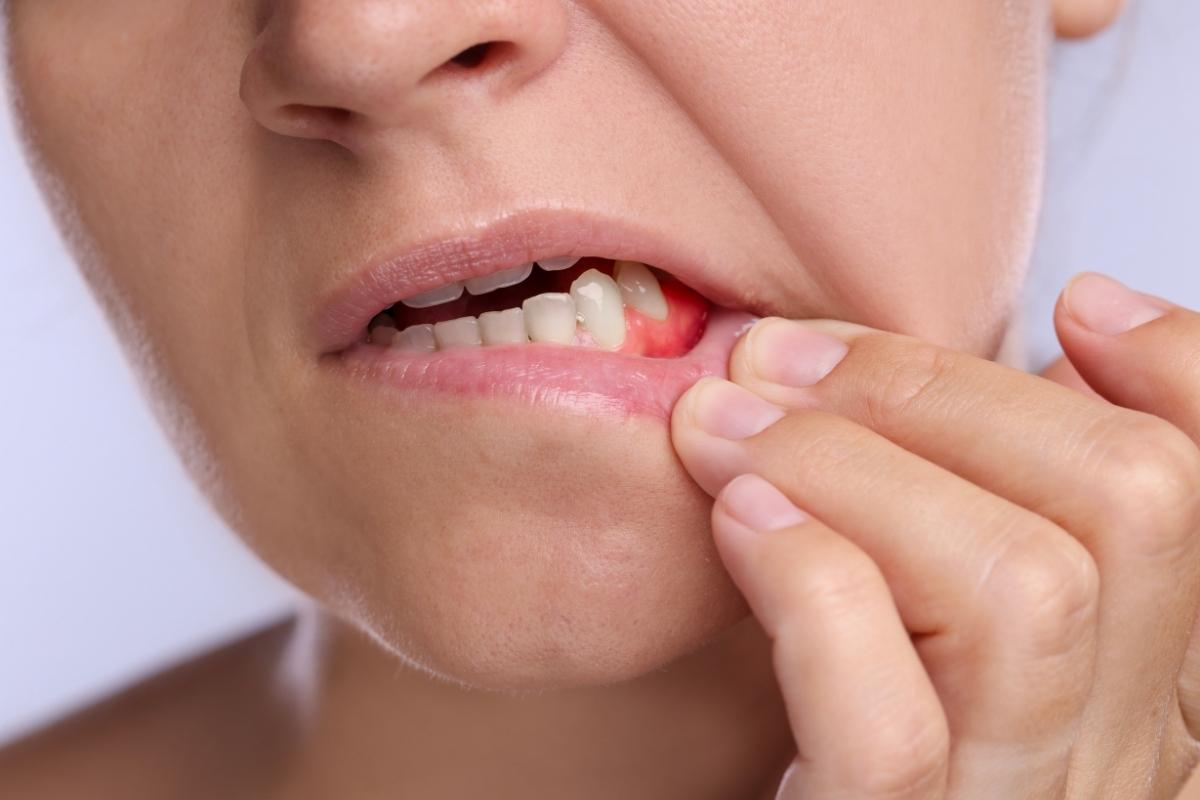
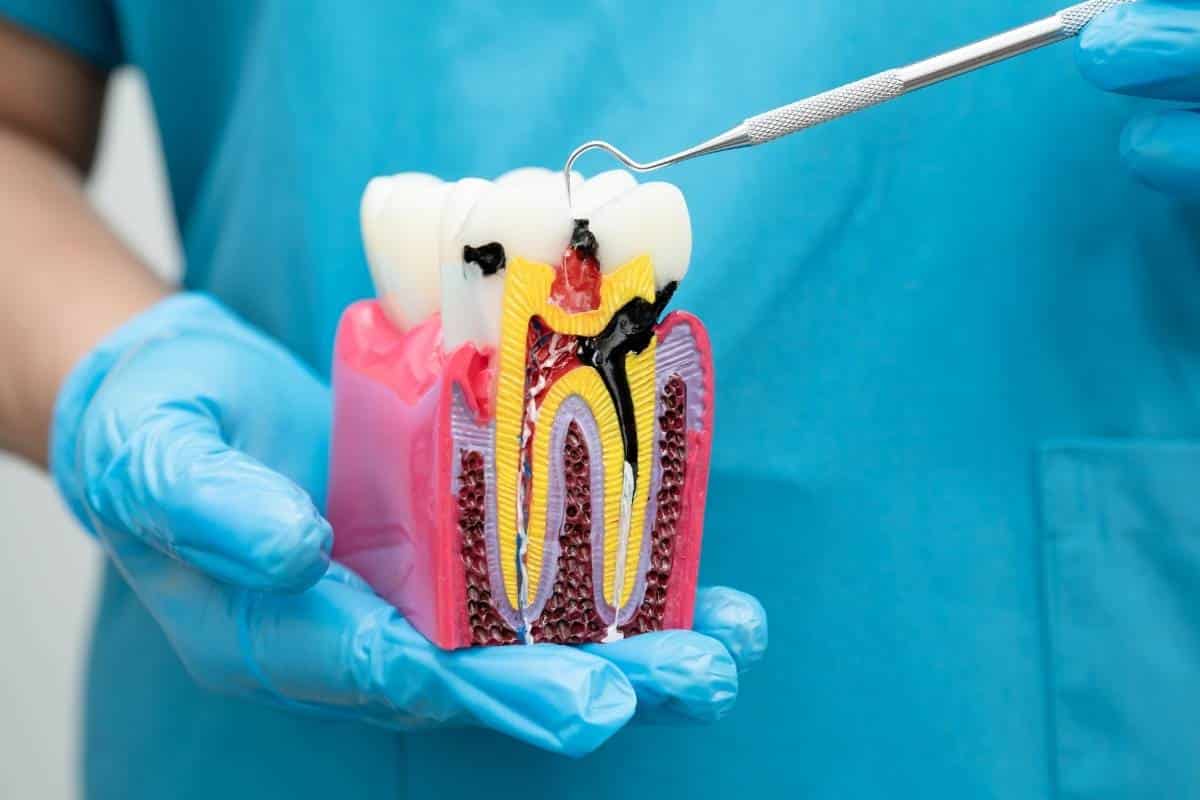
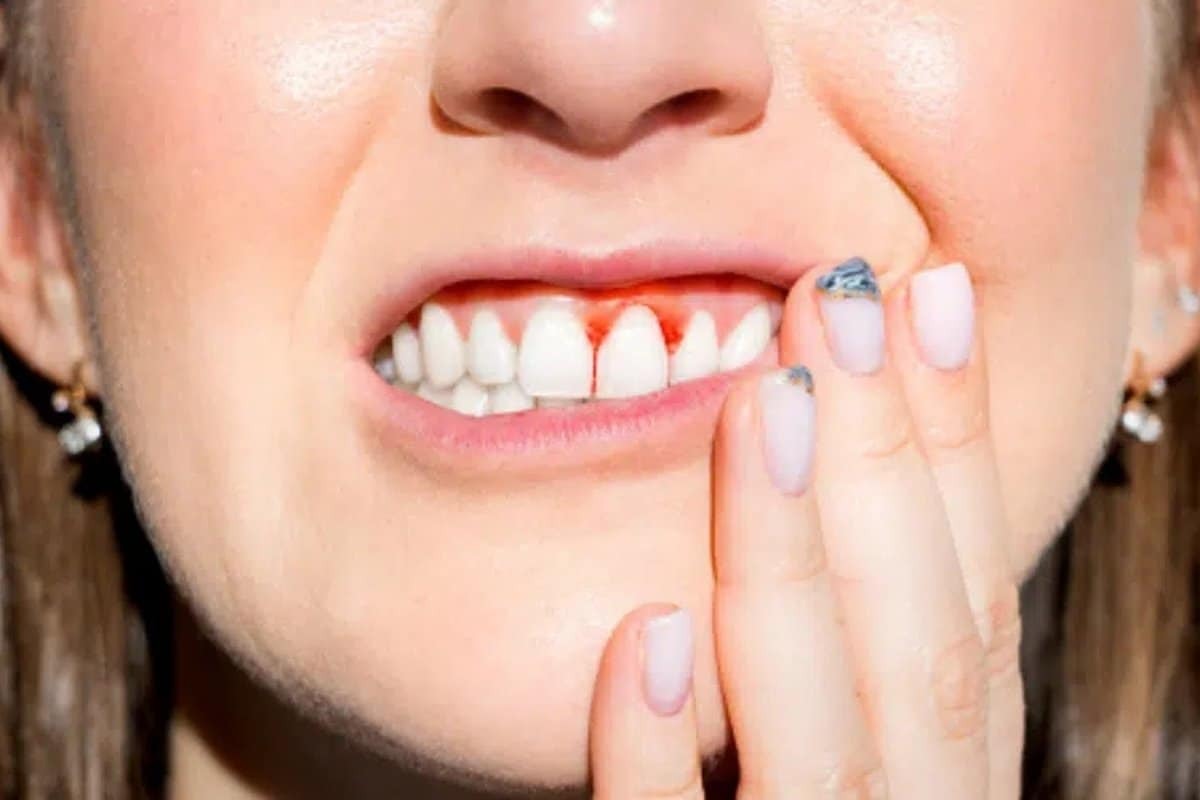
If you have a young child whose adult teeth are starting to come in, that’s when thumb-sucking can start to be a problem. Most children stop thumb-sucking between the ages of two and three years. According to the American Dental Association, if thumb sucking continues as adult teeth come in, this can lead to problems involving the improper alignment of teeth and growth of the jaw, gums, and roof of the mouth. Therefore, it’s essential to take the child early for a dental visit.
It may also affect your child’s speech after that, by causing a lisp or other speech impediments. As a parent, you may need to begin to regulate and intervene if thumb-sucking starts to become a bigger problem for your child.
How to Stop Thumb Sucking
- Provide comfort to your child if thumb sucking happens when he or she is anxious.
- Limit thumb sucking initially to bedtime or naptime.
- Employ positive reinforcement for good behavior.
- Talk with your child about the potential problems that come from this habit.
- Distract your son or daughter with activities such as fun games any time you notice it starting.
- Involve your little one in choosing methods for stopping, like positive rewards.
- Have Drs. Greg Bigelow, Peter Pastrell, Justin Buchanan, and Chad Hartzell talk to your child to reinforce concerns about thumb sucking.
Don’t forget that thumb sucking is a common habit that many children indulge in, and it should not be a concern right away. If you’re worried about your child’s thumb-sucking habit, start to address the issue as soon as possible.
The above techniques can help to reduce the amount of time your child sucks a thumb. Drs. Greg Bigelow, Peter Pastrell, Justin Buchanan, and Chad Hartzell and our team are here to help you if you have any questions or concerns about this habit.
Feel free to call our Grants Pass office and we will be happy to help you and your child.