
Can I Get Veneers With Crooked Teeth?
Veneers are a popular cosmetic dentistry option for enhancing the appearance of your smile. They can correct various aesthetic issues, such as discoloration, chips, and gaps. However, if you have crooked teeth, you might wonder if veneers are a suitable option for you. In this blog, we’ll explore whether veneers can be used to improve crooked teeth and what you need to consider before making a decision.
Understanding Veneers
Veneers are thin shells made of porcelain or composite resin that are custom-made to fit over the front surface of your teeth. They are designed to mimic the natural look of your teeth and can significantly improve their appearance. Veneers are commonly used to address issues such as:
- Discoloration and stains
- Chips and cracks
- Minor misalignments
- Gaps between teeth
- Irregularly shaped teeth
Can Veneers Fix Crooked Teeth?
The short answer is: it depends. Veneers can be used to improve the appearance of mildly crooked teeth, but they are not a solution for severe misalignment or bite issues. Here are some key points to consider:
Mild Crookedness
- Cosmetic Improvement: If your teeth are only slightly crooked, veneers can effectively mask the misalignment and give the appearance of a straighter smile. The dentist will carefully design the veneers to create a uniform look.
- Minimal Prep: In cases of mild crookedness, the dentist may need to remove a small amount of enamel from the front surface of your teeth to ensure the veneers fit properly and look natural.
Moderate to Severe Crookedness
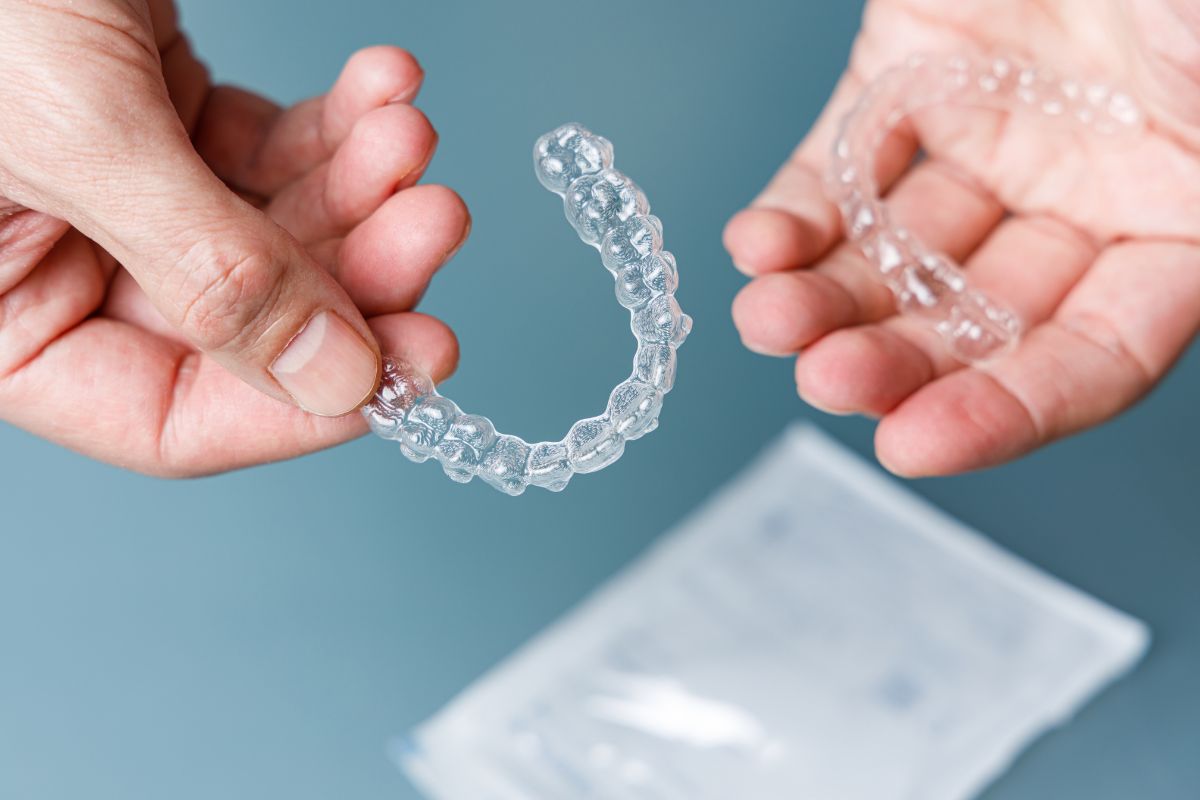
- Orthodontic Treatment: For moderate to severe misalignment, orthodontic treatment (such as braces or Invisalign) is usually recommended before getting veneers. Orthodontic treatment can correct the underlying alignment issues, providing a better foundation for veneers if needed afterward.
- Functional Concerns: Severe misalignment can cause functional issues, such as difficulty chewing, jaw pain, and an increased risk of tooth decay and gum disease. Veneers alone cannot address these functional problems, which is why orthodontic treatment is often necessary.
The Process of Getting Veneers
If you are considering veneers for mildly crooked teeth, here is an overview of the process:
- Consultation: Schedule a consultation with a cosmetic dentist. They will evaluate your teeth, discuss your goals, and determine if veneers are a suitable option for you.
- Treatment Plan: If veneers are appropriate, the dentist will create a treatment plan, including the number of veneers needed and the desired shape, size, and color.
- Preparation: The dentist will prepare your teeth by removing a small amount of enamel from the front surface. This ensures the veneers will fit correctly and look natural.
- Impressions: Impressions of your teeth are taken to create custom veneers. These impressions are sent to a dental lab where the veneers are fabricated.
- Temporary Veneers: While your permanent veneers are being made, you may receive temporary veneers to protect your prepared teeth.
- Placement: Once the custom veneers are ready, the dentist will bond them to your teeth using a strong adhesive. They will make any necessary adjustments to ensure a perfect fit and appearance.
- Follow-Up: A follow-up appointment may be scheduled to check the fit and comfort of the veneers and make any final adjustments.
Benefits of Veneers
- Aesthetic Improvement: Veneers can dramatically enhance the appearance of your smile, providing a natural and uniform look.
- Durability: Porcelain veneers are highly durable and can last for many years with proper care.
- Stain Resistance: Porcelain veneers are resistant to staining, helping you maintain a bright smile.
Considerations and Alternatives
- Cost: Veneers can be expensive, and the cost varies based on the number of veneers needed and the material used.
- Irreversibility: The process of getting veneers is irreversible, as enamel is removed from your teeth. It’s important to be certain about your decision.
- Alternatives: If veneers are not suitable for you, other cosmetic options like dental bonding, teeth whitening, or orthodontic treatment may be considered.
Conclusion
Veneers can be an effective solution for improving the appearance of mildly crooked teeth, but they are not a one-size-fits-all answer for significant misalignment issues. A consultation with a cosmetic dentist is essential to determine the best approach for your specific needs. By understanding the limitations and benefits of veneers, you can make an informed decision about achieving the smile you’ve always wanted. If you have crooked teeth and are considering veneers, schedule a consultation to explore your options and create a tailored treatment plan that meets your aesthetic and functional goals.