

A Guide to Full Mouth Restoration: When to Think About It and What to Expect
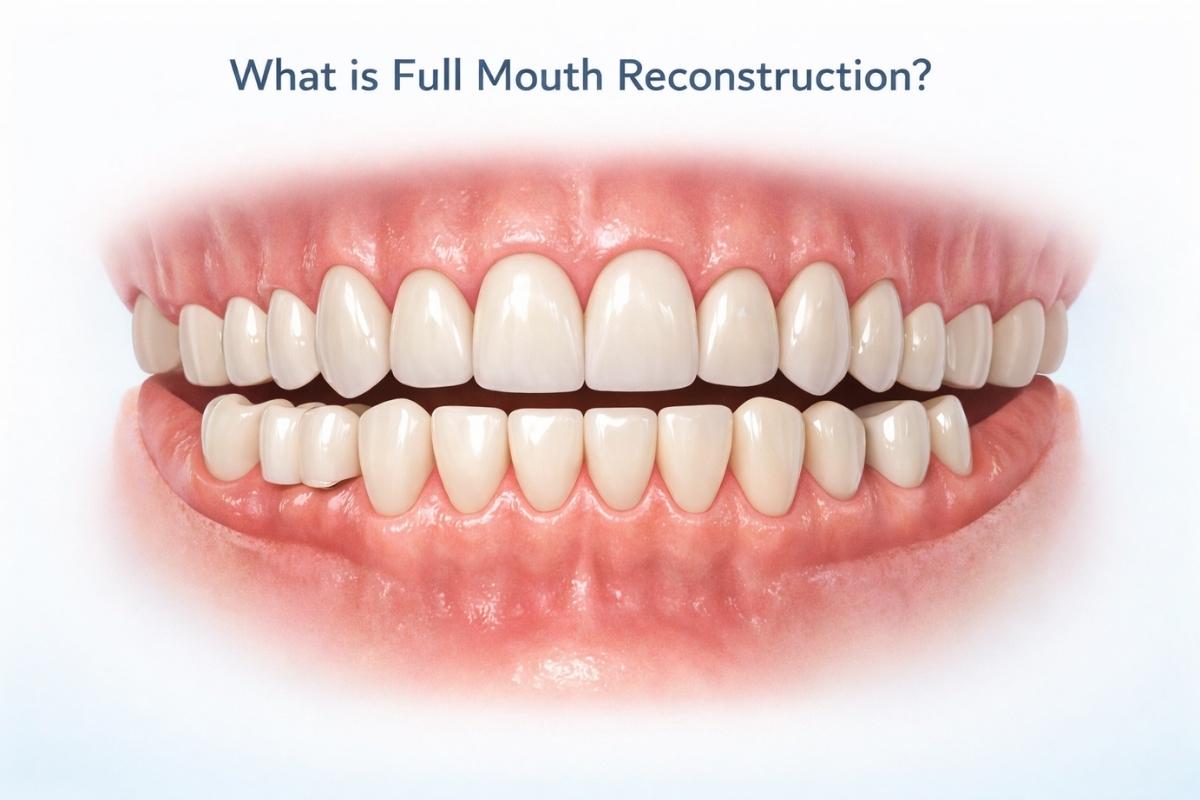
If you’re experiencing chronic dental issues such as missing teeth, damaged enamel, jaw pain, or bite misalignment, you may be a candidate for full mouth restoration. Also known as full mouth reconstruction, this comprehensive treatment plan is designed to rebuild or replace all of the teeth in a patient’s mouth while restoring function, comfort, and aesthetics. It combines multiple restorative and cosmetic procedures tailored to your specific oral health needs.
Whether you’re dealing with severe decay, traumatic dental injury, or long-term neglect, full mouth restoration can be life-changing. In this guide, we’ll explore when to consider this option, what the process involves, and what you can expect from beginning to end.
When Should You Consider Full Mouth Restoration?
You might start thinking about full mouth restoration if you’re facing several dental challenges that can’t be solved with just a single procedure. Unlike routine cleanings or one-time repairs, full mouth restoration addresses multiple issues affecting the teeth, gums, bite, and jaw.
This approach may be right for you if you:
- Have multiple missing, broken, or worn-down teeth
- Suffer from ongoing jaw pain or temporomandibular joint (TMJ) dysfunction
- Experience chronic headaches, facial pain, or bite discomfort
- Have teeth severely damaged by decay or grinding (bruxism)
- Require a combination of restorative, periodontal, and cosmetic dental work
- Struggle with advanced gum disease affecting tooth support
- Are unhappy with both the function and appearance of your smile
If you’re seeking full-mouth reconstruction in Grants Pass, local specialists can evaluate your unique dental concerns and help you determine if this comprehensive approach is right for you.
What Treatments Are Involved?
Full mouth restoration is not a one-size-fits-all procedure. Instead, it’s a carefully planned series of treatments customized to your individual oral health goals. Your dentist or prosthodontist will develop a roadmap based on your examination, diagnostic imaging, and bite analysis.
Some of the procedures that may be included in a full mouth restoration plan are
- Dental Implants: Ideal for replacing missing teeth with strong, natural-looking results.
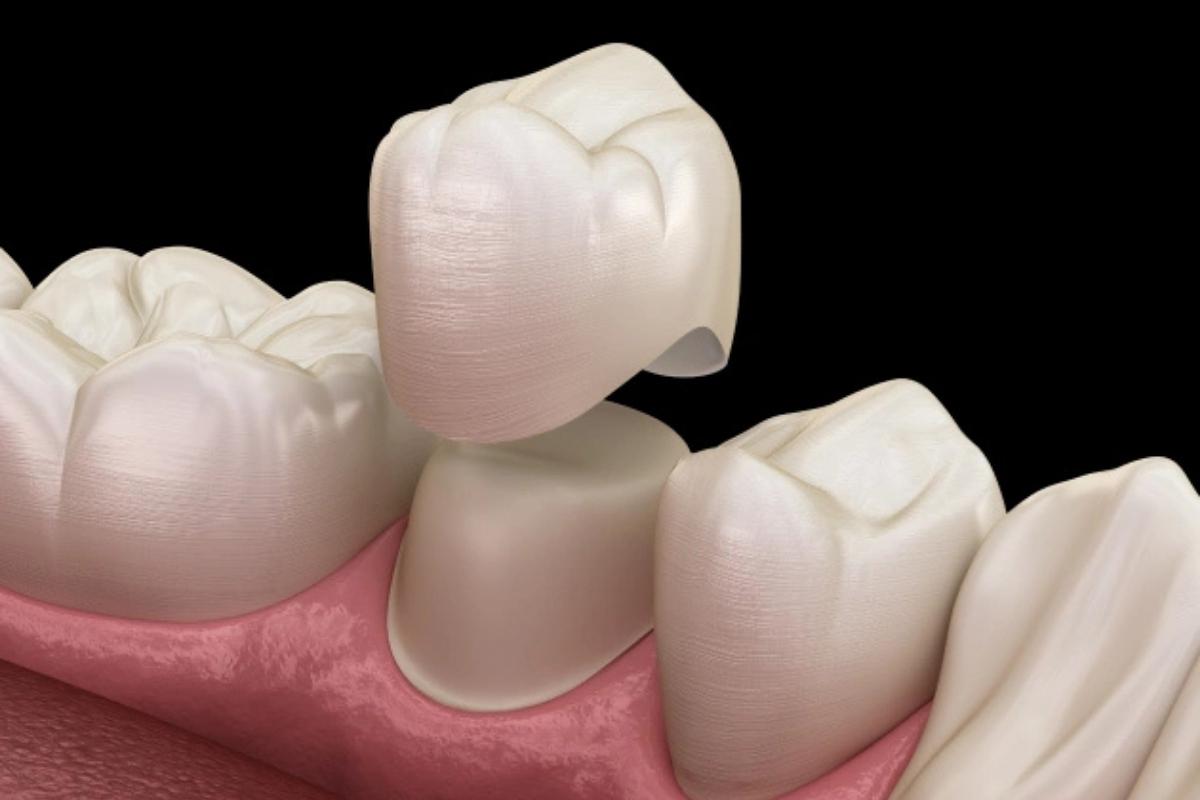
- Crowns and Bridges: Used to restore damaged or missing teeth while improving bite alignment.
- Veneers or Bonding: To enhance the appearance of front teeth and correct minor imperfections.
- Root Canal Therapy: To treat infected or inflamed tooth pulp and save natural teeth.
- Periodontal Treatment: Essential for addressing gum disease and rebuilding a healthy foundation.
- Orthodontics (braces or Invisalign): May be necessary to correct bite and alignment issues.
- Tooth-Colored Fillings: Replace decay with natural-looking restorations.
- Jaw Surgery or TMJ Therapy: For cases involving structural abnormalities or bite correction.
Your plan might include a few or many of these procedures, spaced out over weeks or months, depending on complexity and healing time.
The Full Mouth Restoration Process: What to Expect
Full mouth restoration typically follows a multi-phase approach, starting with diagnosis and ending with final restorations. Here’s a general breakdown of the process:
1. Comprehensive Evaluation
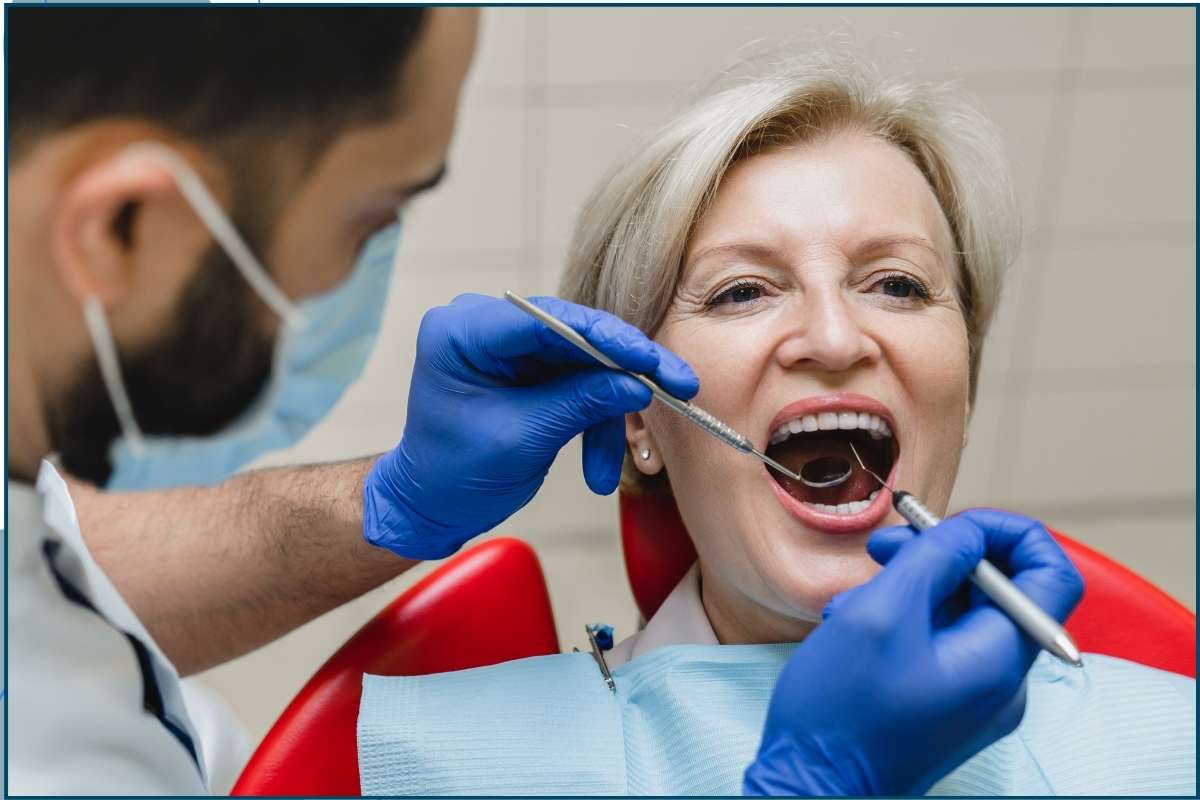
Your dentist will perform a detailed exam, including:
- Digital X-rays and 3D imaging
- Intraoral photos
- Bite analysis and jaw movement assessment
- Review of your dental and medical history This evaluation helps map out the structure of your mouth and prioritize treatments.
2. Treatment Planning
Based on the findings, your dentist will design a tailored plan that aligns with your functional and cosmetic goals. They’ll explain which procedures you need, in what order, and how long the entire process may take.
3. Preparatory Work
This stage often includes treating infections, extracting non-salvageable teeth, or managing gum disease. It’s critical to build a healthy foundation before restorative work begins.
4. Restorative and Cosmetic Procedures
Depending on your plan, you’ll undergo one or more treatments in phases. For example, implants may need several months to integrate with the jawbone before crowns are placed. Orthodontic treatment could precede restorative procedures to properly align the bite.
5. Follow-Up and Maintenance
Once the restoration is complete, your dentist will schedule regular checkups and provide guidance on how to maintain your results. Good oral hygiene and preventive care are essential for long-term success.
Benefits of Full Mouth Restoration
The goal of full mouth restoration isn’t just to fix dental problems—it’s to give you a healthy, confident smile that improves your quality of life. Here are some key benefits:
1. Improved Function
Chewing, speaking, and biting become easier and more comfortable with a restored smile. You can enjoy your favorite foods again without pain or embarrassment.
2. Enhanced Aesthetics
A full mouth restoration improves not just your dental health but also your appearance. Whiter, well-shaped teeth and a properly aligned bite contribute to a more youthful, confident look.
3. Long-Term Oral Health
By addressing root issues like decay, gum disease, and poor alignment, full mouth restoration helps prevent future dental problems and promotes long-term health.
4. Better Self-Confidence
People who undergo full mouth restoration often report feeling more confident in social and professional settings. Smiling without hesitation can have a major positive impact on your overall well-being.
Is It Worth the Investment?
Full mouth restoration is a significant commitment, both financially and in terms of time. However, for patients with complex oral health issues, it’s often the most effective way to regain full function, eliminate pain, and enjoy lasting cosmetic results.
Many dental practices offer financing options or payment plans to make the process more affordable. The long-term value of restoring your dental health, improving your quality of life, and avoiding future complications can make the investment well worth it.
Finding the Right Provider
When considering full mouth restoration, it’s important to choose a dental provider with experience in complex cases and a collaborative approach. Look for a practice that offers advanced diagnostic tools, clear communication, and a team that includes restorative specialists, orthodontists, and periodontists when needed.
Reading reviews, asking for before-and-after photos, and scheduling an initial consultation are all great steps to finding the right fit for your needs.
Take the First Step Toward a Healthier Smile
Full mouth restoration may sound overwhelming, but it’s often the key to restoring not just your dental health but also your confidence, comfort, and quality of life. Whether you’re dealing with years of wear and tear, trauma, or ongoing dental problems, you don’t have to live with discomfort or embarrassment any longer.
Schedule an appointment today to find out if full mouth restoration is right for you. Our team is here to guide you through every step of the process and help you achieve a healthier, more beautiful smile that lasts a lifetime.