
How to Care for Dental Implants After Treatment
Getting a dental implant is an important step toward replacing a missing tooth and restoring everyday function. But treatment does not end when the implant restoration is placed. Good dental implant care is an important part of keeping your replacement tooth, gums, and surrounding mouth healthy over the long term.
If you are considering treatment or have recently received an implant, talking with an implant dentist in Grants Pass can help you understand the care your particular restoration requires. At Pastrell, Buchanan and Hartzell General Dentistry, implant care includes regular maintenance and professional cleanings based on each patient’s individual needs.
Quick Answer: How Do You Care for Dental Implants?
Dental implants should generally be cared for much like natural teeth. Brush regularly, clean between your teeth and around the implant, attend recommended dental checkups and professional cleanings, and follow any personalized instructions from your dental team. If you notice persistent pain, swelling, bleeding, or changes around an implant, contact your dentist for an evaluation.
Why Dental Implant Care Matters
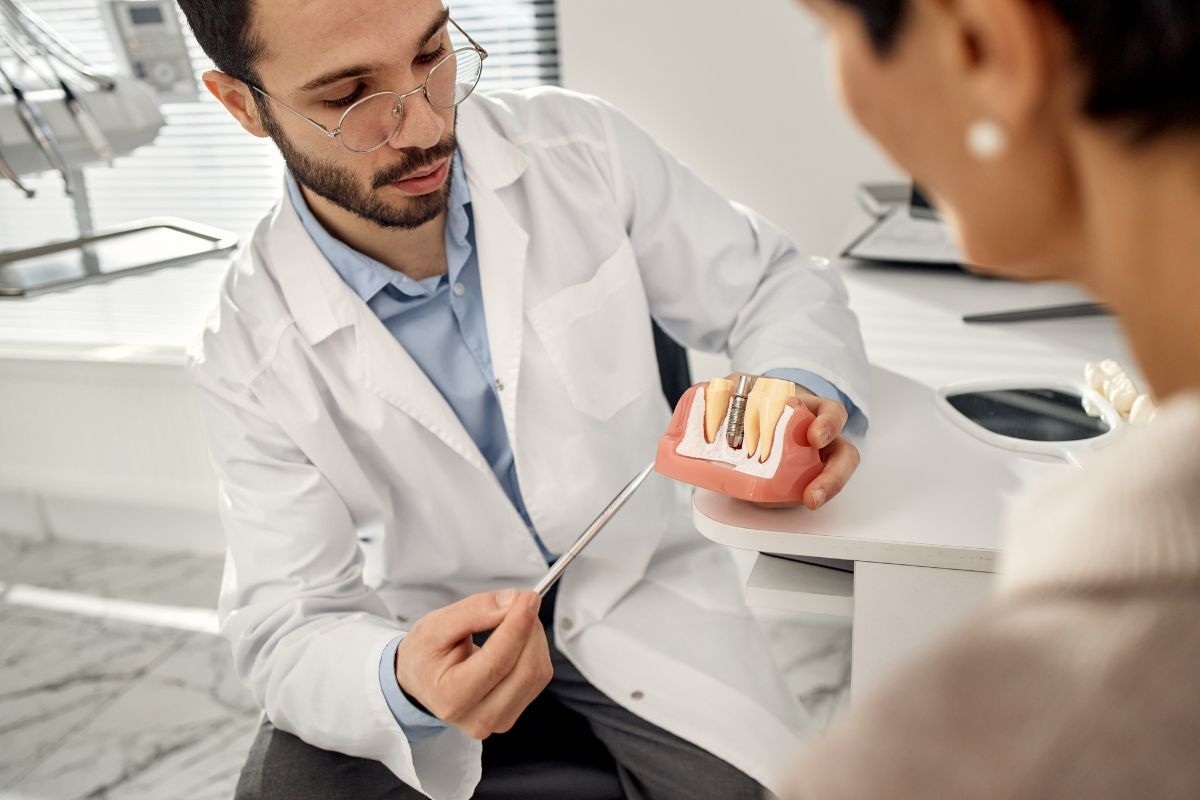
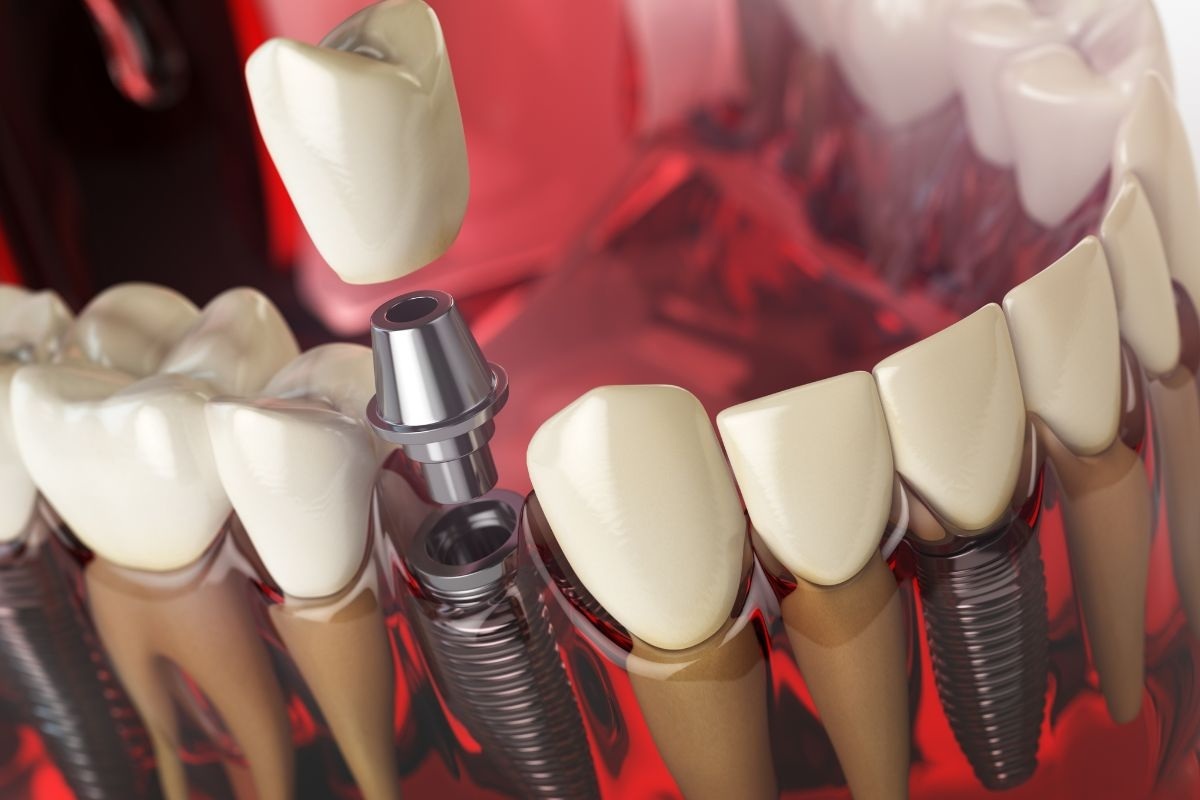
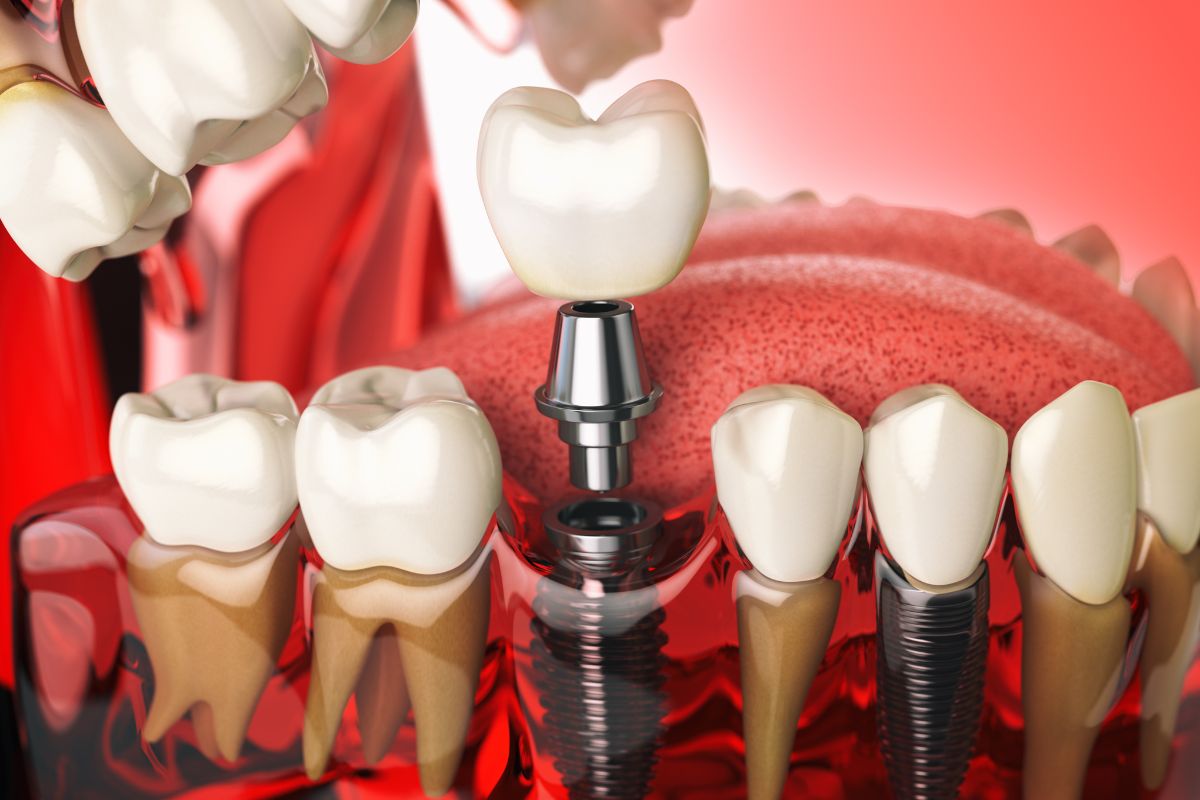
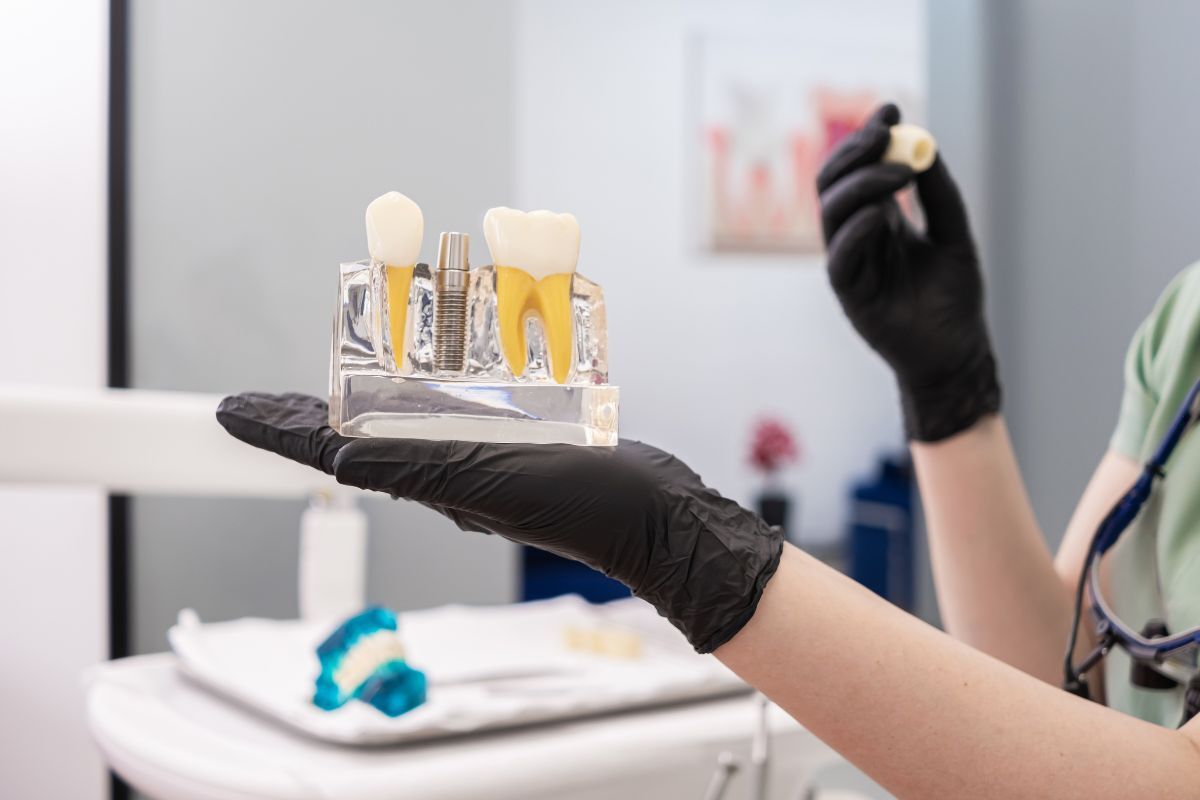
A dental implant is designed to replace the root of a missing tooth. The implant itself is typically a titanium post placed into the jawbone, with a replacement tooth attached to it. Because the restoration is intended to function as part of your smile, keeping the area clean is essential.
Even though an implant cannot develop a cavity in the same way a natural tooth can, plaque and tartar can still accumulate around the implant restoration. Poor cleaning can also contribute to problems involving the surrounding gum tissue.
The goal of dental implant care is simple: keep the implant area clean, maintain healthy gums, and catch potential problems early.
Dental implants can offer several advantages for people replacing missing teeth. Understanding the benefits of dental implants can help you have a more informed conversation with your dentist about whether implant treatment fits your needs.
1. Brush Your Dental Implants Every Day
One of the easiest ways to protect your implant is to maintain a consistent brushing routine.
Brush your teeth regularly using the technique and products recommended by your dentist. Pay attention to the areas around the implant and replacement tooth, where food particles and plaque can collect.
You do not need to think of your implant as something completely separate from the rest of your mouth. Your implant restoration should be included in your normal oral hygiene routine.
If you are unsure about how to brush around your specific restoration, ask your dental team to demonstrate the best approach.
2. Clean Between Your Teeth and Around the Implant
Brushing only cleans the surfaces that your toothbrush can reach. Cleaning between teeth is also important for removing debris and plaque from harder-to-reach areas.
Your dentist or hygienist can recommend the most appropriate way to clean around your implant. Depending on your restoration and individual needs, this may involve traditional floss or another cleaning aid.
The important point is consistency. Dental implant maintenance is not something you should only think about when the implant feels uncomfortable.
3. Keep Up With Professional Dental Cleanings
Home care is important, but professional dental care is an important part of implant maintenance too.
Dental implants can accumulate plaque and tartar just as natural teeth can. The dental implant service information from Pastrell, Buchanan and Hartzell General Dentistry recommends professional cleaning intervals based on the individual patient’s needs.
During routine visits, your dental team can examine the implant and surrounding tissues, monitor your oral health, and address concerns before they become more complicated.
Regular appointments are especially important if you have multiple implants or other dental conditions that require ongoing monitoring.
4. Pay Attention to Your Gums
Healthy gums are an important part of maintaining a dental implant.
When cleaning your teeth, take a moment to notice whether the gum tissue around the implant looks or feels different than usual. Persistent redness, swelling, tenderness, bleeding, or other changes should not simply be ignored.
These symptoms do not necessarily mean something is wrong with the implant, but they are reasons to contact your dentist and have the area evaluated.
5. Follow Your Dentist’s Post-Treatment Instructions
Immediately after implant treatment, your dentist may provide specific instructions about eating, brushing, cleaning, activity, and follow-up appointments.
Those instructions can vary depending on what treatment you received and where the implant was placed. For that reason, general online advice should never replace the instructions provided by your dental professional.
If your dentist gives you instructions that differ from general recommendations you find online, follow your dentist’s individualized guidance.
6. Avoid Treating the Implant Like a Tool
Dental implants are designed to restore normal oral function, but that does not mean they should be used to bite or open things that could damage a restoration.
Avoid using your teeth to open packages, tear materials, or perform similar tasks. Be mindful of particularly hard objects and foods if your dental team has advised you to avoid them.
If your implant restoration ever feels loose, uncomfortable, or different when you bite, contact your dentist rather than trying to adjust it yourself.
7. Don’t Skip Dental Visits Just Because Your Implant Feels Fine
One common misconception is that an implant does not need regular attention once treatment is complete.
In reality, ongoing maintenance remains important. Dental implants do not eliminate the need for routine dental care. Your natural teeth, gums, and implant restorations all benefit from continued monitoring.
Regular visits also give your dental team an opportunity to identify changes that you may not notice at home.
What Can Affect Long-Term Dental Implant Health?
Several factors can influence how well your implant and surrounding tissues remain healthy. These include:
- Daily oral hygiene
- Regular professional dental cleanings
- The health of your gums
- Your overall oral health
- Following post-treatment instructions
- Attending recommended follow-up appointments
- Addressing dental concerns promptly
Dental implant care is therefore less about a complicated routine and more about consistency.
When Should You Contact Your Dentist?
Contact your dental office if you notice a significant or persistent change involving your implant, particularly if you experience:
- Ongoing pain or discomfort
- Swelling around the implant
- Persistent bleeding
- A change in how your implant restoration fits or feels
- A loose-feeling restoration
- Difficulty chewing that was not present previously
- Other unusual changes around the implant
A dental professional can determine whether the change requires treatment or simply monitoring.
Dental Implant Care in Grants Pass, OR
For patients in Grants Pass and surrounding communities, maintaining an implant is part of protecting the investment you have made in your oral health.
Pastrell, Buchanan and Hartzell General Dentistry provides dental implant services that include implant maintenance and professional cleaning. The practice also uses digital technology, including digital X-rays, intraoral cameras, and Sirona GALILEOS CBCT imaging, as part of its broader approach to dental diagnosis and treatment planning.
The practice is located at 1050 SW Grandview Ave in Grants Pass, OR.
If you would like to learn more about the practice or explore feedback from people in the area, you can see patient reviews on Google.
Frequently Asked Questions
How often should dental implants be cleaned?
Dental implants should be included in your normal daily oral hygiene routine. Professional cleaning frequency depends on your individual oral health and the recommendations of your dental team.
Do dental implants need special toothpaste or a special toothbrush?
Not necessarily. Many patients can care for implants using their normal oral hygiene routine, but your dentist may recommend particular products or techniques based on your restoration and oral health.
Can dental implants get cavities?
The titanium implant itself does not develop tooth decay like a natural tooth. However, the tissues around an implant still require careful cleaning and professional monitoring.
What happens if I don’t clean my dental implant?
Plaque and tartar can accumulate around implants just as they can around natural teeth. Inadequate cleaning may contribute to problems affecting the surrounding gums and tissues, which is why regular home care and professional maintenance are important.
How long can dental implants last?
The longevity of a dental implant depends on factors such as oral hygiene, overall oral health, the condition of the surrounding tissues, and ongoing maintenance. Proper care and regular professional monitoring can help support long-term implant health.
Protect Your Investment With Consistent Dental Implant Care
Dental implant care does not have to be complicated. The foundation is a consistent routine: brush regularly, clean between your teeth, maintain healthy gums, attend professional cleanings, and keep your recommended dental appointments.
Most importantly, do not ignore changes around an implant. Prompt professional evaluation can help determine what is happening and whether any treatment is needed.
If you have a dental implant or are considering replacing a missing tooth, Pastrell, Buchanan and Hartzell General Dentistry can help you understand your options and develop care based on your individual needs. Contact the Grants Pass dental office at +1 5415798236 to schedule an appointment.