
How to Care for Your Dental Crown After Placement
Getting a dental crown is an excellent way to restore a damaged or weakened tooth, but your treatment doesn’t end when you leave the dental office. Proper dental crown care plays a major role in protecting your investment and helping your restoration last for many years.
If you’ve recently received a crown in Grants Pass, OR, or you’re planning treatment soon, understanding how to care for it can help you avoid unnecessary repairs or replacements. Whether you’re eating your favorite foods or maintaining your daily oral hygiene routine, a few simple habits can make all the difference. If you’re considering a dental crown in Grants Pass, your dentist can also provide personalized aftercare instructions based on your unique smile.
Quick Answer
Dental crown care involves brushing twice daily, flossing carefully around the crown, avoiding hard or sticky foods immediately after placement, wearing a nightguard if you grind your teeth, and scheduling regular dental checkups. With proper care, many dental crowns can last 10-15 years or even longer.
Why Is Dental Crown Care Important?
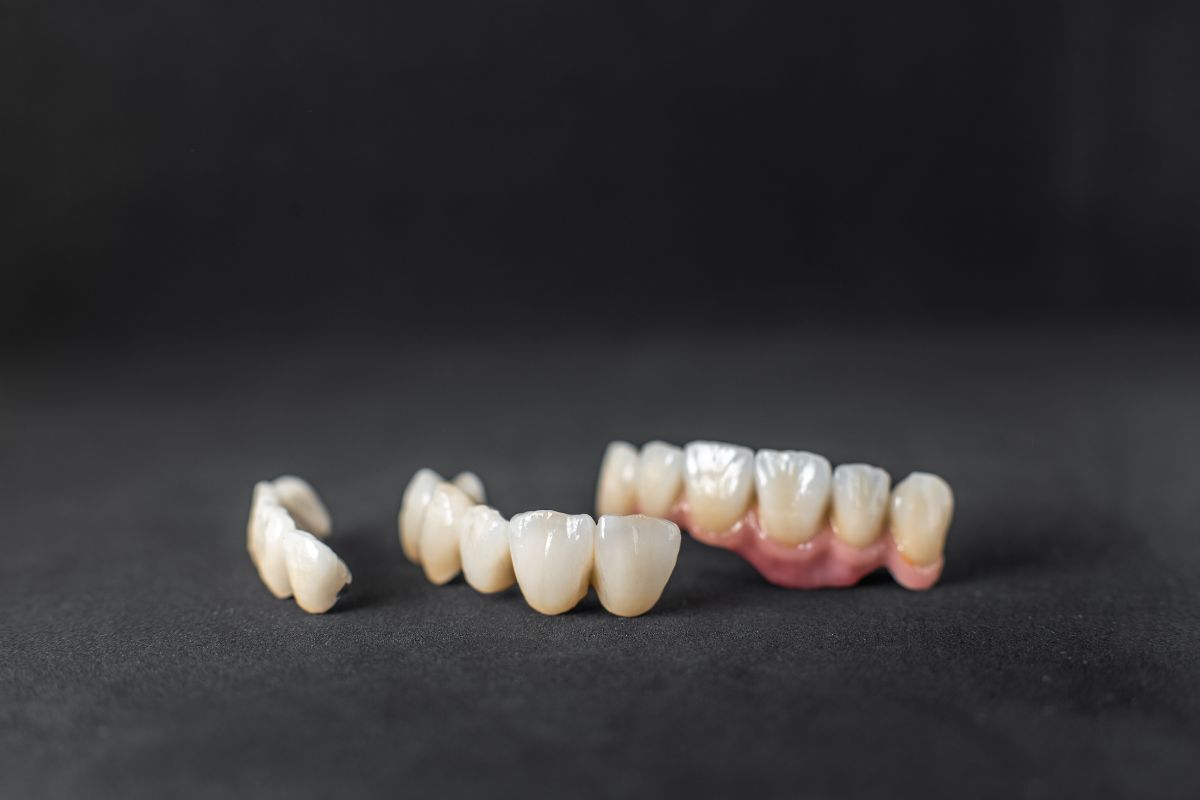
A dental crown protects a damaged tooth by covering it with a durable, custom-made restoration. While crowns are made from strong materials like porcelain or ceramic, they still require routine maintenance.
Good dental crown care helps:
- Protect the tooth underneath the crown
- Prevent gum disease around the restoration
- Reduce the risk of decay near the crown margins
- Keep your bite comfortable and functional
- Extend the life of your restoration
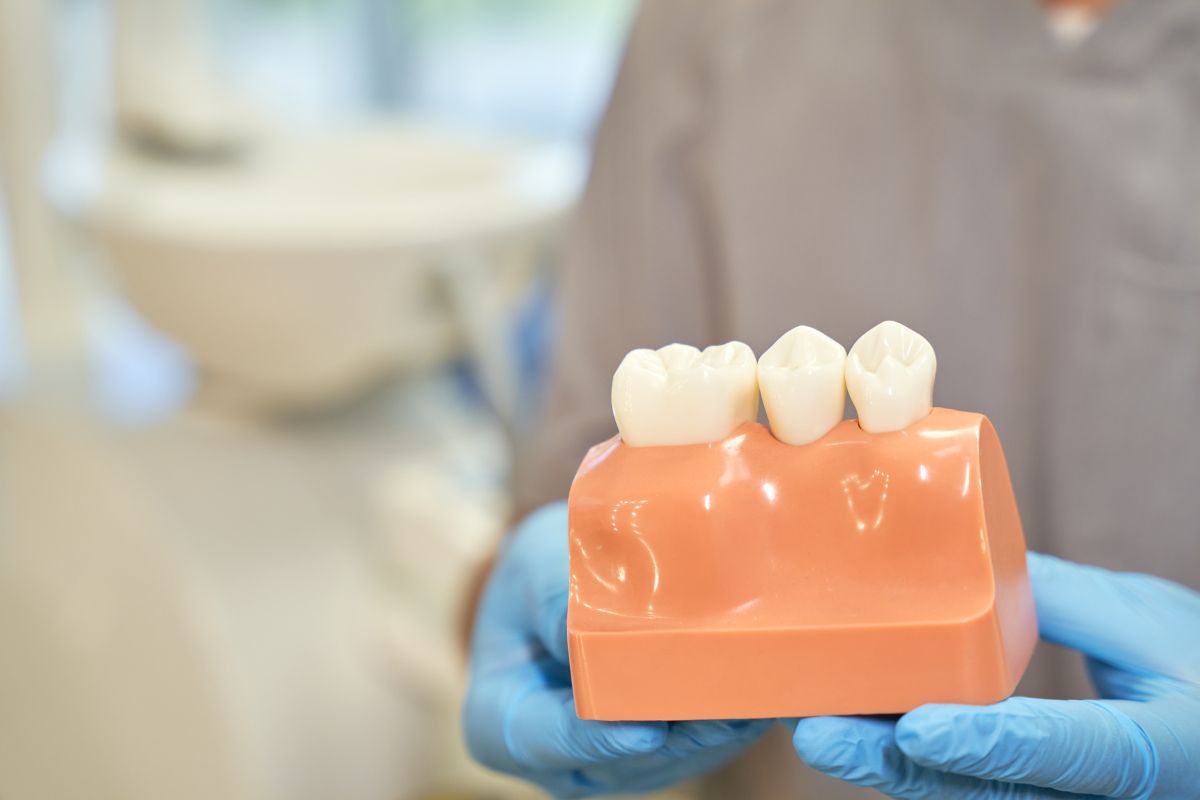
Remember, while the crown itself cannot develop cavities, the natural tooth beneath it still can.
What Should You Expect After Crown Placement?
It’s completely normal to notice mild sensitivity for a few days after your appointment. Some patients also experience slight discomfort when biting as their mouth adjusts.
Common temporary symptoms include:
- Mild sensitivity to hot or cold foods
- Tender gums around the treated tooth
- Minor soreness after the anesthesia wears off
These symptoms usually improve within several days. However, if pain becomes severe or your bite feels uneven, contact your dentist promptly.
Daily Dental Crown Care Tips
Brush Carefully Every Day
Brush your teeth twice daily using a soft-bristled toothbrush and fluoride toothpaste. Pay extra attention to the gumline surrounding your crown where plaque tends to accumulate.
Avoid aggressive brushing, which may irritate your gums over time.
Floss Without Skipping
Many people worry that flossing could loosen a crown. In reality, daily flossing is essential.
Slide the floss gently between your teeth and pull it out sideways rather than snapping it upward if your dentist recommends that technique.
Choose Tooth-Friendly Foods
For the first 24 hours after placement, especially if temporary cement was used, stick with softer foods.
Try to limit:
- Ice chewing
- Hard candies
- Popcorn kernels
- Sticky caramel
- Very chewy foods
Once your permanent crown is securely bonded, you can enjoy most foods while still using common sense to avoid unnecessary stress on the restoration.
Wear a Nightguard If You Grind Your Teeth
Teeth grinding, also called bruxism, places significant pressure on dental crowns.
If you clench or grind while sleeping, your dentist may recommend a custom nightguard to protect both your crown and your natural teeth.
Habits That Can Damage a Dental Crown
Even durable crowns have limits.
Avoid using your teeth to:
- Open packages
- Bite fingernails
- Crack nuts
- Hold objects
- Chew on pens or pencils
These habits increase the risk of chips, cracks, or crown failure.
When Should You Call Your Dentist?
Although problems are uncommon, you should schedule an appointment if you notice:
- Persistent pain lasting more than a few days
- A loose or moving crown
- A cracked or chipped restoration
- Swollen or bleeding gums around the crown
- Difficulty biting comfortably
- Food consistently getting trapped around the crown
Prompt treatment often prevents more extensive dental work later.
How Long Does a Dental Crown Last?
One of the most common questions patients ask is how long a crown will last.
While every situation is different, many crowns remain functional for 10 to 15 years or longer with proper dental crown care. If you’d like a more detailed look at the factors that affect crown longevity, read our guide on how long do dental crowns last.
Several factors affect longevity, including:
- Oral hygiene habits
- Diet
- Teeth grinding
- Routine dental visits
- Overall oral health
Consistent preventive care gives your restoration the best chance of lasting for many years.
Can You Eat Normally with a Dental Crown?
Yes. Once your permanent crown is securely bonded and any initial sensitivity has resolved, you can return to your regular diet.
However, dentists generally recommend avoiding extremely hard foods that could damage both natural teeth and dental restorations. Eating a balanced diet also supports healthy gums and strong teeth.
Why Choose Pastrell, Buchanan and Hartzell General Dentistry in Grants Pass?
Choosing the right dental team is just as important as choosing the right treatment.
At Pastrell, Buchanan and Hartzell General Dentistry, patients receive personalized dental care designed around their individual needs. The team combines modern technology with compassionate care to create comfortable treatment experiences for patients throughout Grants Pass and nearby communities.
Patients appreciate the practice because of its:
- Experienced dental professionals
- Comprehensive restorative services
- Digital imaging and modern dental technology
- Comfortable, patient-focused environment
- Personalized treatment recommendations
- Commitment to long-term oral health
Whether you need your first dental crown or ongoing preventive care, the practice focuses on helping you maintain a healthy, confident smile close to home.
See What Local Patients Are Saying
Want to stay informed about helpful dental tips, office updates, and experiences from local patients? Visit our Google Business Profile to explore recent posts, patient reviews, and practice updates before scheduling your next appointment.
Conclusion
Proper dental crown care is one of the easiest ways to protect your restored tooth and maintain a healthy smile for years to come. Daily brushing, flossing, smart food choices, and regular dental checkups all contribute to the long-term success of your crown.
If you have questions about caring for your restoration or think you may need a dental crown, the team at Pastrell, Buchanan and Hartzell General Dentistry is here to help patients throughout Grants Pass with personalized, high-quality dental care.
Call +1 5415798236 today to schedule your appointment and keep your smile healthy and strong.
Frequently Asked Questions
How do I clean my dental crown?
Can a dental crown get a cavity?
How long should I wait before eating after getting a crown?
Is it normal for a dental crown to feel sensitive?
What foods should I avoid with a dental crown?