

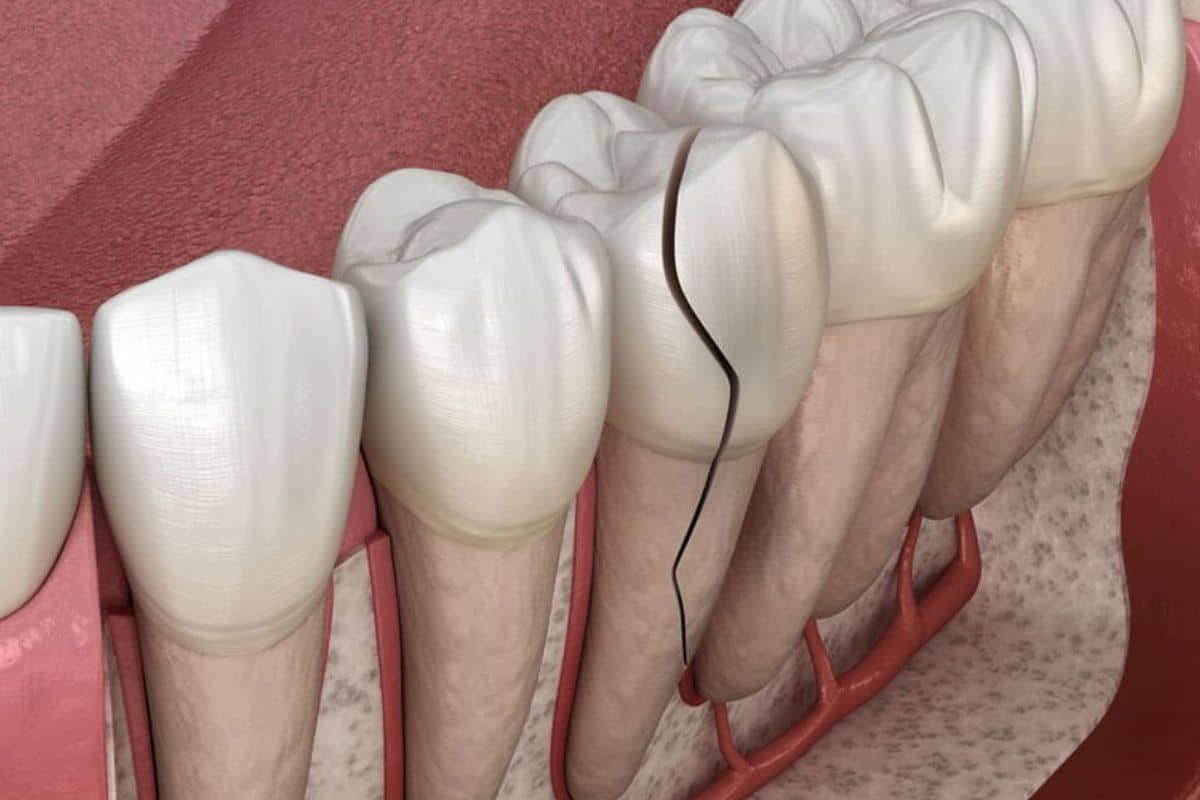
How Urgent Is Your Badly Cracked Tooth?
A cracked tooth can be more than just uncomfortable—it can be a dental emergency. Whether it happens due to biting on something hard, an accident, or wear and tear, a cracked tooth requires prompt attention. But how urgent is it really? Understanding the severity of the crack and the potential consequences of ignoring it can help you make informed decisions.
In this blog, we’ll explore the different types of cracked teeth, the signs you should watch for, and why some cracks need immediate dental care while others may not.
Types of Cracked Teeth: Understanding Severity
Cracks in teeth can vary in depth, length, and location, and each type of crack requires different levels of care. Here’s a breakdown of the most common types:
1. Craze Lines
- What They Are: Craze lines are superficial cracks that only affect the outer enamel. They are typically painless and don’t pose any threat to the tooth’s health.
- Urgency Level: Not urgent. Craze lines are considered cosmetic and usually don’t require treatment unless they become aesthetically concerning.
2. Fractured Cusp
- What It Is: A fractured cusp occurs when a piece of the chewing surface breaks off, often around a filling. The break doesn’t usually extend to the tooth’s pulp (where the nerves are), so it may not cause significant pain.
- Urgency Level: Moderate. While this type of crack doesn’t always cause pain, it does require dental treatment to restore the tooth and prevent further damage.
3. Cracked Tooth
- What It Is: A crack that runs vertically down the tooth, sometimes extending into the pulp. This type of crack can cause intermittent pain, especially when chewing or when the tooth is exposed to temperature changes.
- Urgency Level: Urgent. If untreated, the crack can worsen, leading to infection or tooth loss. Early intervention is crucial to save the tooth.
4. Split Tooth
- What It Is: A split tooth occurs when a crack splits the tooth into two distinct parts. This usually happens when a cracked tooth is left untreated, and the damage becomes severe.
- Urgency Level: Critical. A split tooth often requires extraction. Immediate dental care is necessary to minimize pain and explore treatment options.
5. Vertical Root Fracture
- What It Is: A vertical root fracture starts at the root of the tooth and moves upward. It’s often difficult to detect and may only be identified through symptoms like gum infection or bone loss around the tooth.
- Urgency Level: Critical. This type of crack almost always results in tooth loss. Prompt treatment is necessary to prevent infection and further complications.
Signs That Your Cracked Tooth Needs Urgent Attention
While some cracks may not cause immediate discomfort, others can quickly escalate into dental emergencies. Here are key symptoms that indicate your cracked tooth needs immediate attention:
- Sharp Pain When Chewing or Biting
- If you feel sudden, sharp pain when you apply pressure on the tooth, it’s a sign that the crack is affecting the deeper layers of the tooth. This could indicate a cracked tooth that requires urgent repair.
- Sensitivity to Hot or Cold
- Increased sensitivity to temperature changes (hot or cold food and drinks) is a sign that the crack may be reaching the nerves inside the tooth.
- Pain That Comes and Goes
- A cracked tooth may cause intermittent pain, especially when chewing or when exposed to certain stimuli. This pain often signals that the crack is advancing toward the pulp, where the nerves are.
- Swollen Gums Around the Affected Tooth
- Swelling around the tooth can indicate that the crack has allowed bacteria to enter, leading to infection. This is a serious complication that needs immediate treatment to prevent the spread of infection.
- Visible Crack or Damage
- If you can see a crack or a broken piece of the tooth, it’s important to seek dental care as soon as possible. Even if the crack seems minor, it could worsen with time, leading to more extensive damage.
Why Treating a Cracked Tooth is Urgent
Ignoring a cracked tooth can have serious consequences for your oral health. Here’s why it’s important to seek timely treatment:
1. Prevent Further Damage
- A small crack can quickly become a larger one if left untreated. Everyday activities like chewing can cause the crack to deepen, eventually reaching the tooth’s pulp, which can result in infection and severe pain.
2. Avoid Infection
- A crack that exposes the pulp increases the risk of bacteria entering the tooth. This can lead to an infection, abscess formation, and even bone loss if not treated promptly.
3. Save Your Tooth
- The earlier you address a cracked tooth, the better the chances of saving it. In many cases, a dentist can use treatments like bonding, a crown, or a root canal to repair the tooth and prevent the need for extraction.
4. Prevent Pain and Discomfort
- A cracked tooth may cause significant pain, especially when the crack extends to the nerves. Treating the tooth early can prevent you from experiencing prolonged discomfort.
Treatment Options for a Cracked Tooth
Your dentist will recommend a treatment plan based on the type and severity of the crack. Here are common treatment options:
1. Bonding
- For minor cracks, your dentist may use a tooth-colored resin to fill the crack and restore the tooth’s shape and function.
2. Crown
- If the crack is more severe, a dental crown may be placed over the tooth to protect it and prevent the crack from worsening. A crown can also help relieve pain from chewing.
3. Root Canal
- If the crack reaches the pulp and causes infection, a root canal may be necessary to remove the damaged tissue and save the tooth. Afterward, a crown will be placed to protect the tooth.
4. Extraction
- In cases of a split tooth or a vertical root fracture, the tooth may be beyond repair and require extraction. Your dentist will discuss replacement options, such as a dental implant or bridge.
When to Call Your Dentist
If you suspect you have a cracked tooth, it’s important to call your dentist as soon as possible. Even if the crack seems small or you’re not experiencing pain, it’s best to have it evaluated to prevent future complications.
Here’s when to call your dentist:
- You notice a visible crack in your tooth.
- You experience pain or sensitivity when chewing or biting.
- You have persistent tooth sensitivity to hot or cold.
- Your gums are swollen or tender around the cracked tooth.
Conclusion
A cracked tooth can be a serious dental issue, depending on the type and severity of the crack. While some cracks may not require urgent care, others can quickly lead to infection, pain, and tooth loss if left untreated. It’s essential to seek dental advice as soon as possible if you suspect you have a cracked tooth. Early intervention can save your tooth and prevent more significant problems down the road.
If you’re experiencing discomfort or think you might have a cracked tooth, don’t wait—schedule an appointment with your dentist to assess the situation and receive appropriate treatment.