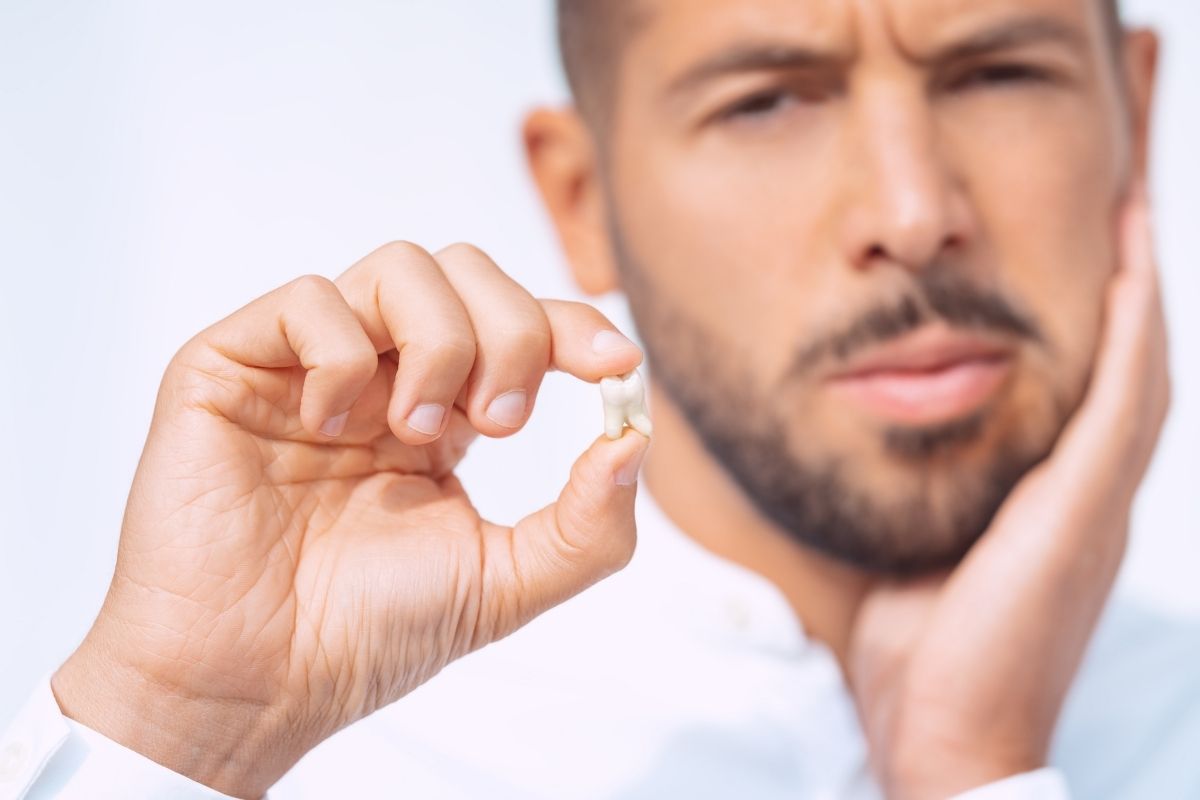


I Have Sensitive Teeth. What Are My Options?
Do you ever wince when sipping hot coffee or feel a sharp twinge when biting into ice cream? If so, you’re not alone. Tooth sensitivity is a common dental issue that affects millions of people, and while it can be uncomfortable, it’s also highly treatable. The key is identifying the cause and choosing the right solution.
In this blog, we’ll explore what causes sensitive teeth, the available treatment options, and how you can prevent sensitivity from worsening over time.
What Is Tooth Sensitivity?
Tooth sensitivity—also called dentin hypersensitivity—is a condition where the teeth react strongly to stimuli such as hot, cold, sweet, or acidic foods and drinks. Some people also experience discomfort while brushing or flossing. This sensitivity usually occurs when the protective enamel layer is worn down or when gum recession exposes the softer, inner part of the tooth called dentin.
Common Causes of Tooth Sensitivity
Understanding why your teeth are sensitive is the first step to finding relief. Here are some of the most common culprits:
1. Enamel Erosion
Acidic foods and drinks, such as citrus fruits, sodas, and wine, can erode your enamel over time, exposing the dentin underneath.
2. Gum Recession
Gums can recede due to aging, overbrushing, or gum disease, leaving the roots of the teeth exposed and unprotected.
3. Tooth Decay or Cracked Teeth
Cavities and cracks in teeth can reach the dentin or pulp, triggering pain and sensitivity.
4. Grinding or Clenching
Chronic grinding (bruxism) can wear down enamel and cause tooth sensitivity.
5. Post-Dental Treatment Sensitivity
It’s not uncommon to experience temporary sensitivity after procedures like fillings, crowns, or teeth whitening.
Treatment Options for Sensitive Teeth
Fortunately, there are many ways to manage and treat sensitive teeth, depending on the cause and severity of your condition. Here are your best options:
1. Desensitizing Toothpaste
These over-the-counter toothpastes contain compounds like potassium nitrate or stannous fluoride that block pain signals from the tooth to the nerve. With regular use, they can significantly reduce sensitivity.
Tip: Use a soft-bristled toothbrush and don’t rinse after brushing to allow the active ingredients to work longer.
2. Fluoride Treatments
Your dentist may apply fluoride gel, varnish, or foam to strengthen enamel and reduce sensitivity. There are also prescription-strength fluoride toothpastes available for at-home use.
3. Dental Bonding or Sealants
For areas of exposed root or worn enamel, your dentist can apply a tooth-colored resin to cover sensitive areas and protect them from further irritation.
4. Gum Grafting
If gum recession is causing your sensitivity, a surgical gum graft can cover the exposed roots and prevent further damage.
5. Root Canal Therapy
In severe cases where sensitivity is due to deep decay or nerve involvement, a root canal may be necessary. This procedure removes the nerve and pulp, eliminating the source of pain altogether.
6. Mouthguards for Grinding
If you grind your teeth at night, wearing a custom-fitted mouthguard can prevent enamel wear and ease sensitivity over time.
Lifestyle Changes and Home Remedies
In addition to dental treatments, simple lifestyle changes can help manage and even prevent tooth sensitivity:
● Switch to a Soft-Bristled Toothbrush
Hard bristles can damage enamel and gums. A soft brush is gentle yet effective.
● Avoid Acidic and Sugary Foods
Cut back on citrus fruits, sodas, and sweets that can erode enamel.
● Practice Proper Brushing Techniques
Use a gentle, circular motion rather than vigorous back-and-forth scrubbing.
● Limit Teeth Whitening Products
Over-the-counter whitening products can aggravate sensitivity. Talk to your dentist about safer alternatives.
● Stay Hydrated
Drinking water helps wash away acids and maintain saliva flow, which is important for protecting your teeth.
When to See a Dentist
Tooth sensitivity shouldn’t be ignored—especially if the pain is sudden, intense, or persistent. It could be a sign of a more serious issue like decay, infection, or a cracked tooth. Schedule an appointment with your dentist if:
- Sensitivity lasts more than a few days
- You notice swelling or signs of infection
- Pain interferes with eating or drinking
- You see visible damage or discoloration on a tooth
Early intervention can prevent minor issues from turning into major dental problems.
Relief Is Within Reach
Living with sensitive teeth can be frustrating, but the good news is that you have a wide range of treatment options—many of which are simple and affordable. From desensitizing toothpaste to professional dental procedures, there’s something that can help every level of sensitivity.
If you are experiencing tooth sensitivity, give us a call today so that Pastrell, Buchanan and Hartzell General Dentistry can provide you with some much-needed relief!