

Is Sedation Dentistry Safe? What You Need to Know Before Your Appointment
For many patients, the thought of visiting the dentist can bring about feelings of anxiety and fear. Whether it’s mild nervousness or an intense phobia, dental anxiety can make it challenging to get the care needed for a healthy smile. Sedation dentistry offers a solution by helping patients relax during their procedures. However, many patients wonder about the safety of sedation and whether it’s the right choice for them. In this blog, we’ll explore what sedation dentistry entails, the safety measures in place, and how to prepare for a safe experience.
What Is Sedation Dentistry?
Sedation dentistry uses medication to help patients relax during dental procedures. It’s also sometimes referred to as “sleep dentistry,” though patients are usually awake and responsive under most levels of sedation, except for general anesthesia. The sedation level chosen depends on the patient’s anxiety level, the procedure’s complexity, and the dentist’s recommendations. Here’s a quick look at the types of sedation commonly used in dental settings:
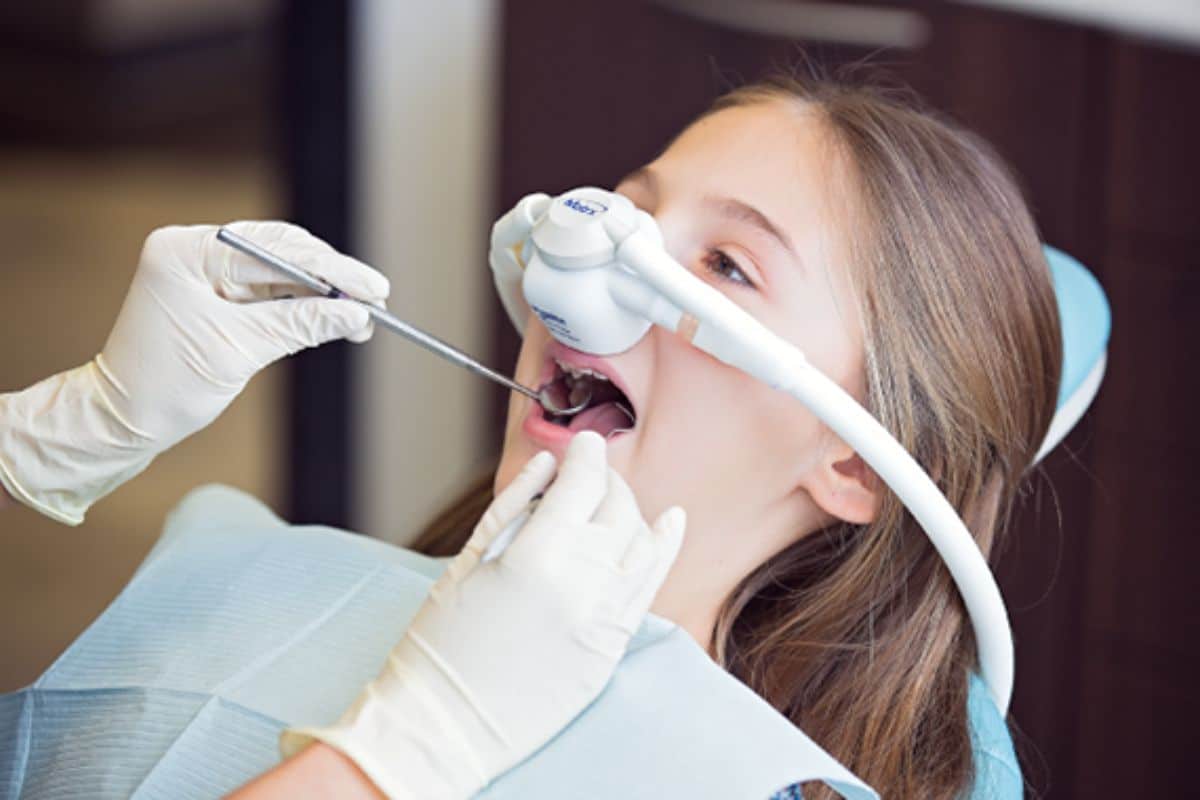
- Nitrous Oxide (Laughing Gas): A mild form of sedation that keeps patients calm and comfortable. It wears off quickly, allowing patients to drive themselves home after the procedure.
- Oral Sedation: Involves taking a pill, such as diazepam, before the procedure to create a more profound relaxation. Patients typically stay awake but feel groggy and relaxed.
- IV Sedation: Administered directly into the bloodstream, IV sedation provides a moderate to deep level of relaxation. Patients may have limited memory of the procedure.
- General Anesthesia: Used in rare, extensive dental procedures, this is the deepest level of sedation, rendering patients completely unconscious. It’s usually performed in a hospital or specialized dental setting.
Is Sedation Dentistry Safe?
Yes, sedation dentistry is considered safe for most patients when administered by trained dental professionals. Dentists undergo specific training in sedation methods and follow strict safety protocols to minimize risks. Here are some key safety factors that make sedation dentistry a safe option for many patients:
1. Rigorous Training and Certification
Dentists who offer sedation services are required to complete specialized training in sedation techniques, monitoring, and emergency response. They learn how to administer different types of sedation and are certified to do so. Many states also require licensing for sedation dentistry, ensuring that only qualified professionals can perform these procedures.
2. Pre-Screening and Assessment
Before sedation, your dentist will conduct a comprehensive health assessment to ensure you’re a suitable candidate. This includes reviewing your medical history, current medications, and any underlying health conditions that might impact sedation. Patients with certain medical conditions, such as respiratory issues, severe obesity, or sleep apnea, may need extra precautions or alternative sedation options.
3. Careful Monitoring During Procedures
During sedation, your dentist or a trained dental professional will closely monitor vital signs, including blood pressure, heart rate, oxygen levels, and breathing patterns. In IV sedation and general anesthesia cases, additional monitoring equipment may be used to ensure that all signs remain within a safe range. This constant observation helps detect and address any issues immediately if they arise.
4. Proper Dosing for Individual Needs
Sedation levels are tailored to each patient’s needs, based on factors like age, weight, health status, and anxiety level. Dentists follow dosing guidelines to administer the appropriate amount of sedative for the individual, ensuring a balance between comfort and safety. With each type of sedation, careful control over dosage minimizes the risk of side effects.
5. Emergency Preparedness
While complications are rare, trained sedation dentists are prepared to manage any unexpected situations. They’re equipped with emergency medications, oxygen, and necessary equipment to respond to adverse reactions if needed. Dentists and their teams also regularly review emergency protocols and are trained in resuscitation techniques, adding an extra layer of safety.
Potential Risks and Side Effects
As with any medical procedure, sedation dentistry carries some minor risks and side effects. However, these risks are low and manageable when the sedation is performed by a qualified professional. Common, mild side effects include:
- Drowsiness or grogginess: Patients may feel sleepy or groggy after certain types of sedation, especially oral and IV sedation.
- Nausea: Some patients experience mild nausea after sedation, particularly with nitrous oxide or oral sedatives.
- Dry mouth or sore throat: A common side effect for those receiving IV sedation or general anesthesia.
Rare but more serious risks may include breathing difficulties, allergic reactions, or lowered blood pressure. These complications are exceedingly rare and often mitigated by proper pre-screening, monitoring, and adherence to safety protocols.
Preparing for a Safe Sedation Experience
If you’re considering sedation dentistry, a few preparation steps can help ensure a safe and comfortable experience:
- Share Your Full Medical History: Be transparent about any health conditions, allergies, medications, and past reactions to sedatives or anesthesia.
- Follow Pre-Procedure Instructions: Your dentist may advise you to avoid food or drinks for a few hours before the procedure. Follow these instructions to prevent complications.
- Arrange Transportation: For oral, IV sedation, or general anesthesia, you’ll need someone to drive you home as the sedative effects can linger for a few hours.
- Dress Comfortably and Relax: Wear loose, comfortable clothing and avoid wearing jewelry or heavy makeup. Being comfortable will help reduce any anxiety before the procedure.
Who Should Avoid Sedation Dentistry?
Sedation dentistry is generally safe, but it may not be suitable for everyone. Patients with certain health conditions, such as uncontrolled hypertension, respiratory issues, or heart problems, may need to consult their physician before undergoing sedation. Pregnant patients, individuals with severe allergies to sedative medications, and those with specific psychological conditions may also be advised to avoid sedation.
Your dentist will guide you on whether sedation dentistry is right for you and will take the necessary steps to minimize any potential risks.
A Safe Solution for a Comfortable Experience
For many people, sedation dentistry is a safe, effective way to reduce anxiety and discomfort during dental procedures. With rigorous training, individualized dosing, careful monitoring, and emergency preparedness, sedation dentistry provides a comfortable experience for patients who may otherwise avoid essential dental care. As always, open communication with your dentist and following recommended guidelines will ensure a safe, anxiety-free visit.
If you’re considering sedation dentistry and have questions or concerns, your dentist will be happy to provide guidance and help you decide if it’s the best option for you. A relaxed, confident dental experience is within reach, thanks to the safety and reliability of modern sedation dentistry techniques.