

Natural Teeth Whitening Remedies: What Works and What Doesn’t
A bright, white smile is something many people desire—but not everyone wants to use chemical-based whitening treatments. As a result, natural teeth whitening remedies have gained popularity online and through word of mouth. From baking soda to charcoal and even strawberries, the list of DIY options is long. But how many of these methods are safe and actually effective?
In this blog, we’ll explore what natural teeth whitening remedies work, which ones don’t live up to the hype, and how to safely brighten your smile without harming your enamel.
Why Do Teeth Get Discolored?
Before diving into remedies, it’s important to understand why teeth become stained in the first place. Common causes include:
- Food and drinks like coffee, tea, red wine, and soda
- Tobacco use
- Aging, which thins enamel and reveals more dentin underneath
- Poor oral hygiene
- Medications (like tetracycline)
- Genetics
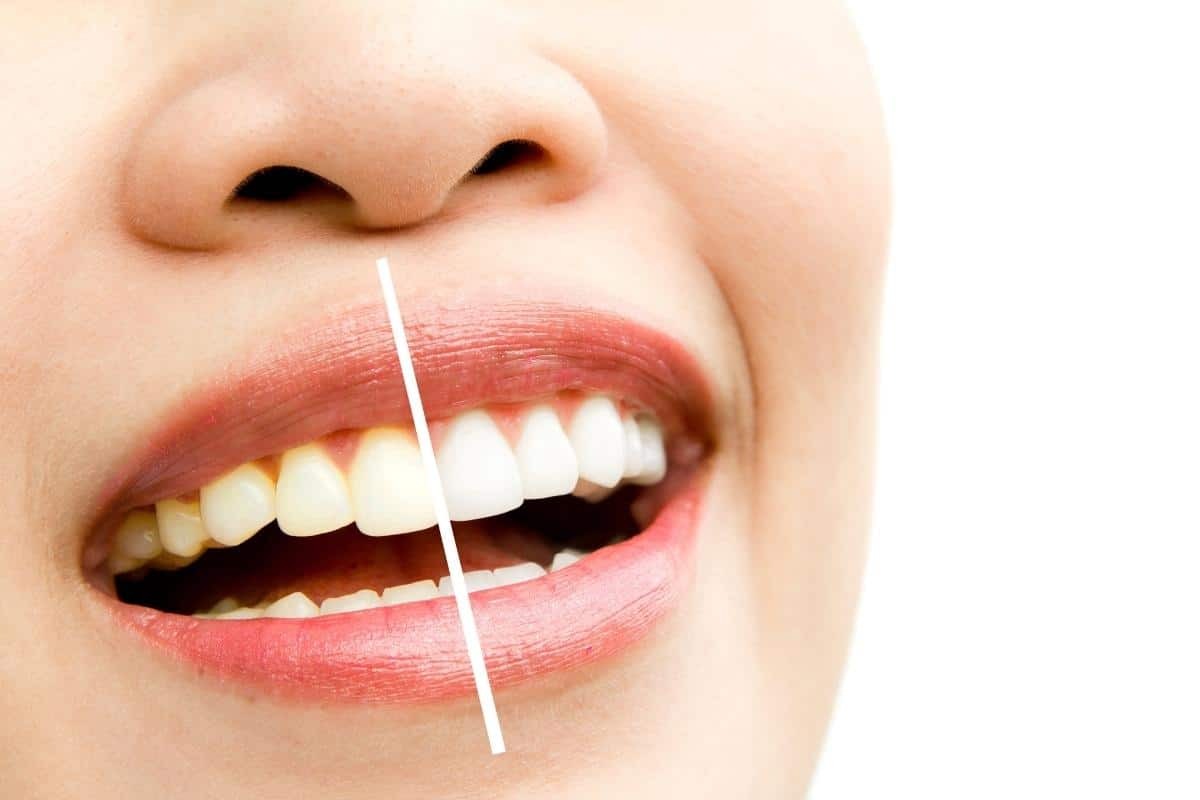
Surface stains can often be improved with good oral hygiene or mild whitening methods, while deeper, intrinsic stains may require professional treatment.
Natural Remedies That May Work (with Caution)
Here are some natural remedies that have shown some effectiveness—but must be used carefully to avoid damaging your teeth.
1. Baking Soda
How it works: Baking soda is mildly abrasive and can help scrub away surface stains. It also creates an alkaline environment that may reduce bacteria in the mouth.
How to use it: Mix a small amount of baking soda with water to form a paste and brush your teeth with it 2–3 times per week.
Pros:
- Affordable and widely available
- Mild abrasive that can help with surface stains
Cons:
- Overuse can wear down enamel
- Won’t change intrinsic discoloration
Verdict: Works for surface stains when used sparingly, but not a substitute for professional whitening.
2. Hydrogen Peroxide (Low Concentration)
How it works: Hydrogen peroxide is a bleaching agent used in many whitening products. It can whiten teeth by breaking down stain molecules.
How to use it: Some people dilute hydrogen peroxide with water and use it as a mouthwash for a few seconds.
Pros:
- Scientifically proven whitening agent
- Affordable
Cons:
- Overuse or high concentrations can cause tooth sensitivity or gum irritation
- Not ideal for daily use
Verdict: Mildly effective in low concentrations, but best left to professional supervision.
3. Oil Pulling (Coconut Oil)
How it works: Oil pulling involves swishing oil (typically coconut oil) in your mouth for 10–20 minutes to remove bacteria and toxins.
Pros:
- May improve oral hygiene
- Gentle and non-abrasive
Cons:
- No strong evidence it whitens teeth
- Time-consuming
Verdict: Good for oral health but minimal whitening effect.
Popular Natural Remedies That Don’t Work (or May Harm Your Teeth)
Some remedies may sound promising but are ineffective or downright harmful.
1. Activated Charcoal
Claim: Absorbs toxins and removes stains from the teeth.
Reality: Charcoal is abrasive and can wear down enamel. It may remove surface stains initially, but over time it can cause tooth damage and increased yellowing due to enamel erosion.
Verdict: Avoid. Risk outweighs any short-term benefit.
2. Apple Cider Vinegar (ACV)
Claim: Whitens teeth and kills bacteria.
Reality: ACV is highly acidic and can erode enamel, making teeth more sensitive and vulnerable to decay.
Verdict: Avoid. Damaging to enamel with little whitening benefit.
3. Fruits Like Strawberries and Lemons
Claim: The acids and vitamin C in these fruits can whiten teeth naturally.
Reality: While strawberries contain malic acid, which may help remove surface stains, their sugar and acid content can erode enamel. Lemon juice is even more acidic and very damaging over time.
Verdict: Avoid frequent use. Acidic fruits can weaken enamel and increase sensitivity.
Safer Natural Practices to Keep Your Teeth White
Rather than using harsh or ineffective remedies, consider these safe and sustainable habits:
1. Maintain Good Oral Hygiene
Brush at least twice a day, floss daily, and use mouthwash to keep plaque and stains at bay.
2. Drink Staining Beverages Through a Straw
This reduces contact between your teeth and stain-causing drinks like coffee, tea, and soda.
3. Rinse with Water After Meals
This helps wash away food particles and reduces the chance of stains setting in.
4. Eat Crunchy Fruits and Veggies
Apples, carrots, and celery act like natural toothbrushes and can help scrub away plaque.
5. Get Regular Dental Cleanings
Professional cleanings remove tartar and plaque that regular brushing can’t, helping keep your teeth bright.
Why Professional Whitening Might Still Be the Best Option
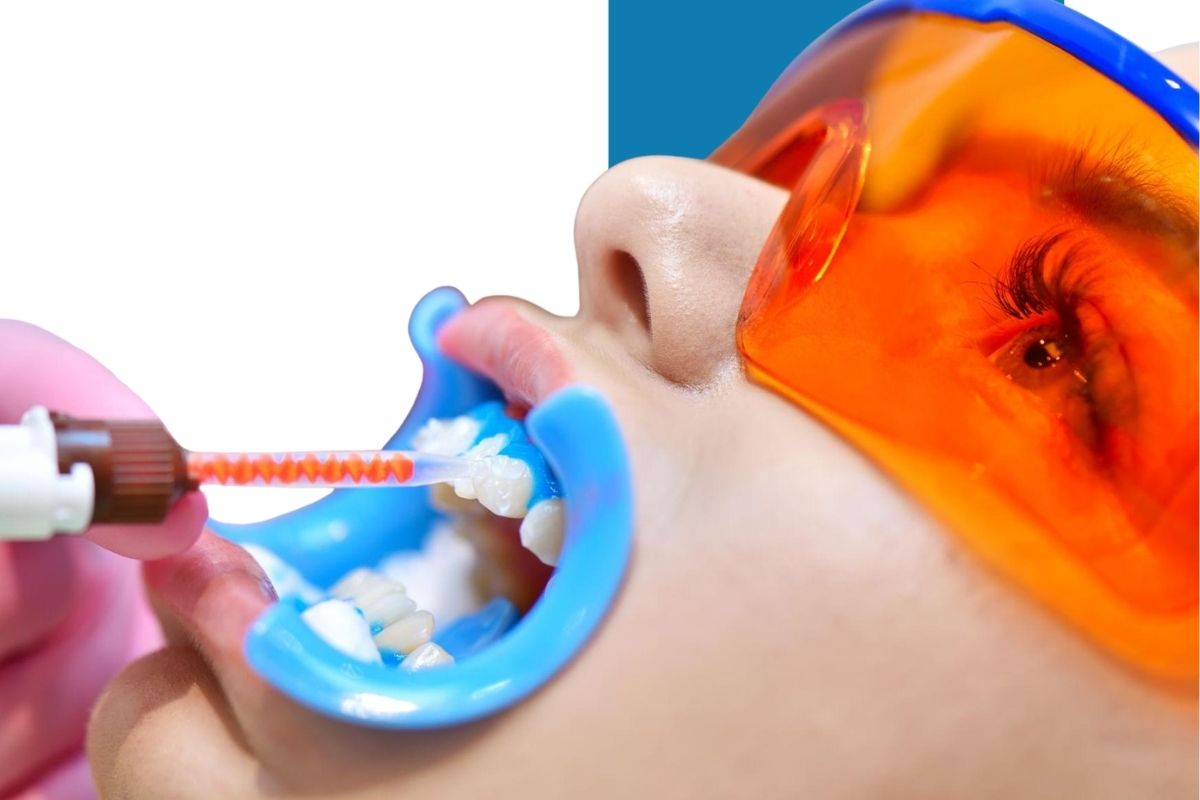
Natural methods may offer minor improvements in surface stains, but they can’t match the results of professional whitening treatments. Dentists use safe, controlled concentrations of bleaching agents to deliver faster and more noticeable results—with custom options to reduce sensitivity and avoid damage.
Benefits of Professional Whitening:
- Quick and predictable results
- Safe for enamel and gums
- Custom treatments based on your tooth sensitivity and goals
- Long-lasting with proper care
While the internet is full of natural teeth whitening hacks, many are either ineffective or harmful when used improperly. Remedies like baking soda and low-concentration hydrogen peroxide can help in moderation, but others like activated charcoal, vinegar, and lemon juice should be avoided due to their risk of enamel damage.
For a brighter, healthier smile, it’s best to combine natural stain-prevention habits with professional guidance. If you’re unsure which method is right for you, schedule a consultation with your dentist to explore safe, effective whitening options tailored to your needs.