

Tips For Lifelong Teeth Whitening
A brighter smile can make you feel more confident, but keeping your teeth looking their best takes more than one whitening treatment. Coffee during the morning commute, tea in the afternoon, red wine with dinner, tobacco use, and simply getting older can all contribute to tooth discoloration over time.
The good news is that you don’t have to avoid every food or drink you enjoy to maintain a brighter smile. A few consistent habits can help reduce new stains and extend the results of whitening.
These teeth whitening tips can help you understand what actually makes a difference, what to avoid, and when it may be worth talking with a dentist about professional whitening.
Why Do Teeth Become Discolored?
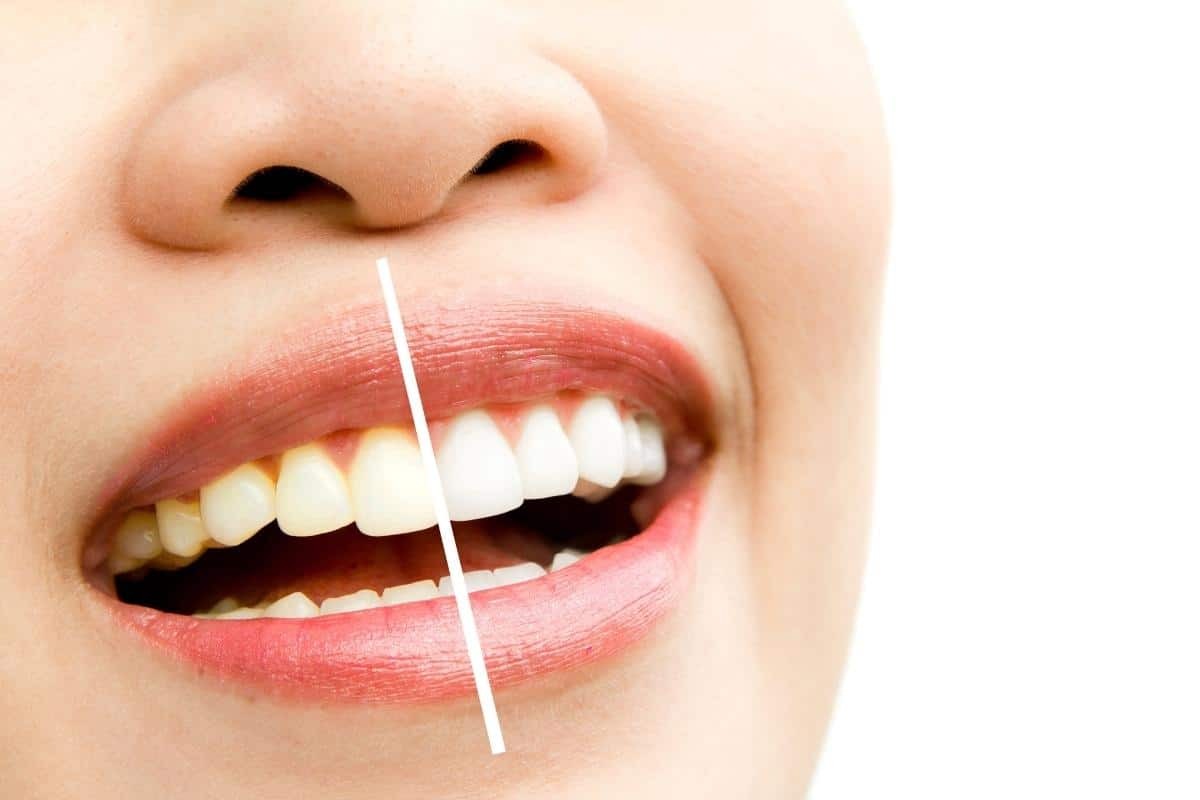
Teeth naturally change color as we age. In addition to normal aging, certain foods and drinks can leave stains on the surface of the enamel. Coffee, tea, red wine, cola, tobacco, and deeply pigmented foods are common contributors.
Some discoloration is on the outside of the tooth and may respond well to brushing, professional cleanings, or whitening. Other discoloration occurs deeper within the tooth and may have a different cause.
The distinction matters because whitening isn’t equally effective for every type of discoloration. The American Dental Association notes that whitening can address both extrinsic and intrinsic staining, but the results depend on the cause and condition of the teeth.
7 Practical Teeth Whitening Tips for a Brighter Smile
1. Keep up with daily brushing and flossing
Good oral hygiene is the foundation for maintaining a clean-looking smile.
Brush your teeth twice a day with fluoride toothpaste and clean between your teeth daily. This helps remove plaque and food debris before they contribute to a dull or stained appearance.
If you’re using a whitening toothpaste, remember that these products are generally better at removing surface stains than changing the natural color of the tooth. The ADA notes that whitening toothpastes primarily work through mechanical removal of extrinsic surface stains.
2. Pay attention to coffee, tea, and other staining drinks
You don’t necessarily need to give up your morning coffee to maintain your whitening results.
Instead, consider a few simple changes:
- Avoid sipping staining beverages continuously throughout the day.
- Drink water afterward when possible.
- Use a straw for appropriate cold beverages.
- Rinse your mouth with water after coffee, tea, or other strongly colored drinks.
- Keep up with regular brushing and professional cleanings.
These habits can help reduce the amount of time staining compounds remain in contact with your teeth.
3. Don’t use whitening products more often than recommended
One of the most common mistakes with whitening is assuming that more treatment will automatically produce a better smile.
It won’t.
Using whitening products too frequently or leaving them on longer than directed can increase the likelihood of tooth sensitivity and gum irritation. Temporary sensitivity is one of the most common side effects associated with tooth whitening.
Follow the instructions for the product you’re using, and if you’re receiving professional whitening, follow the maintenance schedule recommended by your dental team.
If you find yourself repeatedly whitening because your teeth quickly look darker again, it’s worth discussing the underlying cause rather than simply increasing the frequency.
4. Be realistic about your natural tooth color
Healthy teeth aren’t necessarily bright white.
Natural tooth color varies from person to person, and age-related changes can make teeth appear darker as enamel becomes thinner and the underlying dentin becomes more noticeable.
Whitening can brighten natural teeth, but the final shade depends on factors such as the original tooth color and the type of discoloration.
A good whitening result should complement your smile rather than simply aim for the brightest shade possible.
5. Remember that dental restorations don’t whiten
This is an especially important point if you have crowns, veneers, bridges, fillings, or implants in visible areas.
Whitening products work on natural tooth structure. They don’t change the color of tooth-colored restorations in the same way.
That means whitening your natural teeth can sometimes make an existing restoration appear darker by comparison.
If you have visible dental work and are considering whitening, mention it during your consultation. Your dentist can help you understand how whitening may affect the overall appearance of your smile before you begin.
6. Don’t ignore tooth sensitivity
Some people experience temporary sensitivity during or after whitening. This can be more noticeable if you already have sensitive teeth, gum recession, worn enamel, or other dental concerns.
If whitening causes discomfort, don’t simply push through repeated treatments.
A dentist can help determine whether the sensitivity is related to the whitening process or whether there is another issue that should be addressed first. Depending on your situation, your dental professional may recommend changing the whitening approach, adjusting the treatment schedule, or addressing an underlying dental problem.
If you’ve had sensitivity with whitening in the past, professional guidance can be particularly helpful.
7. Keep your regular dental visits
Professional cleanings can remove buildup and surface stains that regular brushing cannot always eliminate completely.
A dental visit also gives your dentist an opportunity to look for cavities, gum problems, worn enamel, recession, cracked teeth, or other conditions that could affect whitening.
In fact, the ADA recommends considering a dental evaluation before whitening so contributing factors to discoloration and a patient’s oral health can be assessed.
Sometimes a cleaning is enough to make your smile look noticeably fresher. Other times, it helps determine whether professional whitening or another cosmetic treatment makes more sense.
What Should You Avoid After Teeth Whitening?
There isn’t a universal list of foods that every patient must completely avoid. However, being mindful of highly pigmented foods and beverages can help reduce new staining.
Common examples include:
- Coffee
- Black tea
- Red wine
- Cola and other dark-colored soft drinks
- Tobacco products
- Dark sauces and strongly pigmented foods
You don’t have to eliminate every one of these from your life. Moderation and simple habits—such as drinking water afterward and maintaining good oral hygiene can make long-term maintenance more manageable.
Can Whitening Toothpaste Keep Teeth White?
Whitening toothpaste can be useful for removing some surface stains, but it isn’t the same as a professional bleaching treatment. If you’re curious about how teeth whitening toothpaste works, understanding how these products remove surface stains can help you choose the right approach for maintaining a brighter smile.
Most whitening toothpastes work primarily by removing extrinsic stains from the tooth surface. They generally don’t provide the same type of color change as peroxide-based bleaching.
If your teeth have become noticeably darker rather than simply developing surface staining, toothpaste alone may not provide the improvement you’re looking for.
When Should You Consider Professional Teeth Whitening?
Professional whitening may be worth considering if:
- Your teeth have become noticeably stained or yellowed.
- Coffee, tea, tobacco, or aging has affected your smile.
- Over-the-counter products haven’t produced the improvement you wanted.
- You want a more structured whitening plan.
- You have concerns about sensitivity or uneven staining.
- You have visible crowns, fillings, veneers, or other restorations and want to understand how whitening could affect your smile.
Before whitening, your dentist can assess your teeth and gums and discuss realistic expectations.
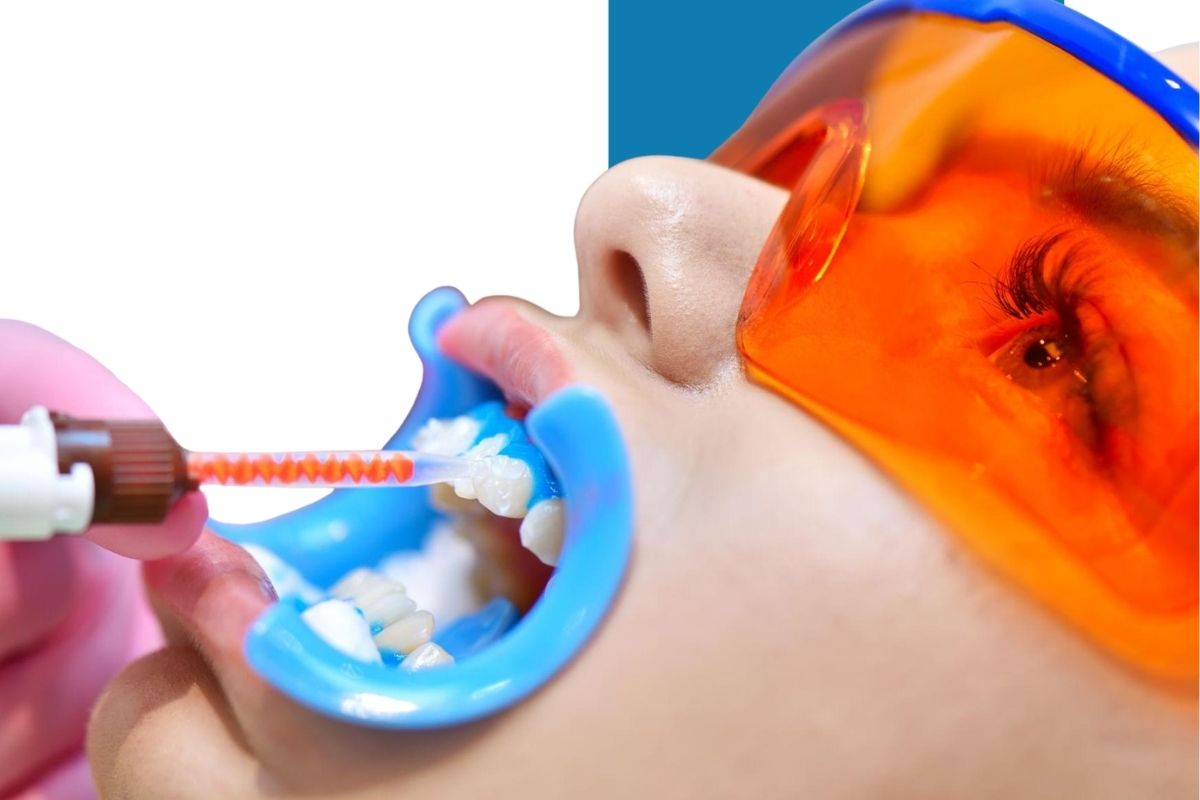
For patients considering teeth whitening treatment in Grants Pass, Pastrell, Buchanan & Hartzell General Dentistry offers teeth whitening as part of its cosmetic dental services. The practice also provides information about whitening options, tooth discoloration, sensitivity, and cosmetic treatment planning.
How Long Does Teeth Whitening Last?
Teeth whitening isn’t permanent. How long your results remain noticeable depends on your habits, oral hygiene, the type of discoloration, and the whitening method used.
Someone who regularly drinks coffee or tea and uses tobacco may notice staining return sooner than someone with fewer staining habits.
Rather than assuming you need whitening on a fixed schedule, pay attention to how your smile changes and follow the maintenance recommendations provided by your dental professional.
What If Whitening Doesn’t Remove the Stains?
Not every type of discoloration responds equally well to whitening.
For example, certain deeper stains, discoloration associated with trauma or medications, and color differences involving dental restorations may require a different approach.
The practice’s existing information on tooth discoloration notes that when whitening isn’t enough, treatments such as bonding or veneers may sometimes be considered depending on the cause and the patient’s goals.
That’s why identifying the cause of discoloration is useful before repeatedly trying stronger whitening products.
A Simple Routine for Maintaining a Brighter Smile
If you want to keep your smile brighter for as long as possible, focus on the basics:
- Brush twice a day.
- Clean between your teeth every day.
- Drink water after staining foods and beverages.
- Limit prolonged exposure to coffee, tea, tobacco, and other staining substances.
- Use whitening products only as directed.
- Don’t ignore persistent tooth sensitivity or sudden discoloration.
- Keep up with regular dental examinations and cleanings.
- Ask your dentist about touch-up whitening when your results begin to fade.
None of these habits has to be complicated. The key is consistency.
Frequently Asked Questions About Teeth Whitening
Can I keep my teeth white permanently?
No whitening treatment can guarantee permanently white teeth. Natural teeth continue to change with age, and staining habits can cause discoloration to return. Good oral hygiene and appropriate maintenance can help extend your results.
How can I keep my teeth white after whitening?
Brush twice daily, floss or clean between your teeth daily, drink water after staining foods and beverages, avoid tobacco, and follow your dentist’s recommendations for any whitening touch-ups.
Does coffee permanently stain teeth?
Coffee can contribute to extrinsic staining over time, but that doesn’t mean you have to stop drinking it completely. Rinsing with water afterward and maintaining good oral hygiene can help reduce the buildup of stains.
Can whitening damage my teeth?
When used appropriately, whitening is generally considered safe, but temporary tooth sensitivity and gum irritation can occur. Overuse can increase the risk of adverse effects, which is why following product directions or your dentist’s instructions matters.
Can I whiten crowns or fillings?
No. Whitening products affect natural teeth, not tooth-colored restorations such as crowns and fillings. If you have visible restorations, discuss them with your dentist before whitening so you can understand how the final shade may look.
Should I whiten my teeth if they are sensitive?
Sensitivity doesn’t necessarily mean whitening is impossible, but it is a reason to approach treatment carefully. A dental evaluation can help determine why your teeth are sensitive and whether whitening is appropriate.
Is professional whitening better than whitening toothpaste?
They serve different purposes. Whitening toothpaste mainly helps remove surface stains, while professional whitening uses bleaching agents to change the color of natural teeth. The right option depends on the type and degree of discoloration and your goals.
Keep Your Smile Brighter With the Right Approach
The best teeth whitening tips aren’t about constantly using stronger products. They’re about understanding what causes discoloration, taking care of your teeth every day, and whitening thoughtfully when you need an extra boost.
If your smile has become darker or stained, start by figuring out why. A professional cleaning may be enough for surface buildup, while persistent discoloration may call for a more customized whitening plan.
For patients looking for teeth whitening in Grants Pass, a consultation with Pastrell, Buchanan & Hartzell General Dentistry can help you understand your options and determine what approach fits your smile and oral health. The practice is located at 1050 SW Grandview Ave in Grants Pass, Oregon.
A brighter smile doesn’t have to mean chasing an unrealistic shade. With good daily care, sensible whitening habits, and professional guidance when needed, you can work toward a smile that looks clean, healthy, and naturally bright.