

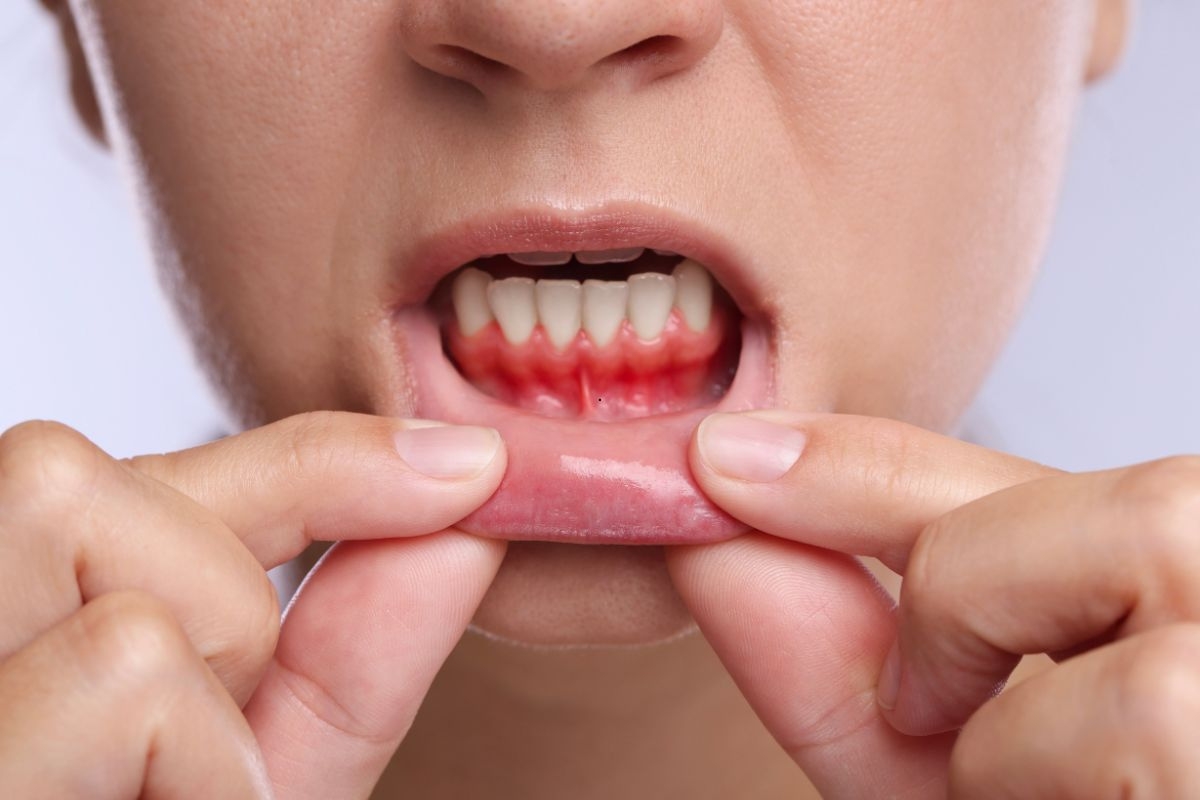
What Causes Gum Disease and How to Prevent It
Gum disease is one of the most common oral health problems affecting millions of people worldwide. Many individuals do not realize they have gum disease until symptoms become severe, leading to discomfort, tooth loss, and costly dental treatments. The good news is that gum disease is largely preventable with proper oral hygiene and regular dental care.
Understanding what causes gum disease and learning how to prevent it can help you maintain healthy gums, protect your teeth, and improve your overall health.
What Is Gum Disease?
Periodontal disease, commonly known as gum disease, is an infection of the tissues that support your teeth. It usually begins with plaque buildup and can progress from mild inflammation to serious damage to the gums and jawbone.
There are two main stages of gum disease:
Gingivitis
Gingivitis is the earliest and mildest stage of gum disease. It causes redness, swelling, and bleeding gums, especially while brushing or flossing. At this stage, the condition is reversible with professional dental care and improved oral hygiene.
Periodontitis
If gingivitis is left untreated, it can progress into periodontitis. This advanced form of gum disease can damage the bone and tissues supporting the teeth, eventually causing tooth loosening or tooth loss.
What Causes Gum Disease?
Several factors contribute to gum disease, but poor oral hygiene remains the primary cause.
1. Plaque and Tartar Buildup
Plaque is a sticky film of bacteria that forms on teeth every day. When plaque is not removed through brushing and flossing, it hardens into tartar. Tartar buildup irritates the gums and creates an environment where harmful bacteria thrive.
Over time, bacteria release toxins that inflame gum tissue and cause infection.
2. Poor Brushing and Flossing Habits
Inconsistent oral hygiene allows plaque and bacteria to accumulate around the gumline. Skipping brushing or flossing increases the risk of gum inflammation and infection.
3. Smoking and Tobacco Use
Smoking weakens the immune system and reduces the body’s ability to fight gum infections. Tobacco use also slows healing after dental treatments and increases the risk of severe periodontal disease.
4. Hormonal Changes
Hormonal fluctuations during pregnancy, puberty, or menopause can make gums more sensitive and vulnerable to inflammation.
5. Diabetes
People with diabetes are more likely to develop infections, including gum disease. High blood sugar levels can worsen gum inflammation and slow healing.
6. Poor Nutrition
A diet lacking essential vitamins and nutrients can weaken the immune system and reduce the body’s ability to fight gum infections.
7. Stress
Stress may negatively affect immune function, making it harder for the body to combat bacteria and inflammation.
8. Certain Medications
Some medications reduce saliva production, causing dry mouth. Saliva helps wash away bacteria and food particles, so reduced saliva can increase the risk of gum disease.
9. Genetics
Some individuals may have a genetic predisposition to gum disease, even with good oral hygiene habits.
Common Symptoms of Gum Disease
Recognizing the early signs of gum disease is essential for prompt treatment.
Warning Signs Include:
- Red, swollen, or tender gums
- Bleeding while brushing or flossing
- Persistent bad breath
- Receding gums
- Loose teeth
- Pain while chewing
- Pus between the gums and teeth
- Tooth sensitivity
If you notice any of these symptoms, schedule a dental visit as soon as possible.
Why Gum Health Matters
Gum disease does not only affect your mouth. Research suggests that periodontal disease may be linked to several overall health conditions, including:
- Heart disease
- Diabetes complications
- Respiratory infections
- Stroke
- Pregnancy complications
Healthy gums are an important part of maintaining overall wellness.
How to Prevent Gum Disease
Preventing gum disease is easier and less expensive than treating advanced periodontal problems. Consistent dental care and healthy habits can significantly reduce your risk.
Brush Your Teeth Twice Daily
Brush your teeth at least twice a day using a soft-bristle toothbrush and fluoride toothpaste. Make sure to clean along the gumline where plaque often accumulates.
Floss Every Day
Flossing removes food particles and plaque from areas your toothbrush cannot reach. Daily flossing helps prevent bacteria buildup between teeth.
Use an Antibacterial Mouthwash
An antimicrobial mouthwash can help reduce plaque and bacteria while keeping your breath fresh.
Visit Your Dentist Regularly
Professional dental cleanings remove tartar that cannot be eliminated through brushing alone. Regular dental exams also allow your dentist to detect gum disease early before it becomes severe.
Eat a Balanced Diet
Consume foods rich in vitamins and minerals, especially vitamin C and calcium, to support healthy gums and teeth.
Avoid Smoking
Quitting smoking greatly reduces your risk of gum disease and improves overall oral health.
Stay Hydrated
Drinking water helps wash away bacteria and food debris while stimulating saliva production.
Manage Health Conditions
Proper management of conditions such as diabetes can reduce the likelihood of gum infections.
Professional Treatments for Gum Disease
If gum disease develops, dentists may recommend treatments such as:
- Professional deep cleaning
- Scaling and root planing
- Antibiotic therapy
- Laser periodontal treatment
- Gum surgery in advanced cases
Early treatment can stop disease progression and help preserve your natural teeth.
The Importance of Early Detection
Many people ignore minor gum bleeding or sensitivity, assuming it is normal. However, early signs of gum disease should never be overlooked. Seeking treatment promptly can prevent serious complications and costly restorative procedures later.
Routine dental checkups play a critical role in identifying gum problems before they become severe.
Protect Your Smile with Preventive Dental Care
Healthy gums are the foundation of a healthy smile. By practicing good oral hygiene, maintaining regular dental visits, and making healthy lifestyle choices, you can greatly reduce your risk of gum disease and keep your smile strong for years to come.
If you are experiencing bleeding gums, gum tenderness, or persistent bad breath, schedule a dental examination today. Early care can help protect your oral health and prevent long-term dental problems.