
What to Expect During Your Sedation Dentistry Appointment
Dental anxiety is a common concern that prevents many individuals from seeking the oral care they need. Fortunately, sedation dentistry offers a comfortable and stress-free experience for patients undergoing various dental procedures. If you have an upcoming sedation dentistry appointment, you may be wondering what to expect. This guide will walk you through the process, from preparation to post-procedure care, so you can feel confident and at ease.
Understanding Sedation Dentistry
Sedation dentistry involves the use of medication to help patients relax during dental procedures. It is ideal for individuals who experience dental anxiety, have a low pain tolerance, require extensive treatment, or struggle with a strong gag reflex. There are different levels of sedation available, including:
- Minimal Sedation—You remain awake but feel calm and relaxed.
- Moderate Sedation—You may slur your words and have limited memory of the procedure.
- Deep Sedation—You are on the edge of consciousness but can still be awakened.
- General anesthesia—you are completely unconscious during the procedure.
Your dentist will recommend the appropriate level of sedation based on your specific needs and the complexity of the treatment.
Before Your Appointment: Preparation Tips
Before your sedation dentistry appointment, your dentist will provide you with detailed instructions to ensure a smooth experience. Here are some general guidelines to follow:
1. Discuss Your Medical History
It is crucial to inform your dentist about your medical history, including any existing conditions, medications, or allergies. This helps in determining the safest sedation option for you.
2. Follow Fasting Guidelines
Depending on the type of sedation used, you may need to refrain from eating or drinking for several hours before your appointment. Your dentist will give you specific instructions based on your sedation plan.
3. Arrange for Transportation
Most forms of sedation, except for minimal sedation, can impair your ability to drive. Ensure that you have a trusted friend or family member accompany you to your appointment and drive you home afterward.
4. Wear Comfortable Clothing
Loose-fitting clothing allows for easy monitoring of vital signs during sedation. Avoid wearing jewelry or accessories that may interfere with the procedure.
5. Plan for Recovery Time
Since sedation effects can linger for a few hours after the procedure, it is best to take the rest of the day off and avoid any strenuous activities.
During Your Sedation Dentistry Appointment
The process of sedation dentistry varies depending on the type of sedation used. Here’s what you can expect during your appointment:
1. Administering the Sedation
Your dentist will administer sedation through one of the following methods:
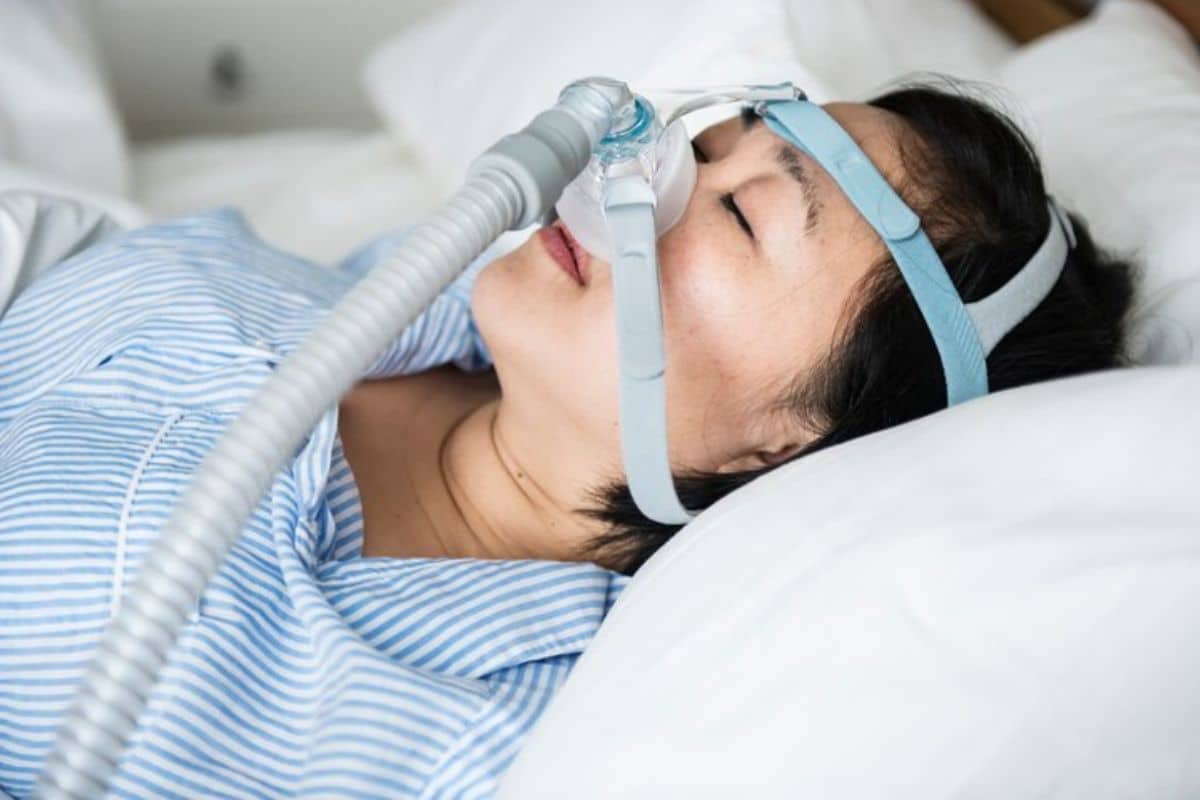
- Inhaled Sedation (Nitrous Oxide) – Also known as “laughing gas,” this mild sedative is inhaled through a mask. It takes effect quickly and wears off soon after the procedure.
- Oral Sedation—A prescribed sedative pill is taken before the procedure to induce relaxation. You may feel drowsy but will remain conscious.
- IV Sedation—Delivered directly into your bloodstream, IV sedation provides a deeper level of relaxation. Your dentist will monitor your vitals throughout the procedure.
- General anesthesia—used for more complex procedures, this form of sedation renders you completely unconscious.
2. The Dental Procedure
Once the sedation takes effect, your dentist will begin the necessary treatment. You may remain conscious but feel extremely relaxed, or you may have little to no recollection of the procedure, depending on the level of sedation used.
3. Monitoring Vital Signs
Throughout the procedure, your dentist will closely monitor your heart rate, oxygen levels, and blood pressure to ensure your safety.
After Your Sedation Dentistry Appointment: Recovery and Care
Once your dental procedure is complete, your dentist will guide you through the recovery process. Here’s what you should expect post-treatment:
1. Post-Sedation Effects
- If you received nitrous oxide, the effects wear off quickly, and you may resume normal activities shortly after the appointment.
- With oral or IV sedation, drowsiness and grogginess may persist for several hours, so resting is recommended.
- If general anesthesia was used, full recovery may take longer, and you may need additional assistance at home.
2. Hydration and Nutrition
Stick to soft foods and drink plenty of water after your procedure. Avoid hot foods or drinks until any numbness has completely worn off to prevent accidental burns.
3. Medication Management
Your dentist may prescribe pain relievers or antibiotics if necessary. Follow all medication instructions carefully and report any unusual side effects.
4. Avoid Strenuous Activities
Plan to rest for the remainder of the day. Avoid heavy lifting, intense exercise, or operating machinery until the sedative effects have completely worn off.
5. Follow-Up Appointments
Your dentist may schedule a follow-up visit to monitor your recovery and ensure that the procedure was successful. Be sure to attend this appointment and communicate any concerns.
Is Sedation Dentistry Right for You?
If you experience dental anxiety, have difficulty sitting through lengthy procedures, or require extensive dental work, sedation dentistry may be a great option. Consulting with your dentist can help determine the best sedation method for your needs. If you’re ready to experience stress-free dental care, schedule an appointment today and take the first step toward a more comfortable visit.
Sedation dentistry is an excellent solution for patients who experience fear or discomfort during dental procedures. By understanding what to expect before, during, and after your appointment, you can approach your visit with confidence. Whether you need mild relaxation or deeper sedation, a trusted dental team will ensure a safe and pleasant experience.
If you’re considering sedation dentistry, Pastrell, Buchanan, and Hartzell General Dentistry offers expert services to help you achieve optimal oral health in a comfortable environment. Contact us today to learn more about how we can make your dental visit stress-free and painless.