
What Causes Tooth Discoloration—and Which Treatment Works Best?
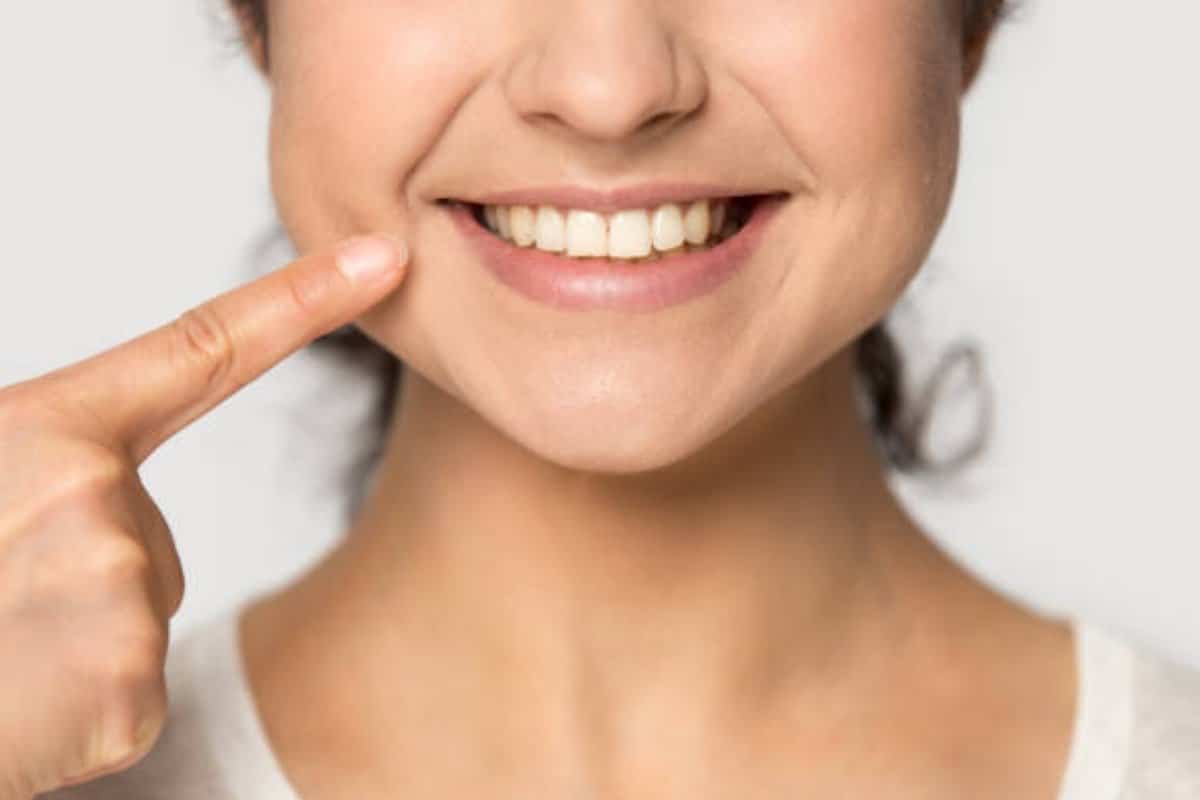
A bright, white smile is often associated with good health and confidence, but tooth discoloration is one of the most common cosmetic dental concerns. Many people notice their teeth becoming yellow, brown, or stained over time and wonder why it happens—and more importantly, how to fix it. The good news is that modern dentistry offers several effective solutions, once the cause of discoloration is properly identified.
Understanding what’s behind tooth discoloration is the first step toward choosing the right treatment. Whether stains are caused by lifestyle habits, aging, or underlying dental issues, a personalized approach can help restore your smile’s natural brilliance.
Common Causes of Tooth Discoloration
Tooth discoloration generally falls into three categories: extrinsic, intrinsic, and age-related stains.
Extrinsic stains affect the outer layer of the tooth (enamel) and are often caused by foods and drinks like coffee, tea, red wine, berries, and dark sodas. Tobacco use is another major contributor, as nicotine and tar can quickly leave yellow or brown stains on the enamel.
Intrinsic stains develop inside the tooth structure (dentin) and can be more challenging to treat. These may be caused by trauma, excessive fluoride exposure during childhood, certain medications (such as tetracycline antibiotics), or internal tooth damage. Because these stains are deeper, they don’t always respond to over-the-counter whitening products.
Age-related discoloration is a combination of both. As we age, enamel thins, allowing the yellowish dentin beneath to become more visible. Years of accumulated stains also contribute to a duller smile.
In communities where oral health awareness is growing, dental care in Grants Pass focuses on identifying the exact cause of discoloration, so patients receive treatments that are both safe and effective rather than one-size-fits-all solutions.
Which Tooth Discoloration Treatments Work Best?
The “best” treatment depends on the type and severity of discoloration. Here’s a breakdown of the most common options and when they work best:
Professional Teeth Whitening
For mild to moderate extrinsic stains, professional whitening is often the most effective and popular solution. In-office whitening uses high-strength, dentist-approved whitening agents that deliver noticeable results in a short amount of time. This option is ideal for stains caused by food, drinks, and smoking.
Take-Home Whitening Trays
Custom-made whitening trays provided by a dentist offer a more gradual approach. They’re convenient, safe, and effective for maintaining results after in-office whitening or addressing mild discoloration at home.
Dental Bonding
When discoloration doesn’t respond well to whitening—especially intrinsic stains—dental bonding may be recommended. A tooth-colored resin is applied to the surface of the tooth to mask stains and improve overall appearance.
Porcelain Veneers
For severe, deep, or long-standing discoloration, veneers are often considered the most transformative solution. Veneers cover the front surface of teeth, providing a permanently bright, uniform smile. They are especially effective when discoloration is combined with chips, gaps, or uneven teeth.
Dental Crowns
If discoloration is due to extensive tooth damage or previous dental work, crowns may be the best option. They fully cover the tooth, restoring both function and appearance.
Why Professional Evaluation Matters
Many people try whitening toothpaste or DIY remedies without realizing that not all discoloration can—or should—be treated the same way. Overusing whitening products can lead to tooth sensitivity, uneven results, or damage to enamel. A professional dental evaluation ensures that the chosen treatment addresses the root cause of discoloration while protecting your long-term oral health.
Dentists also consider factors like existing restorations, gum health, and enamel thickness before recommending whitening or cosmetic procedures. This tailored approach leads to safer, longer-lasting, and more natural-looking results.
Maintaining a Whiter Smile
Once your teeth are brightened, simple habits can help maintain the results. Limiting stain-causing foods and drinks, practicing good oral hygiene, using a straw for dark beverages, and scheduling regular dental cleanings all play an important role. Touch-up whitening treatments may also be recommended depending on your lifestyle.
Tooth discoloration is common, but it doesn’t have to be permanent. From professional whitening to advanced cosmetic solutions like veneers, there’s a treatment option for nearly every situation. The key is understanding what’s causing the discoloration and choosing the solution that works best for your specific needs.
If you’re ready to improve your smile and confidence, book an appointment today to explore professional solutions that can help restore your teeth’s natural brightness.
FAQs
1. Can all tooth discoloration be fixed with whitening?
No. While whitening is effective for surface stains, intrinsic discoloration may require bonding, veneers, or crowns for best results.
2. How long do professional whitening results last?
Results can last from several months to a few years, depending on oral hygiene, diet, and lifestyle habits like smoking or coffee consumption.
3. Is professional whitening safe for sensitive teeth?
Yes, when supervised by a dentist. Professional treatments are customized to minimize sensitivity and protect tooth enamel.