
Jaw Pain, Clicking, and Headaches? 7 Signs You May Have TMJ Disorder
If you’re dealing with persistent jaw pain, unexplained headaches, or a clicking sound when you chew, you’re not alone. Many people in Grants Pass, OR experience symptoms of temporomandibular joint (TMJ) disorder, often without realizing what’s causing their discomfort. Left untreated, TMJ issues can worsen over time—affecting your ability to eat, speak, and even sleep comfortably.
At Pastrell, Buchanan, and Hartzell General Dentistry, we believe early awareness is key. This guide breaks down the 7 most common signs of TMJ disorder, what causes it, and when it’s time to seek professional care.
What Is TMJ Disorder?
The temporomandibular joint (TMJ) connects your jawbone to your skull, acting like a sliding hinge that allows you to talk, chew, and yawn. When this joint becomes inflamed, misaligned, or overworked, it can lead to TMJ disorder (TMD).
TMJ disorders can result from:
- Teeth grinding (bruxism)
- Jaw injury or trauma
- Arthritis
- Stress-related muscle tension
- Misaligned bite
7 Signs You May Have TMJ Disorder
Recognizing the early warning signs can help prevent long-term damage and chronic discomfort.
1. Jaw Pain or Tenderness
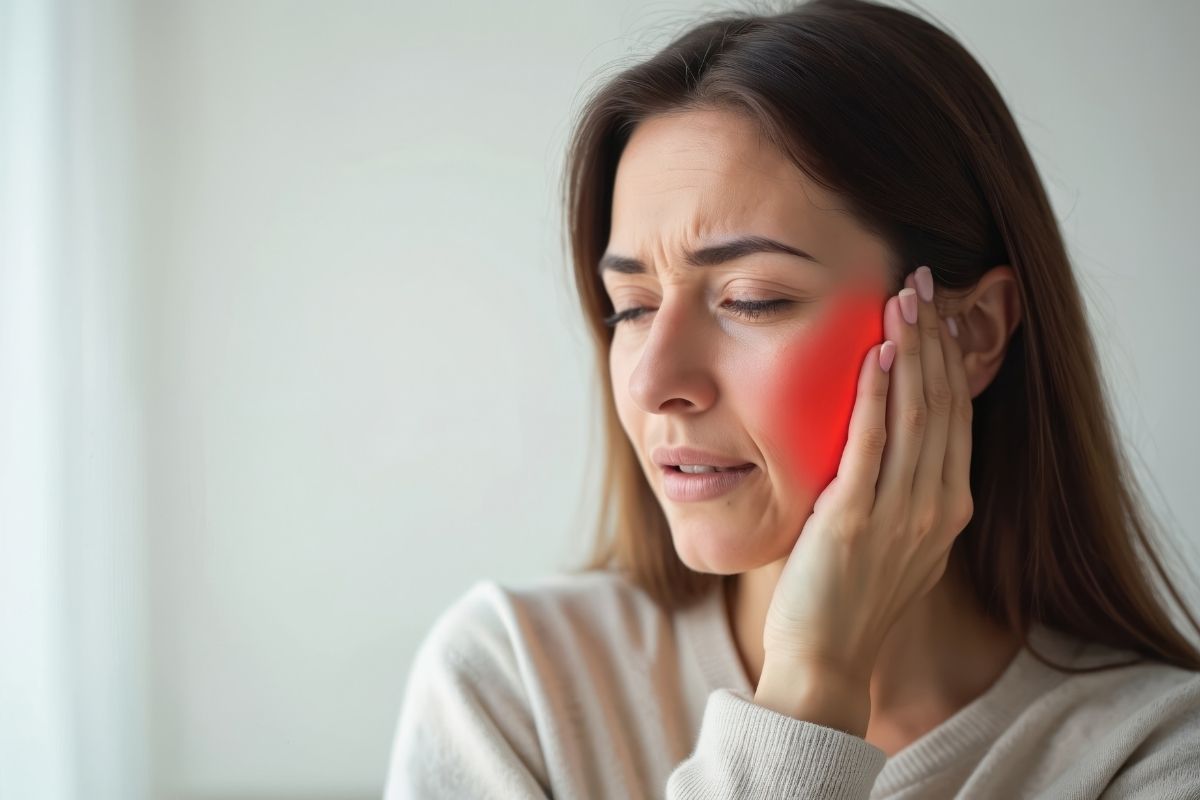
One of the most obvious signs is pain in your jaw, especially near the ears. This discomfort may worsen when chewing, talking, or yawning.
What to watch for:
- Pain on one or both sides of the jaw
- Tenderness when touching the joint
- Discomfort that radiates to the face or neck
2. Clicking, Popping, or Grinding Sounds
Do you hear a clicking or popping sound when you open or close your mouth? While occasional clicking isn’t always serious, frequent or painful sounds may indicate TMJ dysfunction.
Important note:
If the clicking is accompanied by pain or limited movement, it’s time to consult a dentist.
3. Frequent Headaches or Migraines
TMJ disorders often cause tension headaches, which can feel similar to migraines.
Why it happens:
The jaw muscles are closely connected to the muscles in your head and neck. When the TMJ is strained, it can trigger recurring headaches.
4. Ear Pain or Ringing (Tinnitus)
Many TMJ patients report earaches, pressure, or ringing in the ears, even without an ear infection.
Common symptoms include:
- Ear fullness
- Ringing or buzzing sounds
- Pain near or inside the ear
5. Difficulty Opening or Closing Your Mouth
A restricted jaw movement—sometimes called “lockjaw”—is a classic TMJ symptom.
You may notice:
- Trouble opening your mouth wide
- Jaw locking in an open or closed position
- Stiffness when chewing
6. Facial Pain or Swelling
TMJ disorders can cause persistent facial discomfort, especially around the cheeks, jawline, or temples.
This pain may:
- Feel dull and aching
- Increase with jaw activity
- Lead to visible swelling in severe cases
7. Bite Changes or Uneven Teeth Alignment
If your bite suddenly feels “off” or your teeth don’t align like they used to, TMJ could be the cause.
Signs of bite issues:
- Teeth not fitting together properly
- Increased tooth sensitivity
- Uneven wear on teeth
What Causes TMJ Disorders?
Understanding the root cause helps guide effective treatment.
Common Causes Include:
- Teeth grinding or clenching (bruxism)
- Stress and muscle tension
- Injury to the jaw or face
- Arthritis affecting the joint
- Poor posture (especially neck and shoulder strain)
In Grants Pass, many patients experience TMJ symptoms due to stress-related clenching or long hours spent at desks with poor posture.
When Should You See a Dentist?
If your symptoms:
- Persist for more than a few days
- Interfere with eating or speaking
- Include severe pain or jaw locking
…it’s time to seek professional care.
Early intervention can prevent complications such as chronic pain, tooth damage, and joint deterioration.
TMJ Treatment Options
At Pastrell, Buchanan, and Hartzell General Dentistry, TMJ treatment is customized to your specific condition.
Common Treatment Options Include the Following:
1. Nightguards or Splints
Custom oral appliances help reduce teeth grinding and relieve pressure on the TMJ.
2. Bite Adjustment
Correcting misalignment can improve how your teeth come together and reduce joint strain.
3. Stress Management Techniques
Relaxation strategies like meditation or physical therapy can ease muscle tension.
4. Medications
Anti-inflammatory medications or muscle relaxants may be prescribed for temporary relief.
5. Lifestyle Changes
Simple adjustments can make a big difference:
- Avoid hard or chewy foods
- Practice jaw relaxation exercises
- Maintain good posture
Preventing TMJ Problems
While not all TMJ disorders are preventable, you can reduce your risk with these tips:
- Avoid clenching your jaw during stress
- Use ergonomic seating if you work long hours
- Limit gum chewing
- Stretch your jaw muscles regularly
- Wear a mouthguard if you grind your teeth
Why Choose Local TMJ Care in Grants Pass, OR?
Choosing a local dental provider ensures:
- Personalized care tailored to your lifestyle
- Quick access to treatment
- Ongoing monitoring and support
At Pastrell, Buchanan and Hartzell General Dentistry, we combine advanced diagnostics with patient-focused care to help you find lasting relief.
Take the First Step Toward Relief
Jaw pain, headaches, and clicking sounds are not something you have to live with. TMJ disorder is treatable—especially when diagnosed early.
If you’re experiencing any of these symptoms, don’t wait. Schedule your appointment today with Pastrell, Buchanan and Hartzell General Dentistry at 1050 SW Grandview Ave, Grants Pass, OR 97527.
Our experienced team is here to help you regain comfort, improve function, and protect your long-term oral health.
FAQs
1. What is the main cause of TMJ disorder?
The most common causes include teeth grinding, stress-related jaw clenching, jaw injury, and bite misalignment.
2. Can TMJ disorder go away on its own?
Mild cases may improve with rest and lifestyle changes, but persistent symptoms usually require professional treatment.
3. How do I know if my headache is from TMJ?
TMJ-related headaches are often accompanied by jaw pain, clicking sounds, or facial discomfort.
4. Is TMJ treatment painful?
Most treatments are non-invasive and designed to relieve pain, such as nightguards, exercises, or minor bite adjustments.
5. When should I see a dentist for TMJ symptoms?
You should see a dentist if your symptoms last more than a few days, worsen over time, or interfere with daily activities like eating or speaking.