

Broken Tooth? Here’s What You Should Do
A broken tooth can happen when you least expect it—biting into something hard, during sports, or even from untreated decay. Whether it’s a minor chip or a severe fracture, knowing how to respond quickly can make the difference between saving or losing your tooth. If you’re in Grants Pass, OR, understanding the right steps and where to go for immediate care is essential.
At Pastrell, Buchanan and Hartzell General Dentistry, patients receive prompt, expert dental care tailored to emergencies like broken teeth. This guide will walk you through everything you need to know—from first aid to professional treatment options.
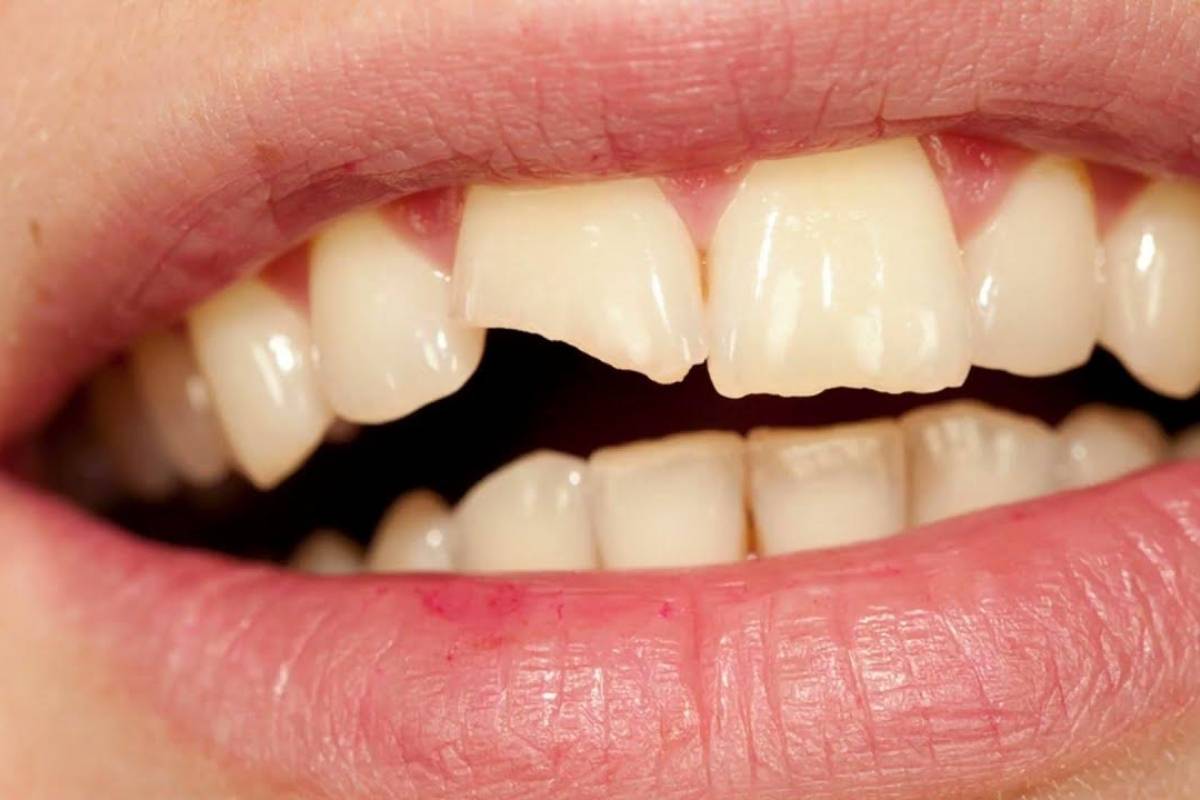
What Counts as a Broken Tooth?
A “broken tooth” is a broad term that includes several types of damage:
- Chipped tooth – Minor enamel damage
- Cracked tooth – A fracture that may extend below the gumline
- Broken cusp – Often occurs around fillings
- Split tooth – A severe crack dividing the tooth into segments
- Fractured root – Damage that starts below the gum
Each type requires a different level of care, so proper evaluation by a dentist is critical.
Common Causes of Broken Teeth
Understanding why teeth break can help you prevent future issues:
- Biting hard foods like ice, nuts, or hard candy
- Trauma from accidents or sports injuries
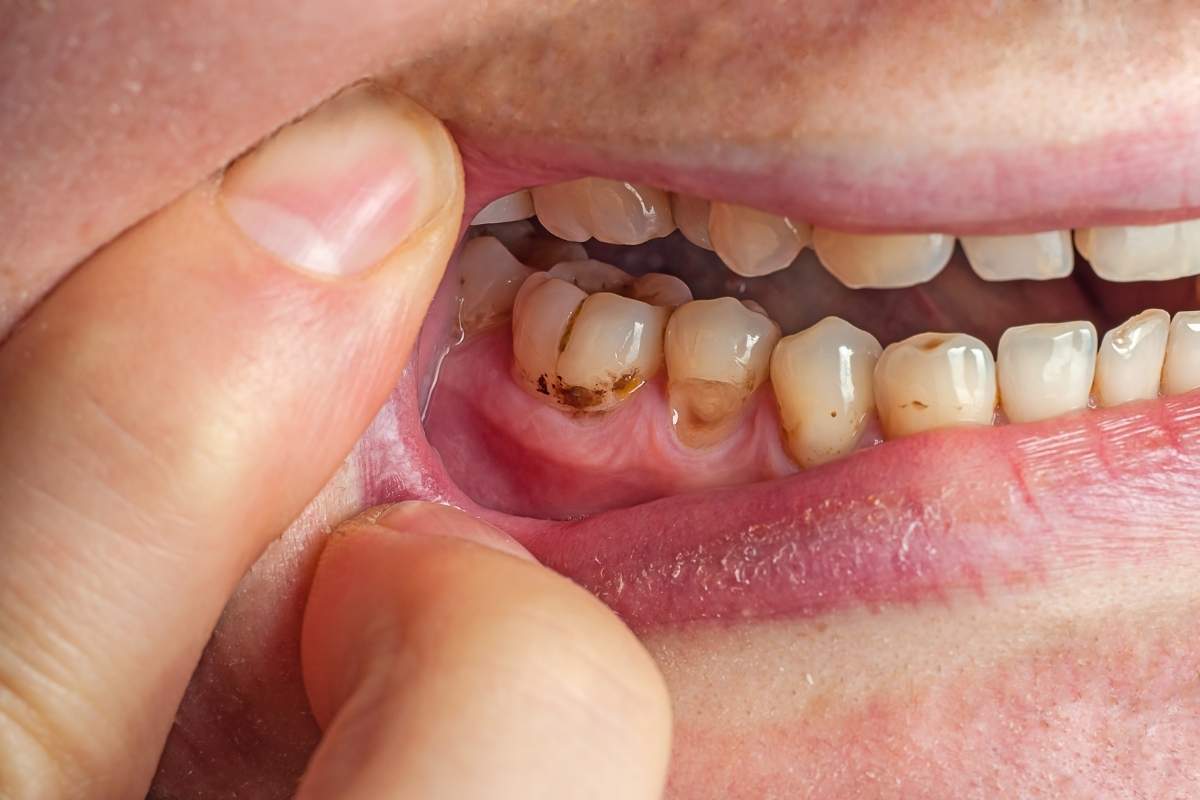
- Untreated cavities weaken tooth structure
- Large fillings that compromise strength
- Teeth grinding (bruxism)
- Age-related wear and tear
Even healthy teeth can break under enough pressure, but weakened teeth are at much higher risk.
Immediate Steps to Take After Breaking a Tooth
Acting quickly can help minimize damage and discomfort:
1. Rinse Your Mouth
Use warm water to clean the area and remove debris.
2. Stop Any Bleeding
Apply gentle pressure with clean gauze if bleeding occurs.
3. Save Any Broken Pieces
If possible, keep fragments in milk or saliva and bring them to your dentist.
4. Reduce Swelling
Apply a cold compress to the outside of your cheek.
5. Manage Pain
Over-the-counter pain relievers can help. Avoid placing aspirin directly on the gum.
6. Protect the Tooth
Use dental wax or sugar-free gum to cover sharp edges temporarily.
When Is It a Dental Emergency?
Not all broken teeth require urgent care, but some situations demand immediate attention:
- Severe pain or sensitivity
- Bleeding that won’t stop
- A large portion of the tooth is missing
- Signs of infection (swelling, pus, fever)
- Exposed nerve or root
If you experience any of these symptoms, contact an emergency dentist right away.
Treatment Options for a Broken Tooth
The right treatment depends on the severity and location of the damage.
Dental Bonding
For small chips, a tooth-colored resin restores shape and appearance quickly.
Dental Crowns
A crown covers and protects a significantly damaged tooth, restoring function and strength.
Root Canal Therapy
If the pulp (inner tissue) is exposed or infected, a root canal removes the infection and saves the tooth.
Dental Veneers
For visible front teeth, veneers offer a cosmetic and durable solution.
Tooth Extraction
In severe cases where the tooth cannot be saved, extraction may be necessary, followed by replacement options like implants or bridges.
What Happens If You Delay Treatment?
Ignoring a broken tooth can lead to serious complications:
- Increased pain and sensitivity
- Infection spreading to surrounding tissues
- Further breakage or tooth loss
- Costlier and more complex treatments later
Prompt dental care not only preserves your oral health but also saves time and money in the long run.
Preventing Broken Teeth
While accidents can’t always be avoided, you can reduce your risk:
- Avoid chewing hard objects (ice, pens, hard candy)
- Wear a mouthguard during sports
- Address teeth grinding with a nightguard
- Maintain regular dental checkups
- Treat cavities early before they weaken teeth
Preventive care is always more effective than emergency treatment.
Why Choose Us?
When dealing with a broken tooth, you need a dentist who combines experience, technology, and compassionate care. At Pastrell, Buchanan and Hartzell General Dentistry, patients benefit from:
- Same-day emergency appointments
- Advanced diagnostic tools
- Personalized treatment plans
- Comfortable and stress-free environment
Their team focuses on both immediate relief and long-term oral health.
Cost of Treating a Broken Tooth
Treatment costs vary depending on the severity:
- Minor bonding: relatively affordable
- Crowns or root canals: moderate investment
- Extractions and replacements: higher cost
Many dental offices offer financing options or work with insurance providers to make treatment accessible.
Long-Term Outlook After a Broken Tooth
With proper care, most broken teeth can be successfully restored. Follow your dentist’s instructions and maintain good oral hygiene to ensure longevity. Regular checkups will help monitor the treated tooth and prevent future issues.
Don’t Wait to Fix a Broken Tooth
A broken tooth might seem minor at first, but it can quickly turn into a serious dental issue if ignored. Acting fast, following proper first-aid steps, and seeking professional care are the keys to protecting your smile.
If you’re dealing with a broken tooth, don’t delay. Schedule your appointment today with Pastrell, Buchanan and Hartzell General Dentistry at 1050 SW Grandview Ave, Grants Pass, OR 97527, and get the expert care you need to restore your oral health and confidence.