
Protect Your Smile from Sugar Damage: Dentist-Approved Ways to Reduce Tooth Decay
If you live in Grants Pass, Oregon, you already know how easy it is to grab a sweet coffee on the way to work or enjoy a sugary snack during a busy day. While these treats may feel harmless, sugar is one of the leading causes of tooth decay. The good news? With the right habits and professional guidance, you can protect your smile and prevent cavities before they start.
We’ll explain how sugar damages your teeth and share dentist-approved strategies to reduce tooth decay and maintain a strong, healthy smile.
How Sugar Causes Tooth Decay
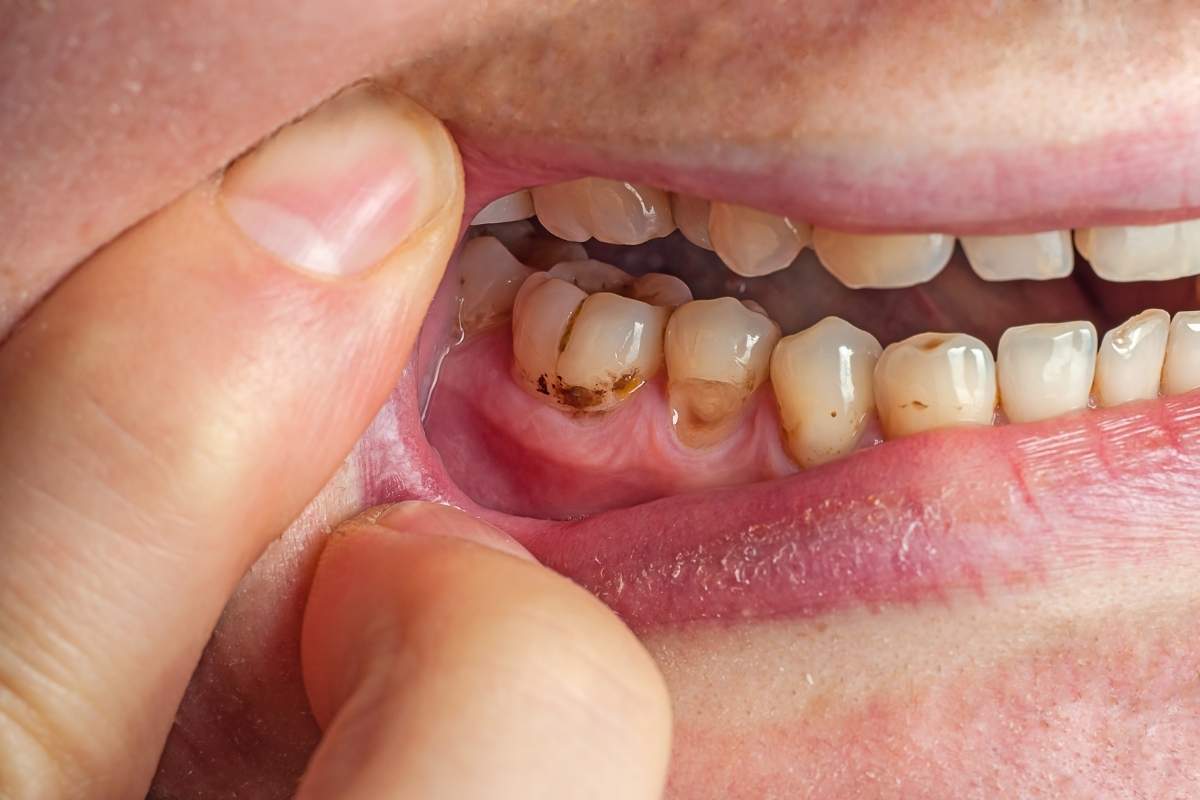
Sugar itself doesn’t directly “eat” your teeth—but the bacteria in your mouth do. When you consume sugary foods and drinks, oral bacteria feed on the sugar and produce acid as a byproduct. This acid attacks the enamel (the protective outer layer of your teeth), weakening it over time.
Repeated acid attacks can lead to:
- Enamel erosion
- Cavities (dental caries)
- Tooth sensitivity
- Gum irritation
If left untreated, decay can progress deeper into the tooth, potentially requiring fillings, root canals, or even extractions.
Dentist-Approved Ways to Reduce Sugar Damage
Here are practical, evidence-based ways to protect your smile from sugar-related damage.
1. Limit Sugary Foods and Drinks
It’s not just how much sugar you eat—it’s how often. Frequent snacking or sipping sugary beverages throughout the day gives bacteria constant fuel to produce acid.
Tips:
- Reduce soda, sports drinks, sweet tea, and flavored coffee.
- Limit sticky candies like caramel and gummy snacks.
- Choose water instead of sugary drinks between meals.
- Enjoy sweets in moderation and with meals rather than alone.
When sugar is consumed during a meal, increased saliva production helps neutralize acids more effectively.
2. Brush Properly—Twice a Day
Brushing your teeth at least twice daily with fluoride toothpaste is one of the most effective ways to prevent decay.
Best practices:
- Use a soft-bristled toothbrush.
- Brush for two full minutes.
- Reach all surfaces: front, back, and chewing areas.
- Replace your toothbrush every 3–4 months.
Fluoride strengthens enamel and helps reverse early stages of decay by remineralizing weakened areas.
3. Don’t Forget to Floss
Brushing alone cannot remove food particles and plaque between teeth. Flossing daily eliminates plaque buildup in hard-to-reach areas, reducing your risk of cavities and gum disease.
If traditional floss is difficult, consider floss picks or a water flosser for easier use.
4. Rinse After Sugary Foods
If you can’t brush immediately after consuming sugar, rinse your mouth with water. This simple step helps wash away food particles and dilute acids.
Important: Wait about 30 minutes before brushing if you’ve consumed something acidic (like soda or citrus), as brushing too soon can further weaken softened enamel.
5. Choose Tooth-Friendly Snacks
Smart snack choices can protect your teeth instead of harming them.
Tooth-friendly options:
- Cheese and yogurt (calcium strengthens enamel)
- Nuts
- Fresh vegetables
- Apples and pears
- Sugar-free gum (stimulates saliva production)
Chewing sugar-free gum after meals can help neutralize acids and reduce cavity risk.
6. Get Professional Fluoride Treatments
Professional fluoride applications at our dental office provide extra protection, especially for patients prone to cavities. Fluoride varnish strengthens enamel and makes teeth more resistant to acid attacks.
This is particularly helpful for:
- Children and teens
- Patients with dry mouth
- Individuals with frequent cavities
7. Consider Dental Sealants
Dental sealants are thin, protective coatings applied to the chewing surfaces of molars. They create a barrier that prevents food and bacteria from settling into deep grooves.
Sealants are especially beneficial for children but can also help cavity-prone adults.
8. Stay Hydrated
Drinking plenty of water helps maintain saliva flow. Saliva is your body’s natural defense system—it neutralizes acids and washes away debris.
In Grants Pass, staying hydrated is especially important during warmer months when dehydration can reduce saliva production and increase decay risk.
9. Schedule Regular Dental Checkups
Routine dental visits are essential for preventing sugar-related damage. Professional cleanings remove hardened plaque (tartar) that brushing and flossing can’t eliminate.
Regular exams allow your dentist to:
- Detect cavities early
- Monitor enamel health
- Provide personalized prevention advice
- Apply protective treatments
Early intervention saves time, money, and discomfort in the long run.
Hidden Sources of Sugar to Watch Out For
Many people don’t realize how much sugar they consume daily. Hidden sources include:
- Breakfast cereals
- Granola bars
- Flavored yogurts
- Pasta sauces
- Fruit juices
- Energy drinks
Reading nutrition labels can help you make informed choices and reduce overall sugar intake.
The Long-Term Benefits of Reducing Sugar
Cutting back on sugar does more than prevent cavities. It can also:
- Improve gum health
- Reduce inflammation
- Decrease bad breath
- Lower your risk of tooth loss
- Support overall health
A healthier smile boosts confidence and contributes to your overall well-being.
Protect Your Smile with Local Preventive Care
Preventing tooth decay doesn’t require giving up every sweet treat—it simply means being proactive. By combining smart dietary choices, excellent oral hygiene, and regular dental visits, you can significantly reduce your risk of cavities and maintain a strong, healthy smile for years to come.
If you’re concerned about cavities, tooth sensitivity, or enamel erosion, professional guidance makes all the difference. Personalized preventive care can help protect your teeth from long-term sugar damage. Book your appointment today at 1050 SW Grandview Ave, Grants Pass, OR 97527.
FAQs
1. How much sugar is too much for my teeth?
There isn’t a specific “safe” number for teeth, but frequent sugar exposure is the biggest problem. Limiting sugary foods and drinks and avoiding constant snacking significantly reduces your risk of tooth decay.
2. Can cavities heal on their own?
Early enamel damage (demineralization) can sometimes be reversed with fluoride and improved oral hygiene. However, once a cavity forms, it requires professional treatment.
3. Is sugar-free soda safe for teeth?
Sugar-free soda doesn’t feed bacteria like regular soda, but it is still acidic and can erode enamel. Water remains the best choice for protecting your smile.