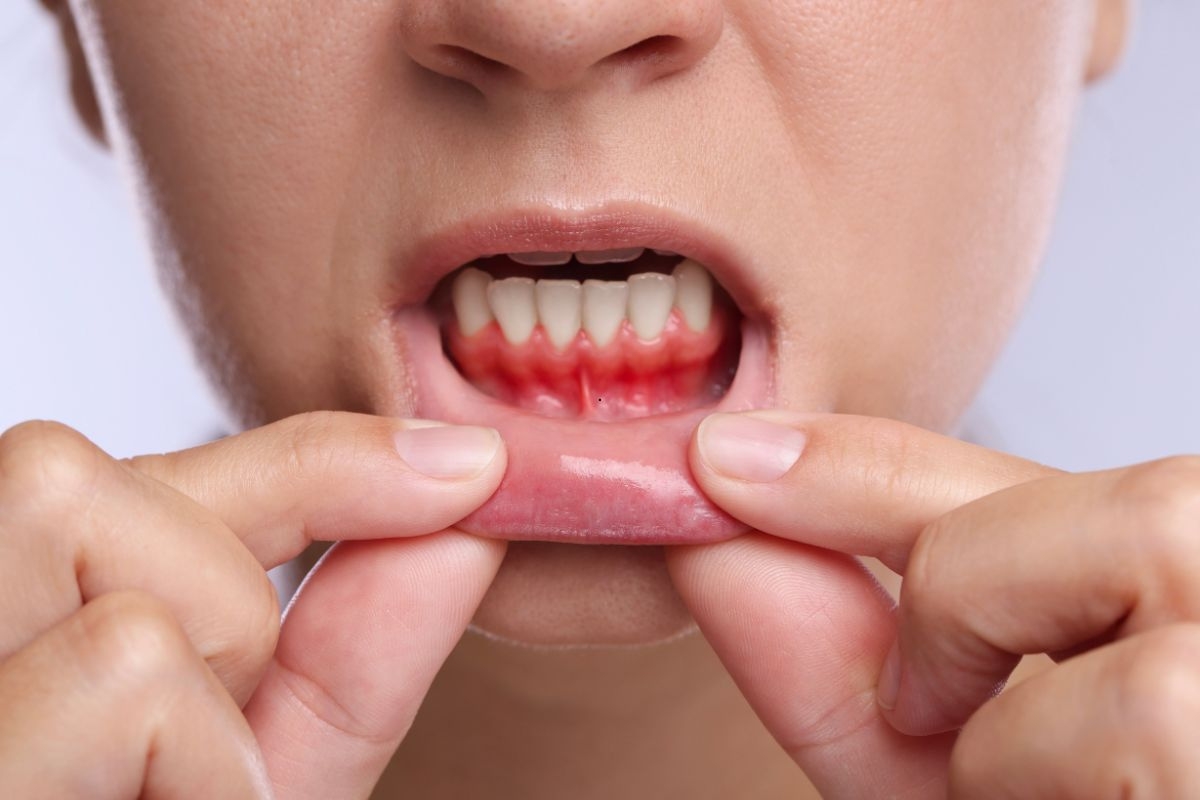


Gum Disease: Understanding the Silent Threat to Your Oral Health
Welcome to our blog post on gum disease! Have you ever wondered why your gums sometimes feel tender or bleed when you brush your teeth? Well, it could be a sign of gum disease. This silent threat to your oral health affects millions of people worldwide but often goes unnoticed until it reaches advanced stages. But don’t worry, we’re here to shed light on this common condition and provide you with valuable insights into its causes, symptoms, treatment options, home remedies, and preventive measures. So let’s dive in and discover everything you need to know about gum disease in Grants Pass!
What is Gum Disease?
Gum disease, also known as periodontal disease, is an infection that affects the tissues surrounding and supporting your teeth. It starts with the buildup of plaque, a sticky film of bacteria that forms on the surface of your teeth. When not properly removed through regular brushing and flossing, this plaque hardens into tartar, which can only be removed by a dental professional.
As tartar accumulates along the gumline, it causes inflammation and irritation in your gums. This early stage is called gingivitis and is characterized by symptoms such as redness, swelling, tenderness, and bleeding during brushing or flossing.
If left untreated, gingivitis can progress to periodontitis. At this stage, the infection spreads below the gumline and affects the underlying bone structure. As a result, pockets form between your gums and teeth where more bacteria accumulate. Over time these pockets deepen leading to further damage to both gums and bone.
Advanced stages of gum disease may cause symptoms like persistent bad breath (halitosis), receding gums that expose tooth roots or make teeth appear longer than usual, loose teeth, or changes in bite alignment.
Regular dental check-ups are essential for detecting gum disease early on when it’s easier to treat effectively. Stay tuned for our next blog section where we will explore some common causes of gum disease!
The Causes of Gum Disease
The causes of gum disease can vary, but they all have one thing in common: poor oral hygiene. When we neglect to properly care for our teeth and gums, bacteria can build up and lead to inflammation and infection.
One common cause of gum disease is plaque buildup. Plaque is a sticky film that forms on the teeth when bacteria combine with saliva and food particles. If not removed through regular brushing and flossing, plaque hardens into tartar, which can only be removed by a dental professional.
Another cause of gum disease is smoking or tobacco use. Smoking weakens the immune system, making it harder for the body to fight off infections in the gums. It also reduces blood flow to the gums, making them more susceptible to damage.
Hormonal changes in women can also increase the risk of developing gum disease. During puberty, pregnancy, and menopause, hormonal fluctuations can affect blood circulation in the gums and make them more sensitive.
Certain medications can also contribute to gum disease by reducing saliva production or causing abnormal growth of gum tissue. Additionally, conditions such as diabetes or autoimmune disorders weaken the body’s ability to fight off infections and increase susceptibility to gum disease.
Now that you understand some of the causes behind this silent threat to your oral health, it’s important to take proactive steps to prevent gum disease from occurring or worsening. Stay tuned for our next blog section where we will discuss how you can identify if you have developed symptoms related to Gum Disease!
The Symptoms of Gum Disease
Gum disease is a silent threat that can wreak havoc on your oral health if left untreated. Recognizing the symptoms of gum disease is crucial to address it promptly and prevent further damage.
One common symptom of gum disease is red, swollen gums. Healthy gums should have a pinkish color, so any change in color or texture could indicate an issue. Additionally, you may notice bleeding when brushing or flossing. This occurs because the gums are inflamed and more sensitive than usual.
Another sign of gum disease is persistent bad breath. The bacteria associated with gum disease release toxins that contribute to foul-smelling breath. If you find yourself constantly reaching for mints or mouthwash to mask the odor, it might be time to see a dentist.
As gum disease progresses, you may experience receding gums and loose teeth. This happens as the infection attacks the tissue supporting your teeth, causing them to become unstable.
If you notice any of these symptoms, don’t ignore them! Seek professional dental care immediately to prevent further damage and maintain optimal oral health.
The Treatment of Gum Disease
The treatment of gum disease is essential to prevent further damage and protect your oral health. There are various options available depending on the severity of the condition.
One common treatment for gum disease is a professional cleaning known as scaling and root planing. This deep cleaning removes plaque and tartar buildup from below the gumline, helping to eliminate bacteria and reduce inflammation.
In more advanced cases, surgery may be necessary. This can involve procedures such as flap surgery or bone grafting, which aim to repair damaged tissues and restore a healthy foundation for your teeth.
Antibiotics may also be prescribed to control infection and promote healing. These can come in the form of mouth rinses, gels, or oral antibiotics.
Additionally, maintaining good oral hygiene at home is crucial for successful treatment. Regular brushing and flossing should be accompanied by using antibacterial mouthwashes recommended by your dentist.
Remember that early detection is key when it comes to gum disease. If you notice any signs or symptoms such as bleeding gums or persistent bad breath, don’t hesitate to visit your Grants Pass dentist for an evaluation and appropriate treatment plan tailored specifically to your needs.
Home Remedies for Gum Disease
Home remedies can be a great way to complement professional treatment for gum disease. Although they may not completely cure the condition, they can help alleviate symptoms and promote oral health. Here are some effective home remedies to consider:
- Saltwater rinses: Mix half a teaspoon of salt with warm water and swish it around your mouth for 30 seconds before spitting it out. This simple solution can reduce inflammation and kill bacteria.
- Tea tree oil: Known for its antimicrobial properties, tea tree oil can be applied topically to the gums using a cotton swab or diluted in water as a mouthwash.
- Oil pulling: Swishing coconut oil or sesame oil in your mouth for about 15 minutes each day has been found to reduce plaque buildup and improve gum health.
- Aloe vera gel: Apply pure aloe vera gel directly on the affected gums to soothe irritation and promote healing.
- Green tea: Drinking green tea regularly may help fight inflammation due to its high antioxidant content.
- Vitamin C supplements: Boosting your intake of vitamin C through supplements or foods like oranges, strawberries, and kiwi can support gum health by strengthening blood vessels and reducing inflammation.
It’s important to remember that these home remedies should not replace professional dental care but rather serve as adjuncts to maintain good oral hygiene practices between visits.
How to Prevent Gum Disease
Preventing gum disease is crucial for maintaining optimal oral health. By following a few simple steps, you can keep your gums healthy and prevent the silent threat of gum disease.
- Practice good oral hygiene: Brushing your teeth twice a day with fluoride toothpaste and flossing daily are essential to remove plaque and bacteria from your mouth. Make sure to use proper brushing techniques and replace your toothbrush regularly.
- Visit your dentist regularly: Regular dental check-ups allow your dentist to identify any signs of gum disease early on and provide necessary treatment. Professional cleanings help remove tartar buildup that cannot be removed by regular brushing alone.
- Quit smoking: Smoking increases the risk of developing gum disease as it weakens the immune system’s ability to fight infection. If you smoke, quitting is one of the best things you can do for both your oral health and overall well-being.
- Maintain a healthy lifestyle: A balanced diet rich in fruits, vegetables, whole grains, lean proteins, and low-fat dairy products provides essential nutrients for strong gums and teeth. Limit sugary snacks and beverages that contribute to plaque formation.
- Manage stress levels: High stress levels can weaken the immune system’s response, making it harder for the body to combat infections like gum disease. Incorporating stress management techniques such as exercise, meditation, or yoga into your routine can improve overall oral health.
- Use an antimicrobial mouthwash: Adding an antimicrobial mouthwash recommended by your dentist can help reduce plaque-causing bacteria in hard-to-reach areas of the mouth.
By adopting these preventive measures into your daily routine, you significantly reduce the risk of developing gum disease in Grants Pass or anywhere else! Remember that early detection is key when it comes to successful treatment of periodontal issues – so stay vigilant about monitoring changes in our gums’ appearance or any discomfort experienced while chewing or brushing.