
Why Dental Implants are the Best Way to Replace Missing Teeth
Are you tired of hiding your smile because of missing teeth? Do you long for a solution that will restore your confidence and give you back the ability to eat, speak, and laugh without hesitation? Look no further than dental implants. These remarkable tooth replacements have revolutionized the field of dentistry, providing a permanent and natural-looking solution to replace missing teeth. In this blog post, we’ll explore why dental implants are considered the best way to replace missing teeth in Grants Pass. Get ready to discover how dental implants can transform not only your smile but also your quality of life! So let’s dive in and learn more about these incredible advancements in modern dentistry.
The Benefits of Dental Implants
When it comes to replacing missing teeth, dental implants are truly in a league of their own. Unlike other tooth replacement options, such as dentures or bridges, dental implants offer a range of unique benefits that make them the top choice for many patients.
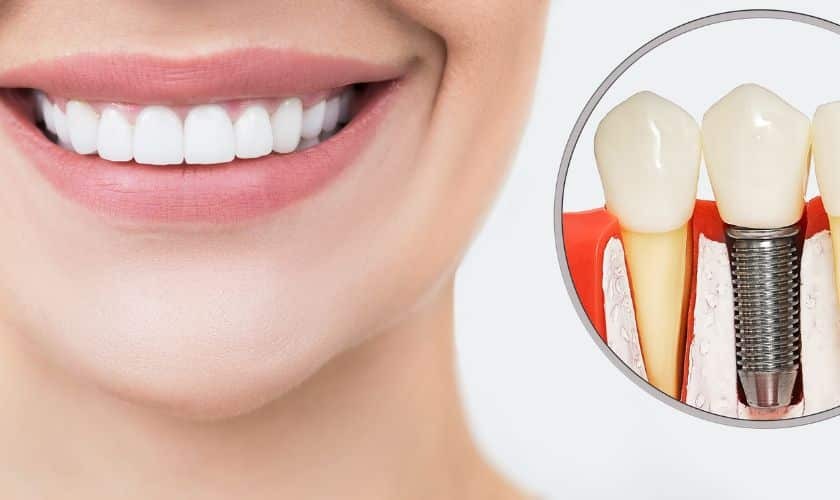
One of the key advantages of dental implants is their ability to mimic the look and feel of natural teeth. Made from high-quality materials like titanium, they are surgically placed into the jawbone where they fuse with the surrounding bone over time. This provides a sturdy foundation for artificial teeth that not only look incredibly realistic but also function just like natural ones.
Another major benefit is that dental implants help preserve your oral health by preventing bone loss in the jaw. When you lose a tooth, the empty socket can cause nearby bone tissue to deteriorate over time. Dental implants stimulate this area and promote new bone growth, ensuring that your jaw remains strong and healthy.
In addition to these physical advantages, dental implants also offer improved comfort and convenience compared to other alternatives. Unlike removable dentures, which can slip out of place or cause discomfort while eating or speaking, dental implants are securely anchored in your mouth and function just like real teeth.
Furthermore, traditional methods like bridges require adjacent healthy teeth to be filed down in order to support the prosthetic tooth. With dental implants, however, neighboring teeth remain untouched and fully intact.
Comparison with Other Tooth Replacement Options
When it comes to replacing missing teeth, there are several options available. From dentures to bridges, each option has its own set of pros and cons. However, dental implants stand out as the top choice for many reasons.
Dentures are a common tooth replacement option. They are removable and can replace multiple missing teeth. However, they can be uncomfortable and may shift or move while eating or speaking. Bridges, on the other hand, involve neighboring teeth being used as anchors for the artificial tooth. While this can provide stability, it requires altering healthy adjacent teeth.
In comparison, dental implants offer numerous advantages. Unlike dentures or bridges, implants are fixed into the jawbone through a surgical procedure. This provides a stable foundation that feels and functions like natural teeth.
Implants also help maintain bone density in the jaw by stimulating bone growth through osseointegration – a process where bone fuses with the implant post over time.
Additionally, dental implants look incredibly realistic as they are custom-made to match your natural tooth color and shape.
When comparing tooth replacement options like dentures and bridges to dental implants in Grants Pass , it’s clear that implants offer superior stability, functionality,and aesthetics without compromising healthy adjacent teeth
The Process of Getting Dental Implants
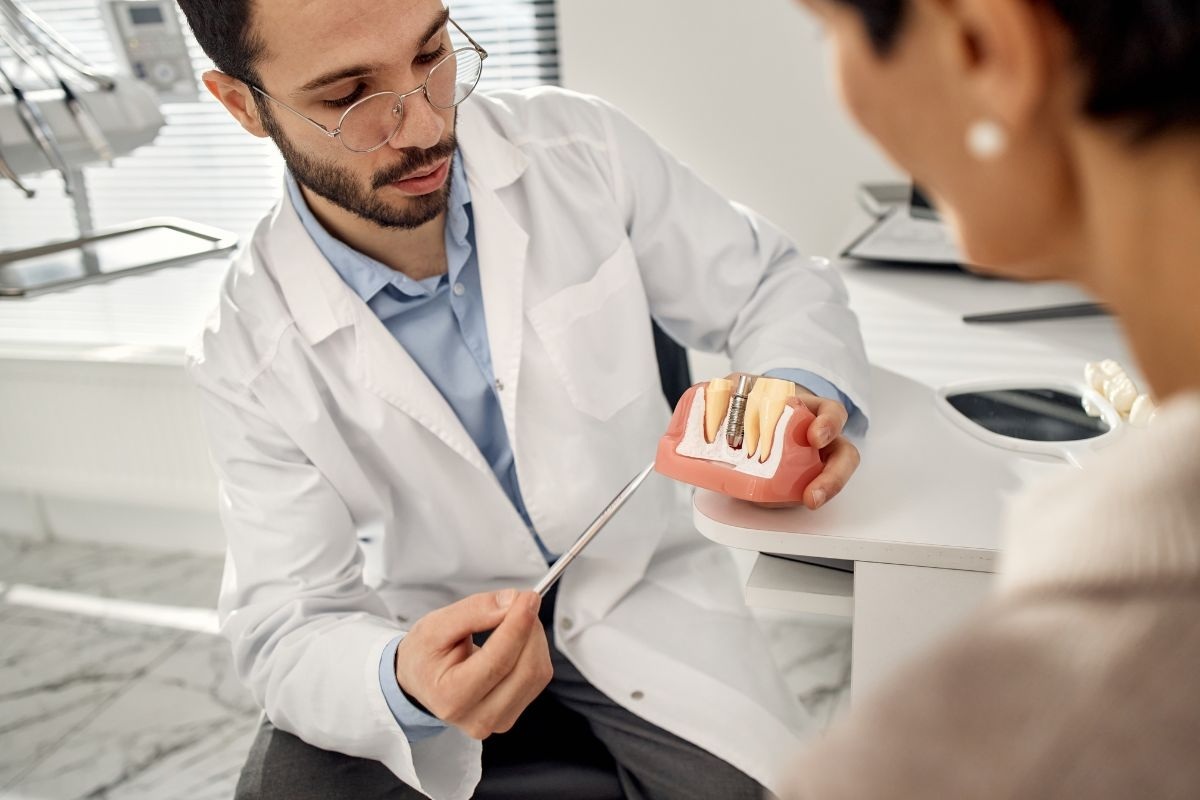
Getting dental implants is a multi-step process that takes time and precision. The first step is a thorough examination by your dentist to determine if you are a good candidate for implants. This may involve X-rays, CT scans, and impressions of your teeth.
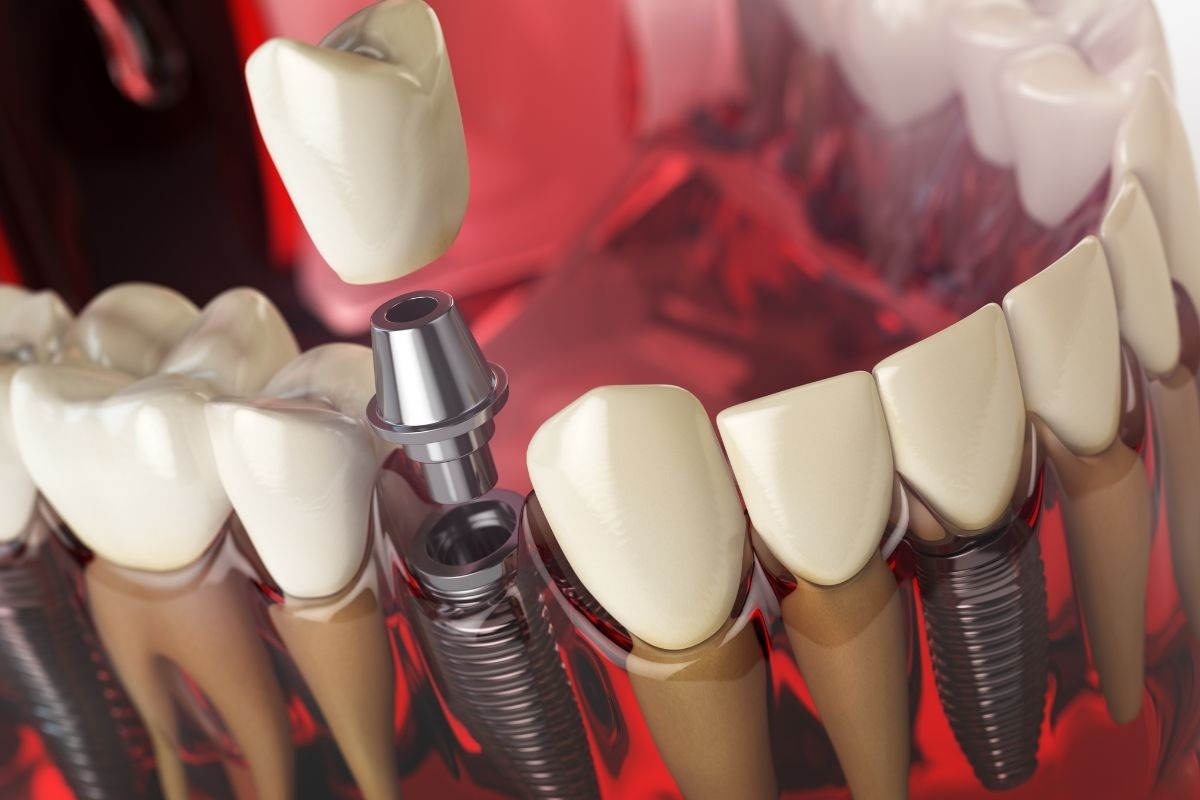
Once it’s determined that you’re eligible for dental implants, the next step is the placement of the implant itself. This involves surgically inserting a titanium post into your jawbone, which will serve as the root for your new tooth.
After the implant has been placed, there is typically a healing period of several months. During this time, osseointegration occurs – meaning that the bone fuses with the implant to create a strong foundation.
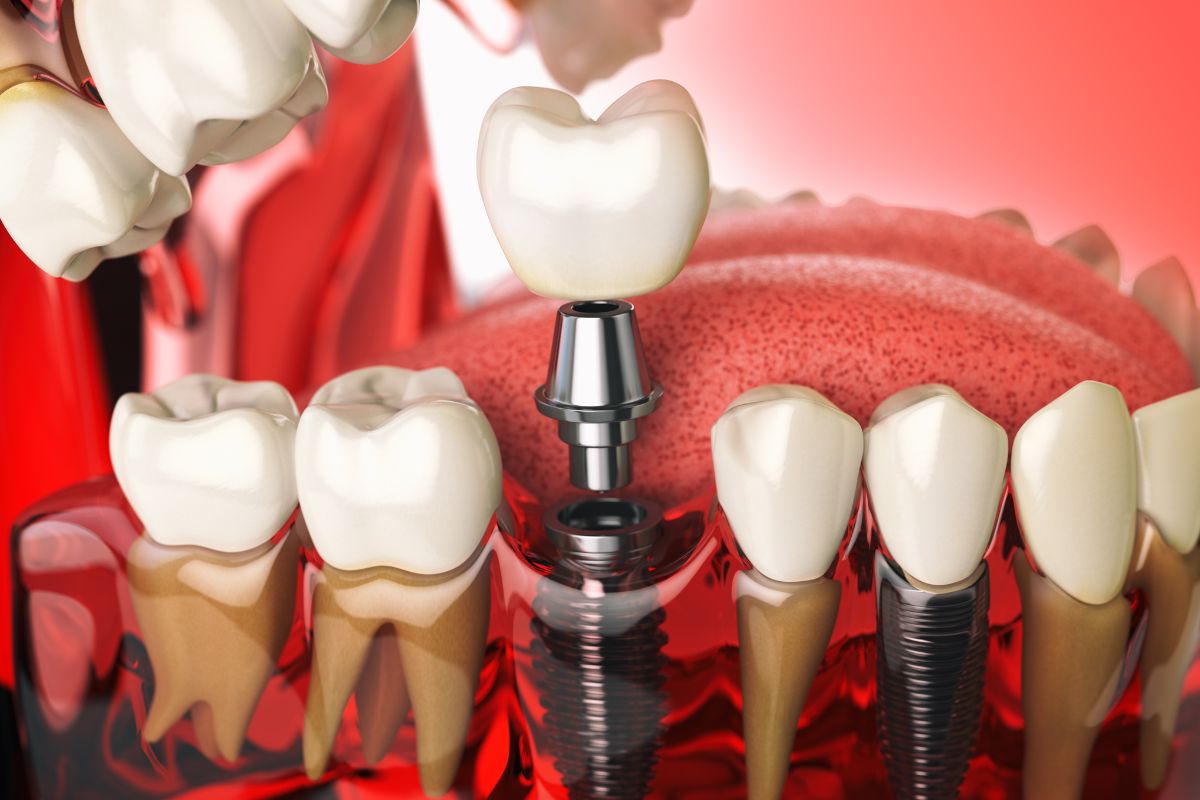
Once healing is complete, an abutment – or connector piece – is attached to the implant. This allows for the attachment of an artificial tooth called a crown.
Once everything has healed and settled into place, your dentist will custom-make and attach your new crown to perfectly match your natural teeth in size, shape, and color.
It’s important to note that each person’s experience with getting dental implants may vary slightly depending on their individual circumstances. It’s best to consult with an experienced dentist who can guide you through each step of the process based on your specific needs.
So don’t let missing teeth hold you back any longer! Consider dental implants as an effective solution for replacing missing teeth today!
Remember: Always consult with a qualified healthcare professional before making any decisions about medical procedures or treatments.
Caring for Dental Implants
Proper care is essential to ensure the longevity and success of your dental implants. Fortunately, caring for dental implants is relatively straightforward and comparable to maintaining natural teeth.
First and foremost, it is important to maintain good oral hygiene practices. This includes brushing your teeth at least twice a day with a soft-bristle toothbrush and fluoride toothpaste. Be sure to pay extra attention to the areas surrounding your dental implants, removing any plaque or food debris that may accumulate.
Flossing is also crucial in keeping your dental implants clean. Using floss or interdental brushes, gently clean between each implant and adjacent natural teeth. This helps prevent gum disease and keeps the supporting tissues healthy.
Regular visits to your dentist are vital for monitoring the condition of your dental implants. Your dentist can perform routine check-ups, professional cleaning, and address any concerns you may have regarding their maintenance.
In addition to proper oral hygiene habits, it’s important to avoid bad habits that could potentially damage your dental implants. These include biting on hard objects like ice or pens, chewing on sticky foods like caramel or taffy, smoking tobacco products, and excessive alcohol consumption.
By following these simple guidelines for caring for dental implants Grants Pass residents can enjoy a confident smile that lasts a lifetime!
Common Questions and Concerns About Dental Implants
When it comes to dental implants, there are often common questions and concerns that arise. Let’s address some of them here:
1) Will the procedure be painful? Many people worry about experiencing pain during the dental implant process. However, rest assured that your dentist will use local anesthesia to numb the area before starting the procedure. This ensures a comfortable experience for you.
2) How long does it take for dental implants to heal? Healing time can vary from person to person, but on average, it takes about three to six months for the implant site to fully heal and integrate with your jawbone. During this time, temporary crowns or dentures may be used until your permanent restoration is ready.
3) Are dental implants expensive? While dental implants may initially seem more costly than other tooth replacement options, they offer long-term benefits that make them worth considering. Dental implants are durable and can last a lifetime with proper care.
4) Can anyone get dental implants? In general, most individuals who have good oral health and sufficient jawbone density are candidates for dental implant placement. However, certain medical conditions such as uncontrolled diabetes or heavy smoking may affect eligibility.
5) What if I already have dentures or bridges? It is possible to replace traditional dentures or bridges with dental implants. Your dentist will evaluate your specific situation and discuss whether this option is suitable for you.
Remember, each patient’s case is unique, so consulting with a qualified dentist is crucial in addressing any additional questions or concerns you may have regarding dental implants.
Why Dental Implants are the Top Choice for Replacing Missing Teeth
When it comes to replacing missing teeth, dental implants stand out as the best option available. Not only do they provide a long-lasting solution, but they also offer numerous benefits that other tooth replacement options simply cannot match.
One of the key advantages of dental implants is their ability to mimic natural teeth. With their titanium posts acting as artificial roots and custom-made crowns blending seamlessly with your existing teeth, no one will be able to tell the difference. This means you can confidently smile, talk, and eat without any self-consciousness or discomfort.
In addition to their aesthetic appeal, dental implants also offer exceptional functionality. Unlike dentures or bridges that may slip or move while eating or speaking, dental implants are firmly anchored in your jawbone. This stability allows you to chew and speak naturally without worrying about any embarrassing mishaps.
Furthermore, dental implants contribute significantly to oral health by preventing bone loss and preserving facial structure. When a tooth is lost, the underlying bone begins to deteriorate over time due to lack of stimulation. By placing an implant in the jawbone, this process is halted as it provides necessary stimulation similar to that of a natural tooth root.
Compared to other tooth replacement options such as dentures or bridges which require regular maintenance and replacement over time; dental implants are incredibly durable and long-lasting when properly cared for. They have a success rate of up to 98% and can potentially last a lifetime with proper oral hygiene habits.
The process of getting dental implants involves several stages including consultation, placement of the implant post into the jawbone under local anesthesia, healing period during which osseointegration occurs (the fusion between bone and implant), followed by placing an abutment on top of the post before finally attaching a custom-made crown that matches your natural teeth perfectly.
Caring for dental implants is relatively simple – just maintain good oral hygiene practices such as brushing twice a day, flossing daily, and