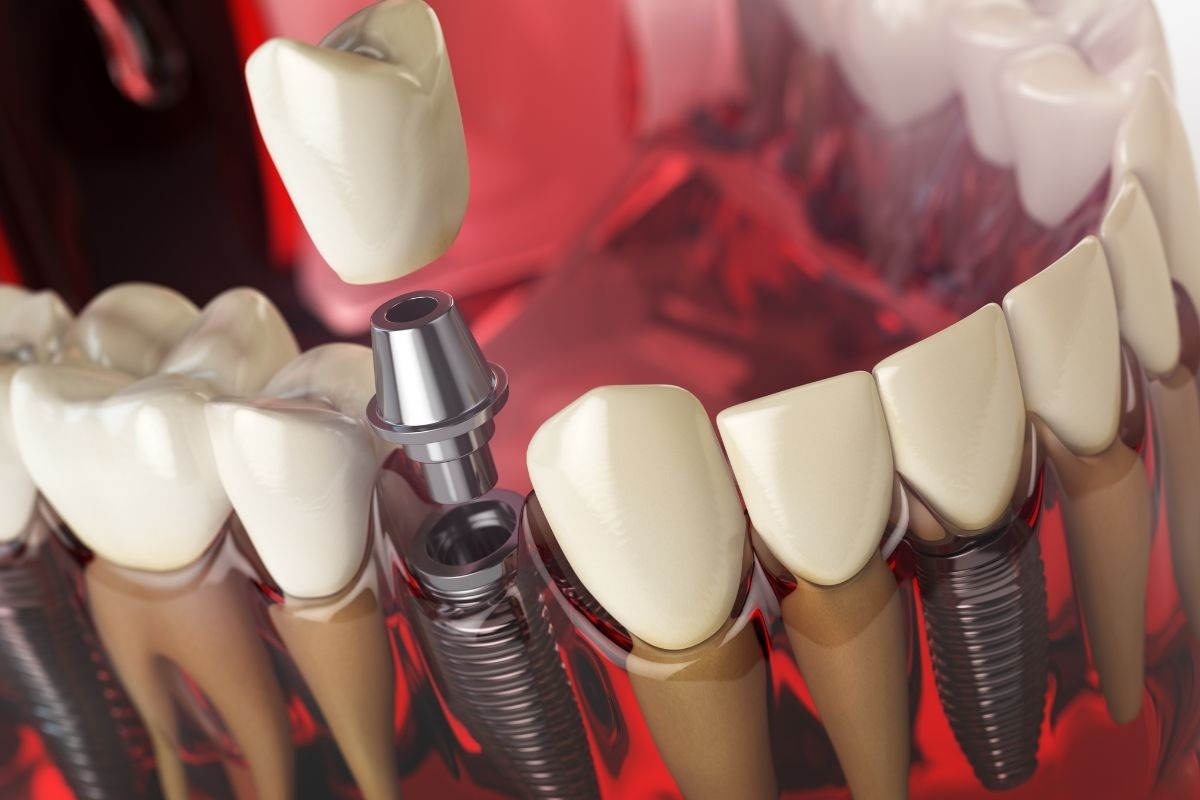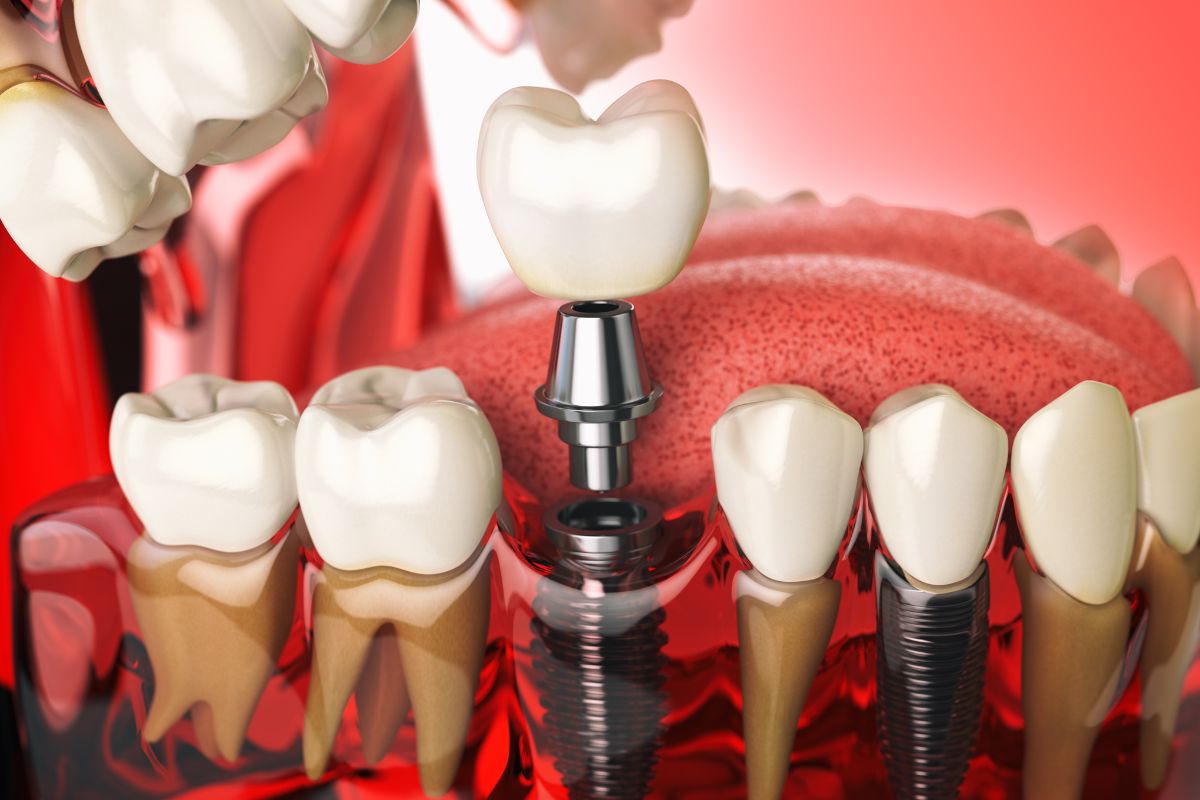


Multiple Tooth Implants: How many teeth can be anchored by a single implant?
Dental implants have revolutionized the field of restorative dentistry, offering a reliable and long-lasting solution for replacing missing teeth. While single-tooth implants are commonly used to replace individual teeth, multiple-tooth implants provide an effective option for replacing several missing teeth in a row. But how many teeth can be anchored by a single implant? Let’s explore this question in detail.
Understanding Multiple Tooth Implants
Multiple-tooth implants, also known as implant-supported bridges or implant-supported dentures, are designed to replace several missing teeth in a row using fewer implants than the number of missing teeth. This is achieved by anchoring a bridge or denture to one or more implants strategically placed along the dental arch.
Factors Influencing the Number of Teeth Anchored
Several factors influence the number of teeth that can be anchored by a single implant:
- Implant Location: The location of the missing teeth along the dental arch plays a significant role in determining the number of implants needed. In areas with higher bite force or greater functional demands, more implants may be required to distribute the load evenly.
- Bone Density and Volume: Sufficient bone volume and density are essential for successful implant placement and stability. In cases where bone loss has occurred due to tooth extraction or periodontal disease, bone grafting may be necessary to augment the bone volume and provide adequate support for the implants.
- Implant Size and Design: Advances in implant technology have led to the development of various implant sizes and designs to accommodate different clinical situations. Larger implants with wider diameters and longer lengths may be used to support multiple teeth and distribute the forces more effectively.
- Prosthetic Design: The design of the prosthetic restoration, such as a bridge or denture, also influences the number of implants required. Implant-supported bridges can span longer edentulous spaces with fewer implants compared to traditional bridges supported by natural teeth.
Options for Multiple Tooth Implants
Several options are available for replacing multiple missing teeth with dental implants:
- Implant-Supported Bridge: A bridge supported by implants can replace several missing teeth in a row. The number of implants needed depends on the size and location of the edentulous space.
- Implant-Supported Denture: An implant-supported denture, also known as an overdenture, utilizes implants as anchors to support and stabilize the denture. Depending on the case, as few as two to four implants may be used to support a full-arch denture.
- All-on-4®️ or All-on-6: These innovative techniques involve anchoring a full arch denture to as few as four or six implants strategically placed along the dental arch. This approach offers a fixed and stable solution for edentulous patients with minimal implant placement.
Conclusion
In conclusion, the number of teeth that can be anchored by a single implant depends on various factors, including implant location, bone density, implant size and design, and prosthetic requirements. While a single implant can support a crown to replace a single missing tooth, multiple tooth implants allow for the replacement of several missing teeth with fewer implants, offering a functional and aesthetic solution for patients with multiple missing teeth. If you’re considering multiple tooth implants, consult with a qualified dental implant dentist who can assess your individual needs and recommend the most suitable treatment plan for restoring your smile and oral function.