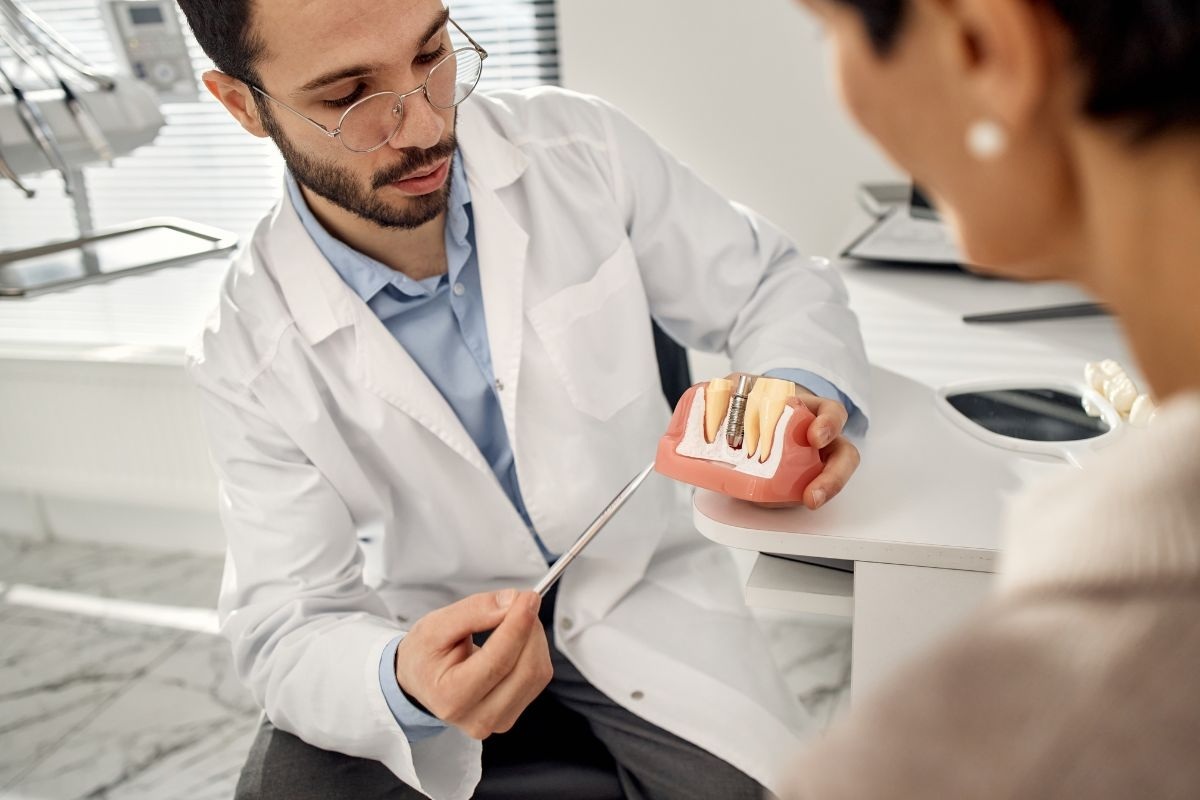


How painful is getting a tooth implant?
Dental implants are a popular and effective solution for replacing missing teeth. While the benefits of dental implants are well documented, many people are concerned about the pain associated with the procedure. Understanding the process and pain management strategies can help alleviate these concerns. Here’s an informative guide on how painful getting a tooth implant can be.
Understanding the Dental Implant Procedure
To understand the potential pain involved, it’s important to know the steps of the dental implant process:
1. Initial Consultation and Examination
- During your first visit, the dentist will conduct a thorough examination, which may include X-rays and impressions of your teeth. This step is pain-free.
2. Tooth Extraction (if necessary)
- If the damaged tooth is still present, it will need to be extracted. Tooth extractions are performed under local anesthesia, which numbs the area. You may feel pressure, but not pain.
3. Implant Placement
- The dental implant, a titanium post, is surgically inserted into the jawbone. This procedure is performed under local anesthesia or sedation, ensuring you do not feel pain during the surgery.
4. Healing and Osseointegration
- After the implant is placed, the healing process begins. Osseointegration, where the implant fuses with the jawbone, can take several months. During this period, you may experience some discomfort, but it is typically manageable with over-the-counter pain medications.
5. Abutment and Crown Placement
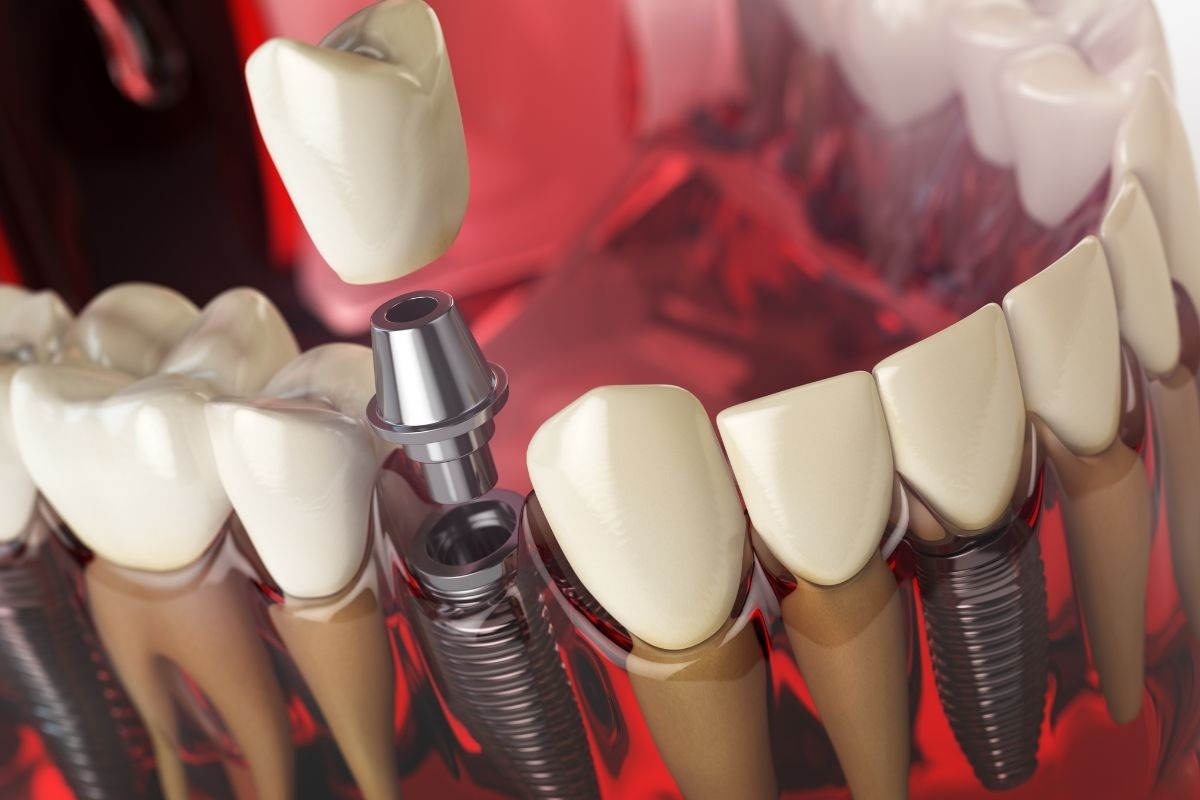
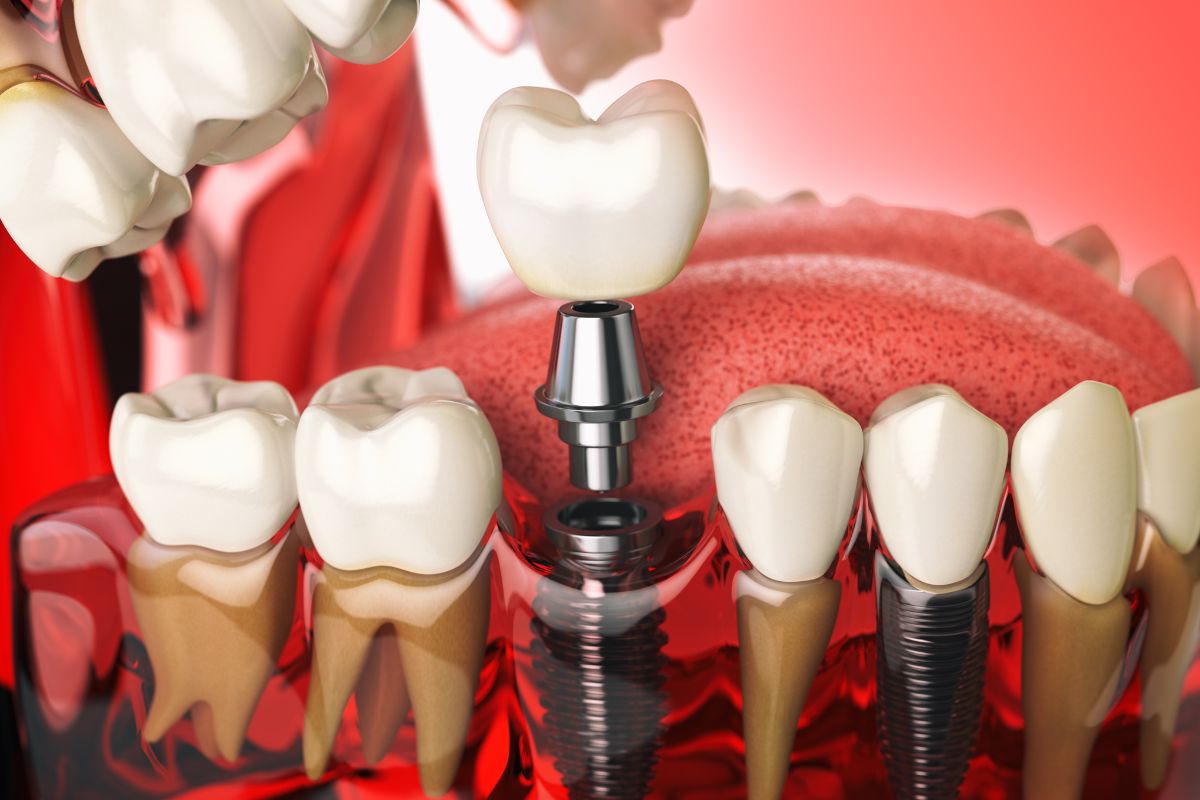
- Once the implant has integrated with the bone, an abutment is placed on top of the implant, followed by the custom-made crown. This step is less invasive and usually causes minimal discomfort.
Pain During the Procedure
Local Anesthesia and Sedation
Most of the pain associated with dental implant surgery is mitigated by the use of local anesthesia, which numbs the surgical area. For patients with higher anxiety levels, sedation options are available to help them relax. You may feel some pressure or vibrations during the procedure, but not pain.
Post-Procedure Pain and Discomfort
Immediate Aftermath
After the anesthesia wears off, you might experience some discomfort similar to that of a tooth extraction. Common sensations include:
- Soreness around the implant site
- Swelling of the gums and face
- Minor bleeding
Pain Management
The pain experienced after the procedure is generally mild to moderate and can be effectively managed with over-the-counter pain relievers such as ibuprofen or acetaminophen. Your dentist may also prescribe stronger pain medications if needed.
Swelling and Bruising
Swelling and bruising are common and typically peak within 48 hours post-surgery. Applying ice packs to the affected area can help reduce swelling.
Diet and Oral Care
Soft foods and a gentle oral hygiene routine are recommended during the initial recovery phase to avoid irritating the implant site.
Long-Term Pain and Complications
Normal Healing Process
Mild discomfort may persist for a few days or a week. However, if you experience severe pain, prolonged swelling, or signs of infection, contact your dentist immediately.
Potential Complications
Complications are rare but can include:
- Infection at the implant site
- Nerve damage, causing persistent numbness or tingling
- Implant failure due to lack of osseointegration
Choosing an experienced dental professional significantly reduces the risk of complications.
Why Choose Dental Implants?
For those considering dental implants, finding a reputable and skilled dentist is crucial. Dental implants in Grants Pass offer a reliable solution with experienced professionals who prioritize patient comfort and successful outcomes. The local dental clinics provide comprehensive care, from initial consultation to post-operative support, ensuring a smooth and less painful experience.
Conclusion
Getting a tooth implant involves some level of discomfort, but advances in dental technology and anesthesia techniques have made the procedure relatively pain-free. Post-procedure pain is usually mild to moderate and can be managed effectively with proper care and medication. If you’re considering dental implants, rest assured that skilled professionals will guide you through every step, prioritizing your comfort and achieving the best possible results for your dental health.