
How Long After Dentures Can You Get Implants?
Transitioning from dentures to dental implants is a significant decision that can greatly improve your quality of life. Dental implants offer a more permanent and natural-looking solution compared to traditional dentures. However, the timing for making this transition is crucial for optimal results. In this blog, we’ll explore the factors that determine how long you should wait after getting dentures before you can get dental implants.
Understanding Dentures and Implants
Dentures
Dentures are removable appliances used to replace missing teeth and surrounding tissues. There are two main types of dentures:
- Complete Dentures: Used when all the teeth are missing.
- Partial Dentures: Used when some natural teeth remain.
Dental Implants
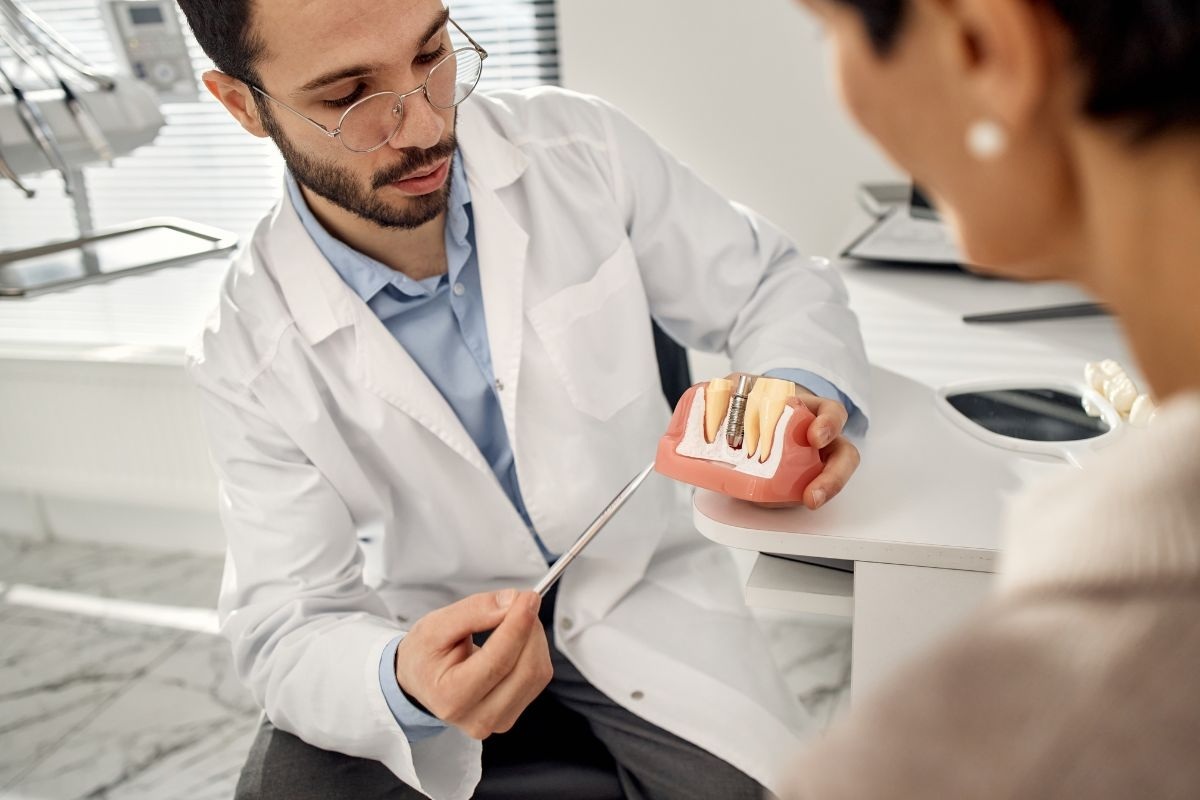
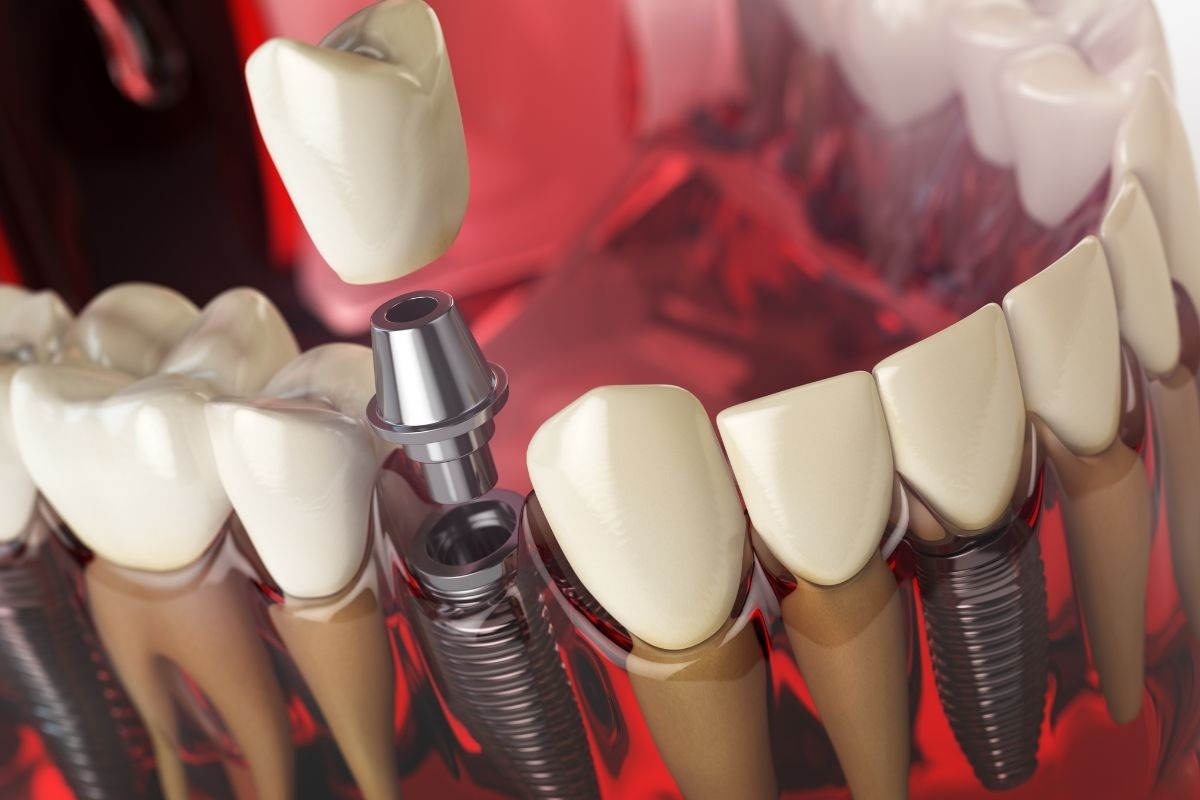
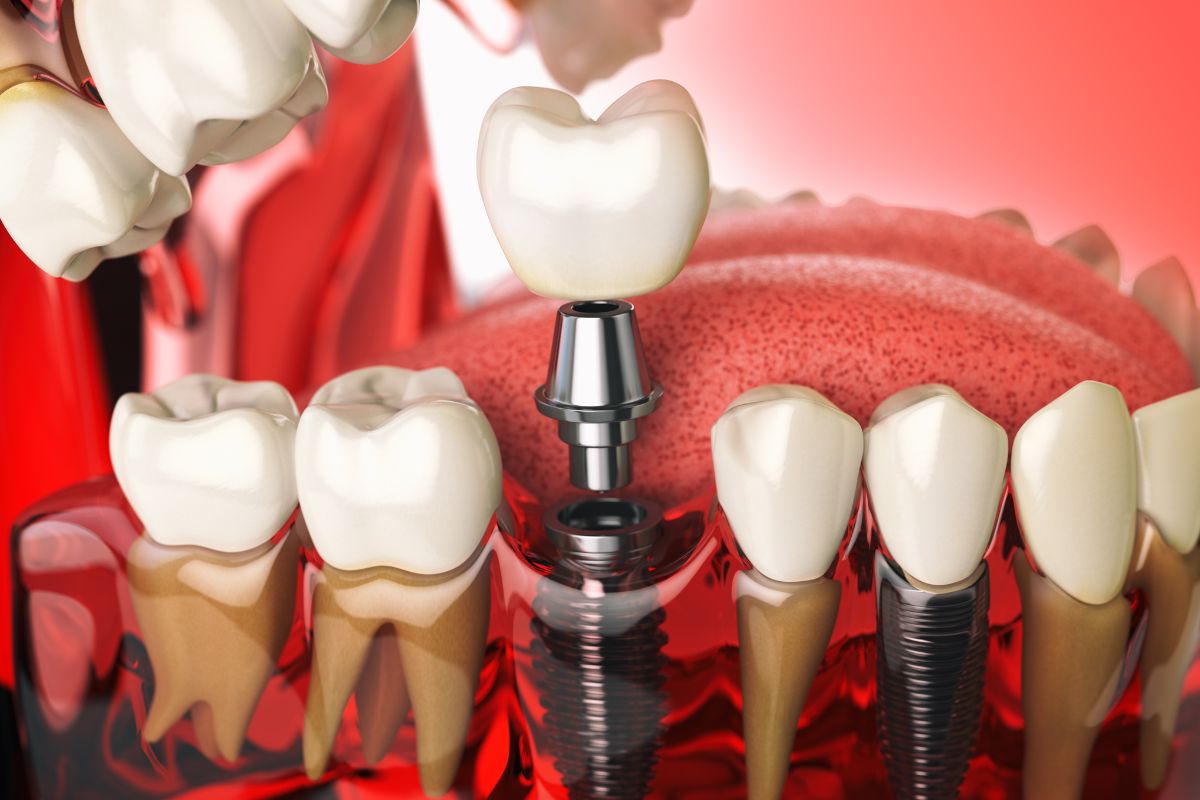
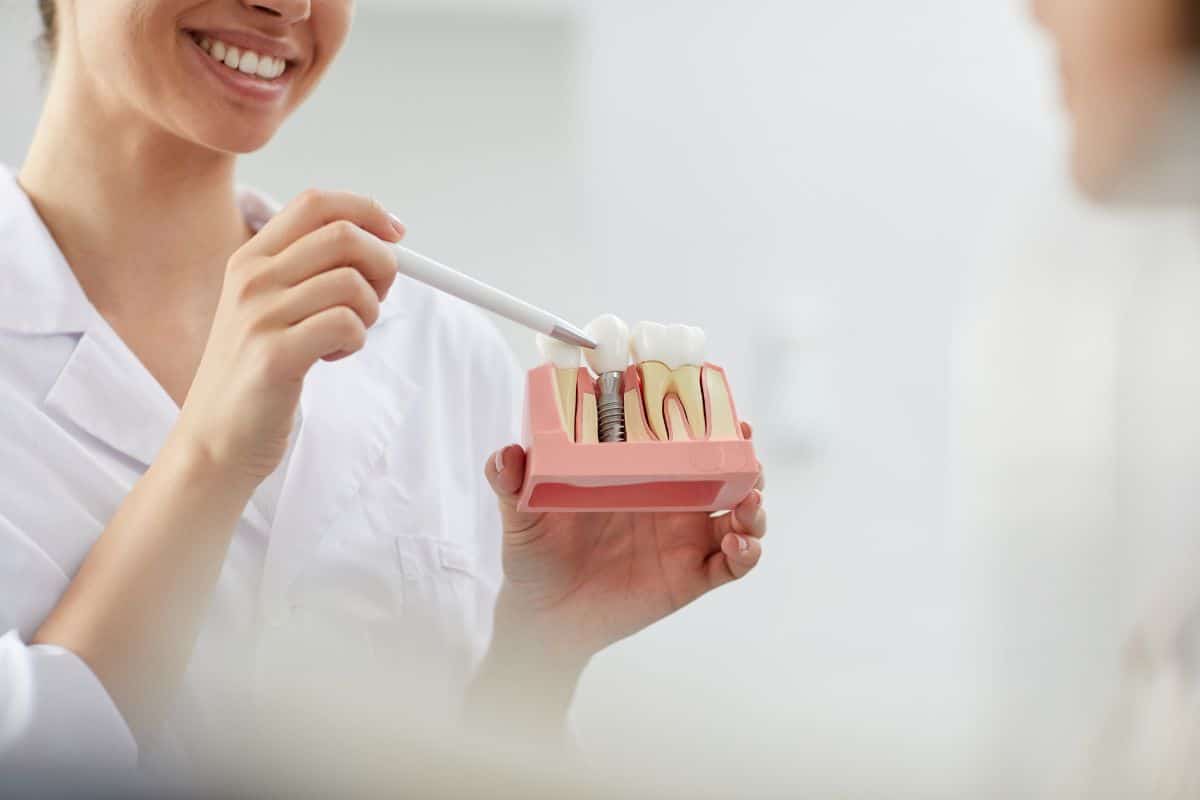
Dental implants are titanium posts surgically placed into the jawbone beneath the gum line. They allow your dentist to mount replacement teeth or a bridge into that area. Dental implants offer a more permanent solution compared to dentures and help maintain the jawbone’s integrity.
Factors Affecting the Timing
- Jawbone Health
- Bone Density: Sufficient bone density is crucial for supporting dental implants. Dentures don’t stimulate the jawbone like natural teeth or implants do, leading to potential bone loss over time. If significant bone loss has occurred, a bone graft might be necessary before implants can be placed.
- Healing: The jawbone and surrounding tissues need to heal after wearing dentures. This healing period allows the gums to adjust and stabilize, which is important for the success of dental implants.
- Duration of Denture Use
- The length of time you have been wearing dentures can impact the timing of getting implants. Long-term denture use can lead to more pronounced bone resorption, potentially requiring additional procedures before implants can be placed.
- Oral Health Condition
- Before transitioning to implants, any existing oral health issues, such as gum disease or infections, must be addressed. Healthy gums and jawbones are essential for the success of dental implants.
- Individual Healing Response
- Everyone’s healing process is different. Some people may be ready for implants sooner, while others might need more time for their gums and jawbone to heal and stabilize fully.
Typical Timeline for Getting Implants After Dentures
While the exact timeline can vary based on individual factors, a general guideline is as follows:
- Initial Assessment and Planning
- The first step is a thorough evaluation by a dental professional. This includes assessing your oral health, jawbone density, and overall suitability for implants. Imaging techniques like X-rays or CT scans may be used to evaluate bone structure.
- Healing Period
- After initial assessment and any necessary preparatory procedures (such as tooth extractions or bone grafts), a healing period of several months is typically required. This period allows the gums and jawbone to heal and stabilize.
- Implant Placement
- Once your dental professional confirms that your jawbone is healthy and stable, the implant placement procedure can be scheduled. This involves surgically inserting the titanium posts into the jawbone.
- Osseointegration
- After the implants are placed, a process called osseointegration occurs. This is when the implants fuse with the jawbone, creating a strong and stable foundation. Osseointegration usually takes several months.
- Final Restoration
- Once osseointegration is complete, the final restoration phase involves attaching the replacement teeth (crowns, bridges, or dentures) to the implants. This completes the process and provides a natural-looking and functional set of teeth.
Consultation with a Dental Professional
It’s important to consult a dental professional to determine the best timing for transitioning from dentures to implants. They can provide a personalized treatment plan based on your specific needs and oral health condition.
Transitioning from dentures to dental implants can significantly enhance your oral health and overall well-being. While the timing can vary, ensuring that your jawbone and gums are healthy and stable before proceeding with implants is essential. A dental professional can guide you through the process and help you achieve the best possible outcome. If you’re considering making the switch, schedule a consultation to discuss your options and create a tailored plan for your journey to a brighter, more confident smile.