

Smoking and Gum Disease: How Tobacco Use Worsens Periodontitis
Smoking is widely known for its detrimental effects on overall health, damaging the lungs, increasing the risk of cancer, and contributing to heart disease. However, one often overlooked consequence of tobacco use is its devastating impact on oral health, especially gum disease, or periodontitis.
In this comprehensive guide, we’ll explore how smoking contributes to gum disease, the biological mechanisms at play, the symptoms and complications of periodontitis in smokers, and what you can do to protect your gums and teeth, even if you’re a current or former smoker.
What Is Periodontitis?
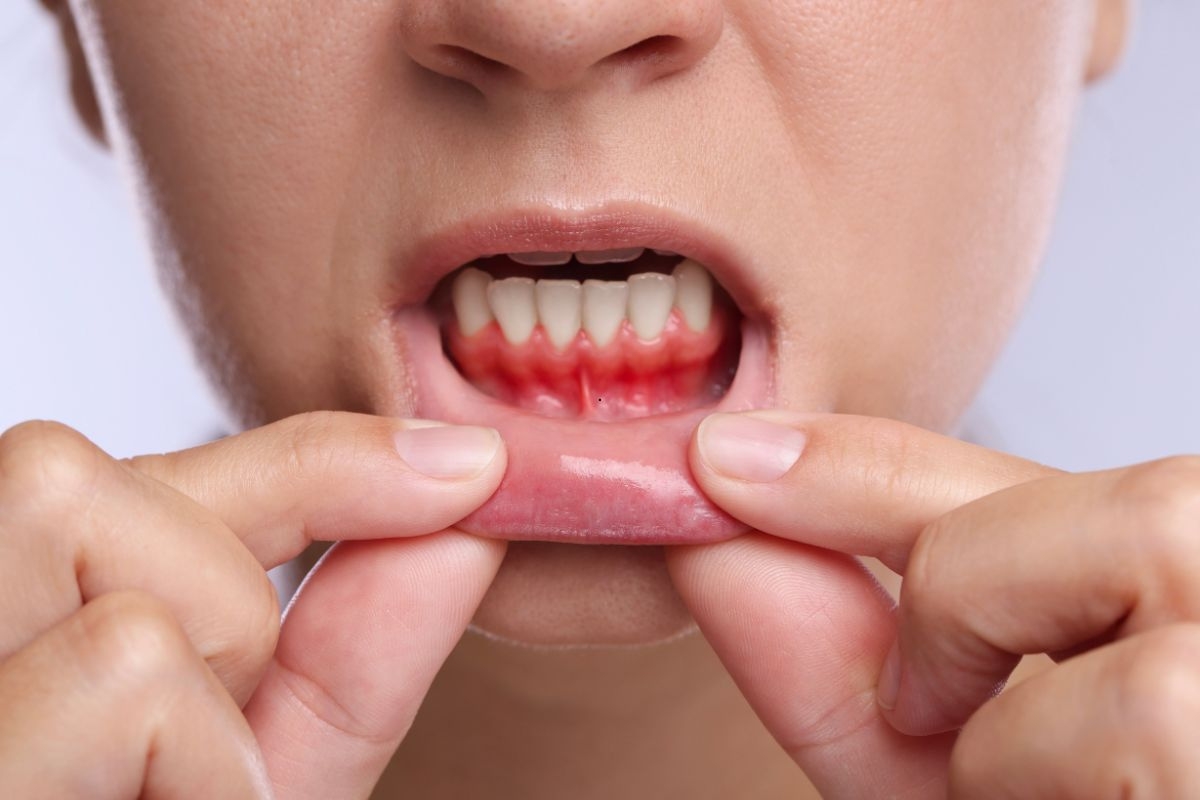
Periodontitis is a serious gum infection that damages the soft tissue and destroys the bone that supports your teeth. If left untreated, it can lead to tooth loss and other health complications. The condition typically begins as gingivitis, or inflammation of the gums, and can progress into periodontitis when plaque and tartar are left untreated.
Common symptoms of periodontitis include:
- Red, swollen, or tender gums
- Bleeding while brushing or flossing
- Persistent bad breath
- Receding gums
- Loose or shifting teeth
- Pain when chewing
Periodontitis is primarily caused by poor oral hygiene, but certain factors—like smoking—can dramatically increase your risk.
How Does Smoking Cause or Worsen Gum Disease?
Smoking doesn’t just increase your chances of developing periodontitis—it also makes the disease more aggressive, harder to treat, and more likely to recur. Here’s how:
1. Weakened Immune Response
Nicotine and other chemicals in tobacco weaken the body’s immune system, making it harder to fight off infections, including those in the gums. This means that even a small amount of bacterial buildup can lead to inflammation and gum disease in smokers.
2. Reduced Blood Flow to the Gums
Tobacco use constricts blood vessels and limits blood flow to the gum tissue. Reduced circulation means the gums receive less oxygen and fewer nutrients, slowing down the body’s ability to heal and fight infection. It also means signs of gum disease—like bleeding gums—may be masked, delaying diagnosis.
3. Changes in Oral Microbiome
Smoking alters the bacterial balance in the mouth, encouraging the growth of harmful pathogens. These bacteria thrive in environments created by tobacco, leading to more plaque accumulation, tartar formation, and ultimately gum damage.
4. Delayed Healing
Even after dental cleanings, gum surgeries, or scaling and root planing, smokers experience slower healing compared to non-smokers. This makes periodontal treatment less effective and increases the likelihood of relapse.
5. Increased Bone Loss
Studies have shown that smokers are more likely to experience jawbone deterioration—a hallmark of advanced periodontitis. This bone loss weakens the support structure for teeth, making tooth loss a common outcome for long-term smokers.
Alarming Statistics on Smoking and Gum Disease
- Smokers are 2 to 6 times more likely to develop gum disease than non-smokers.
- Over 40% of smokers aged 65 and older are toothless due to advanced periodontal disease.
- Smoking is responsible for over 50% of adult cases of periodontal disease in the United States.
- Smokers are less responsive to periodontal treatment, even with professional intervention.
These numbers paint a clear picture: tobacco use and gum disease go hand in hand.
Warning Signs of Gum Disease in Smokers
Because smoking can mask the symptoms of gum disease, it’s important to pay close attention to your oral health. Some signs that may indicate periodontitis include:
- Persistent bad breath (halitosis)
- A bad taste in the mouth
- Gums pulling away from the teeth
- Teeth appearing longer due to gum recession
- Pus between the teeth and gums
- Loose or mobile teeth
- Changes in your bite or the way your teeth fit together
If you notice any of these symptoms, it’s essential to seek professional dental care right away.
Why Gum Disease Is Harder to Treat in Smokers
Even with proper dental intervention, smokers often experience poorer outcomes than non-smokers undergoing the same treatments. Here’s why:
- Lower oxygen levels in gum tissue slow down healing after cleanings or surgeries.
- Plaque reaccumulates faster in the mouths of smokers.
- Smokers may need more frequent deep cleanings or surgical intervention.
- The risk of post-treatment complications is higher in tobacco users.
This makes prevention and early detection absolutely vital for smokers.
Quitting Smoking: A Powerful Step Toward Healthier Gums
The good news? Quitting smoking can significantly improve your gum health, even if you already have periodontitis. Here’s how:
- Improved blood circulation allows your gums to heal faster.
- Your body becomes more responsive to periodontal treatment.
- Your risk of developing further gum complications declines.
- Oral tissues return to a more normal color and texture.
Studies show that people who quit smoking respond almost as well to gum disease treatments as those who have never smoked.
If quitting seems overwhelming, speak with your dental or medical provider about cessation programs, nicotine replacement therapies, or support groups.
How to Manage Gum Disease as a Smoker
If you’re currently smoking and dealing with gum disease, there are steps you can take to minimize damage and manage your oral health:
1. Maintain Excellent Oral Hygiene
Brush your teeth twice a day with fluoride toothpaste, floss daily, and use an antimicrobial mouthwash to control plaque and bacteria.
2. Get Regular Professional Cleanings
Schedule dental checkups and cleanings every 3–6 months. Deep cleanings (scaling and root planing) may be required to remove tartar below the gum line.
3. Monitor Gum Health Closely
Look for signs of gum recession, bleeding, or inflammation. Early detection can prevent minor issues from becoming severe.
4. Use Smoking Cessation Aids
If you’re trying to quit, tools like patches, gum, lozenges, or prescription medications can increase your chances of success.
5. Stay Hydrated and Eat Well
Smoking dries out the mouth, which worsens bacterial growth. Drink water frequently and eat a diet rich in vitamins C and D to support gum healing.
Dental Treatment Options for Smokers with Gum Disease
Depending on the severity of your periodontitis, your dentist or periodontist may recommend:
- Scaling and root planing to clean deep pockets
- Antibiotic therapy to reduce bacterial load
- Gum graft surgery to treat receding gums
- Bone grafting to restore lost bone tissue
- Laser periodontal therapy for minimally invasive treatment
- Regular periodontal maintenance every 3–4 months
Keep in mind that successful treatment outcomes are significantly enhanced if you reduce or quit smoking during your recovery process.
Smoking and gum disease are a dangerous combination, but the damage isn’t always permanent. With the right preventive steps, early intervention, and lifestyle changes, you can take control of your oral health—even if you’ve been smoking for years.
Whether you’re showing early signs of gum disease or simply want to protect your smile, a dental evaluation is the first step toward healthier gums and a brighter future.
Don’t wait until tooth loss becomes a reality—catch the warning signs early and take action.
Request an appointment now to get your gum health assessed and start your journey to a healthier smile.