
How Long Do Dental Crowns Last? Tips for Extending Their Lifespan
Dental crowns are one of the most reliable ways to restore damaged, weakened, or worn teeth. If you’re considering a dental crown or already have one, you may be wondering: how long do dental crowns last?
The good news is that dental crowns are designed to be durable and long-lasting. With proper care, many crowns can serve patients for well over a decade. If you’re looking for a quality dental crown in Grants Pass, understanding what affects crown longevity can help you protect your investment and maintain a healthy smile for years to come.
Quick Answer
Most dental crowns last between 10 and 15 years, but many can last 20 years or longer with excellent oral hygiene and regular dental visits. The lifespan of a crown depends on factors such as the material used, your oral habits, overall dental health, and how well you care for your teeth.
What Is a Dental Crown?
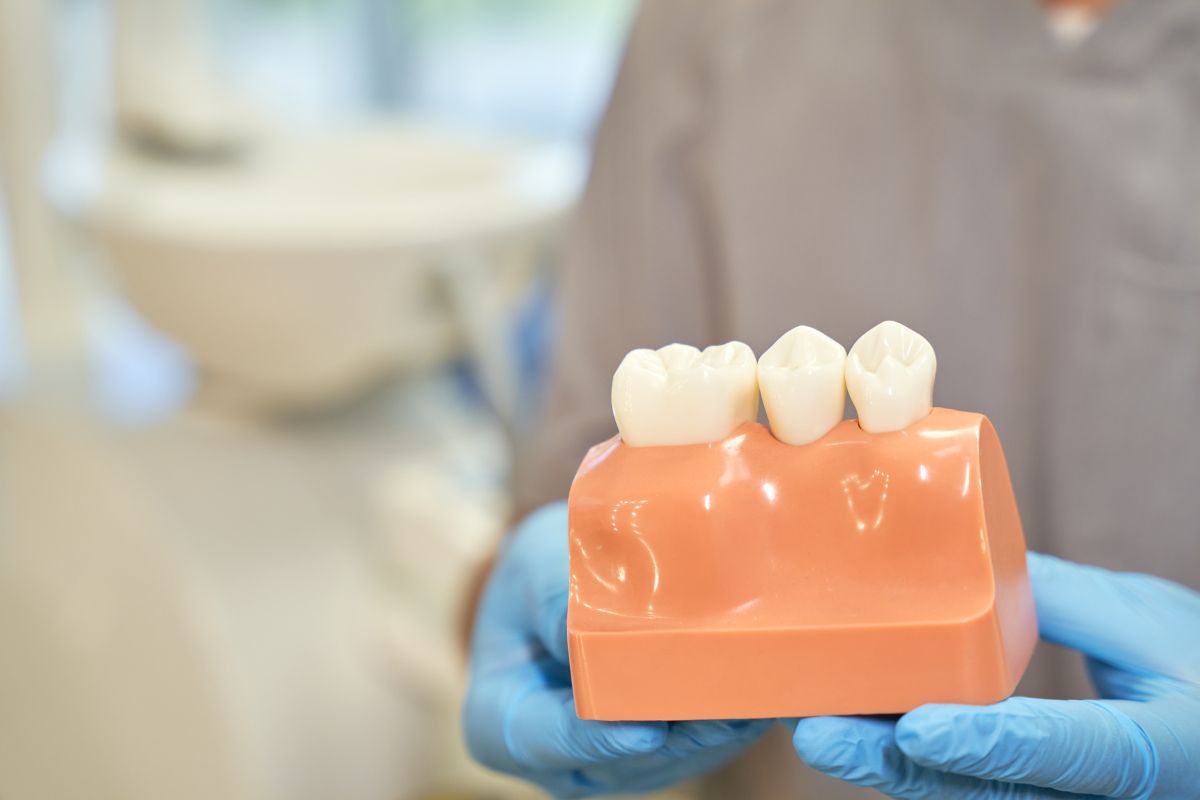
A dental crown is a custom-made cap placed over a damaged or weakened tooth. It restores the tooth’s shape, size, strength, and appearance while protecting it from further damage.
Crowns are commonly recommended for:
- Teeth with large fillings
- Cracked or fractured teeth
- Severely worn teeth
- Teeth following root canal treatment
- Dental implant restorations
- Cosmetic smile improvements
Crowns are commonly recommended for teeth with large fillings, cracked teeth, severe wear, or after root canal treatment. If you’re wondering whether a crown may be the right solution for your smile, learn about the top reasons you might need a dental crown.
How Long Do Dental Crowns Last?
The average lifespan of a dental crown varies depending on the material and how it is maintained.
In general:
- Porcelain and ceramic crowns often last around 10-15 years.
- Porcelain-fused-to-metal crowns commonly last 10-15 years.
- Gold crowns can last 15-30 years.
- Zirconia crowns frequently last 15-20 years or longer.
These are general estimates rather than guarantees. Many patients keep their crowns much longer when they maintain excellent oral hygiene, attend regular dental visits, and avoid habits that place excessive stress on their teeth.
Factors That Affect the Lifespan of Dental Crowns
Oral Hygiene Habits
Good oral hygiene is one of the most important factors in crown longevity.
Although crowns cannot develop cavities, the natural tooth structure underneath can still decay. Plaque buildup around the crown margin may lead to decay, gum disease, or crown failure.
Daily care should include:
- Brushing twice a day
- Flossing daily
- Using fluoride toothpaste
- Rinsing with an antibacterial mouthwash when recommended
Teeth Grinding and Clenching
Bruxism, or chronic grinding and clenching, places excessive pressure on crowns.
Over time, this pressure can:
- Wear down crown surfaces
- Cause cracks or fractures
- Loosen the crown
Patients who grind their teeth often benefit from a custom night guard to protect both natural teeth and restorations.
Crown Material
The material chosen for your crown affects durability.
For example:
- Zirconia crowns are highly resistant to wear and fracture.
- Gold crowns are extremely durable but less commonly selected for visible teeth.
- Porcelain crowns provide excellent aesthetics but may be more susceptible to chipping under heavy force.
Your dentist will recommend the most appropriate material based on your needs.
Diet and Lifestyle Habits
Certain habits can shorten the lifespan of a crown.
Try to avoid:
- Chewing ice
- Biting fingernails
- Opening packages with your teeth
- Frequently eating very hard candies
These behaviors can damage both crowns and natural teeth.
Signs Your Dental Crown May Need Replacement
Even well-maintained crowns eventually wear out.
Watch for these signs:
- Pain when biting
- Increased tooth sensitivity
- Visible cracks or chips
- Gum recession around the crown
- Loose crown movement
- Dark lines near the crown edge
- Recurrent decay around the tooth
If you notice any of these symptoms, schedule an evaluation promptly.
How to Extend the Life of Your Dental Crown
Many patients can significantly increase crown longevity by following a few simple guidelines.
Maintain Excellent Oral Hygiene
Consistent brushing and flossing help protect the tooth beneath the crown and surrounding gum tissue.
Pay special attention to the area where the crown meets the gumline.
Attend Regular Dental Checkups
Routine examinations allow your dentist to detect problems early before they become more serious.
Professional cleanings also help remove plaque and tartar that can contribute to crown complications.
Wear a Night Guard If Needed
If you grind or clench your teeth during sleep, a custom night guard can prevent excessive pressure on your crown.
Avoid Excessive Force
Use your teeth for chewing food, not as tools.
Protecting your crown from unnecessary stress can prevent fractures and extend its lifespan.
Address Dental Problems Early
Prompt treatment of gum disease, tooth decay, or bite issues can help preserve your crown and overall oral health.
Are Dental Crowns Worth the Investment?
For many patients, dental crowns provide excellent long-term value.
Benefits include:
- Restoring chewing function
- Protecting weakened teeth
- Improving smile appearance
- Preventing further damage
- Supporting long-term oral health
While crowns may eventually require replacement, their durability often makes them one of the most effective restorative dental treatments available.
FAQ Section
How do I know if my dental crown is failing?
Common signs include pain when chewing, sensitivity, visible damage, gum recession, or a loose crown. A dental examination can determine whether repair or replacement is necessary.
Can a dental crown last a lifetime?
While crowns are highly durable, they typically do not last forever. With excellent care, some crowns can remain functional for 20 years or more before replacement becomes necessary.
Does a crowned tooth still need brushing and flossing?
Yes. The natural tooth beneath the crown remains vulnerable to decay and gum disease. Daily brushing and flossing are essential for protecting the restoration.
What is the strongest type of dental crown?
Zirconia crowns are often considered among the strongest options available. They offer exceptional durability while maintaining a natural appearance.
Can cavities develop under a dental crown?
Yes. While the crown itself cannot decay, bacteria can affect the natural tooth structure around the crown margins if oral hygiene is neglected.
How often should dental crowns be checked?
Dental crowns should be evaluated during your regular dental exams, typically every six months, to ensure they remain secure and healthy.
Conclusion
So, how long do dental crowns last? Most crowns last between 10 and 15 years, and many remain functional even longer with proper care. Maintaining excellent oral hygiene, attending routine dental visits, and avoiding habits that place excessive stress on your teeth can help maximize the lifespan of your restoration.
If you’re considering a dental crown in Grants Pass or have concerns about an existing crown, contact Pastrell, Buchanan and Hartzell General Dentistry today at +15415798236 to schedule an appointment and receive personalized care for your smile.
Want to stay informed about dental tips, office updates, and patient experiences from our community? Explore our latest community updates on Google to see recent updates, reviews, and helpful information from our Grants Pass dental team.