
How Long Do Dental Implants Last Compared to Other Restorations?
Missing teeth can affect more than your smile. They can impact your ability to chew, speak clearly, and maintain good oral health. One of the most common questions patients ask is, how long do dental implants last compared to other tooth replacement options.
If you’re considering dental implants in Grants Pass, understanding the lifespan of different restorations can help you make an informed decision. While every patient’s situation is unique, dental implants are widely recognized as one of the most durable and long-lasting solutions available today.
Quick Answer
Dental implants can last 20 years or longer, and many patients keep them for a lifetime with proper care. In comparison, dental bridges typically last 10-15 years, while dentures often need replacement every 5-10 years. Regular dental visits, good oral hygiene, and healthy lifestyle habits play a major role in extending the lifespan of any dental restoration.
Understanding Dental Implants
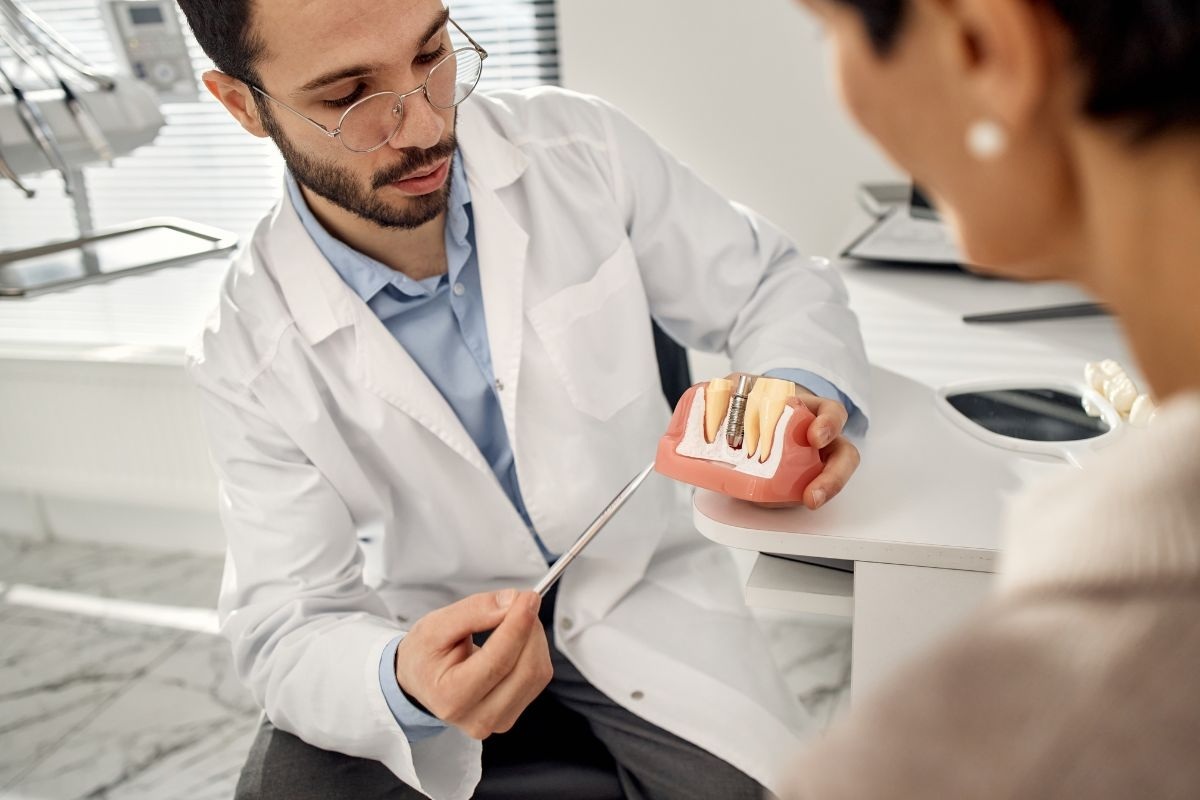
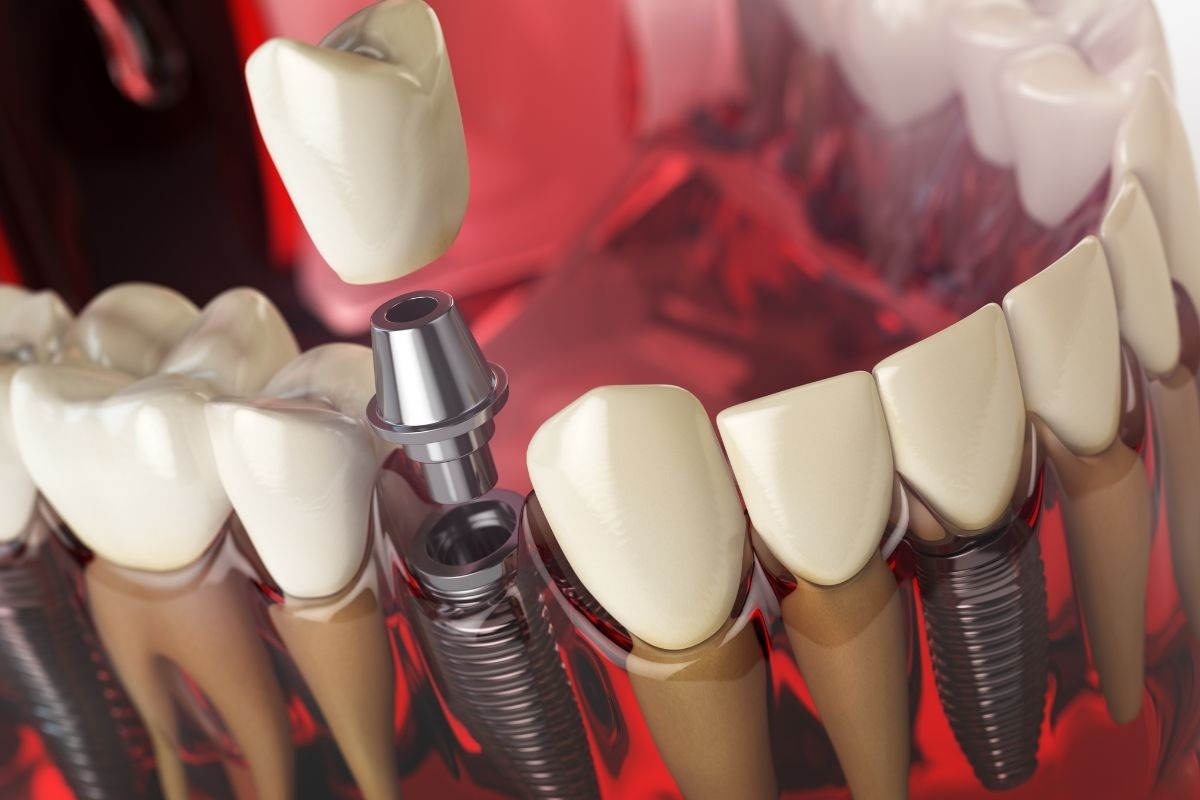
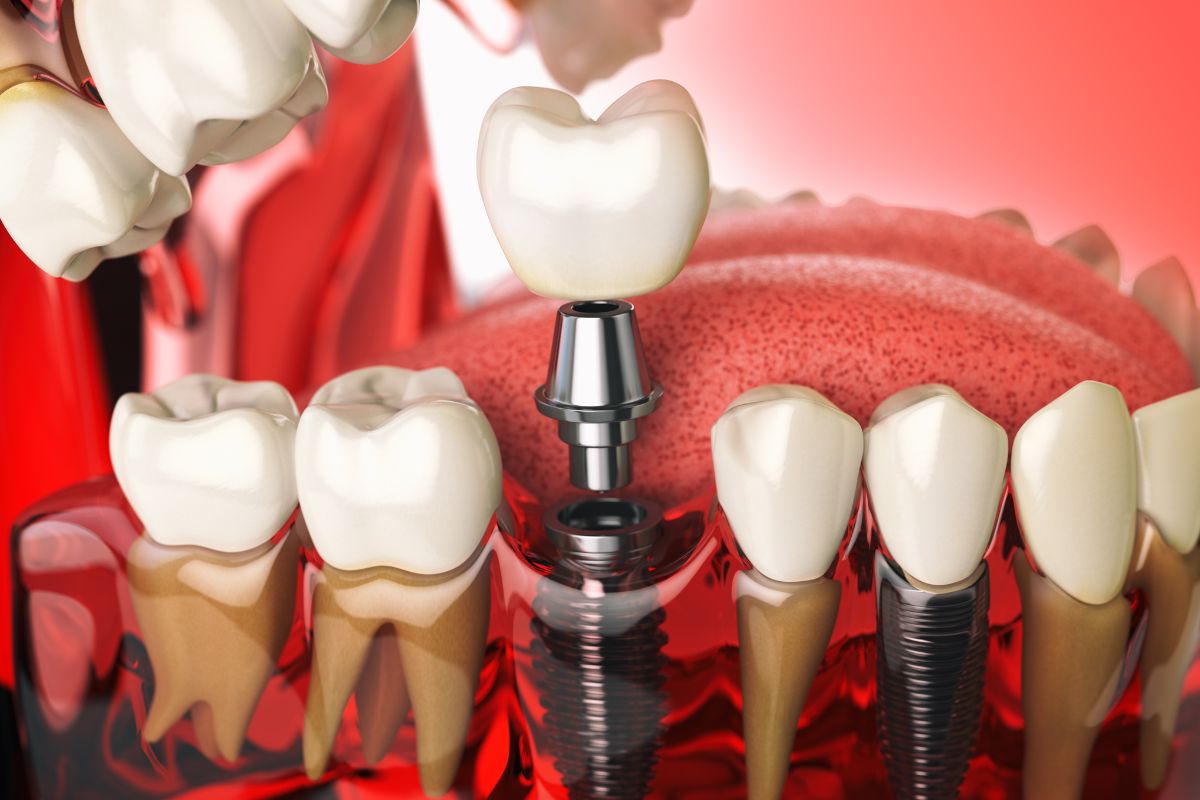
A dental implant is a small titanium post that is surgically placed into the jawbone to replace a missing tooth root. Once the implant integrates with the bone, a custom dental crown is attached to restore appearance and function.
Unlike removable dentures or traditional bridges, dental implants become a permanent part of your oral structure.
Why Are Dental Implants So Durable?
Dental implants are designed to:
- Fuse with the jawbone through osseointegration
- Provide stable support for replacement teeth
- Resist decay
- Prevent bone loss in the jaw
- Restore natural chewing strength
Because of these advantages, implants often outlast other restorative options.
How Long Do Dental Implants Last?
The implant post itself can often last a lifetime when properly maintained. The crown attached to the implant may eventually need replacement due to normal wear and tear, typically after 10-15 years or longer.
Several factors influence implant longevity, including:
- Daily oral hygiene habits
- Regular professional cleanings
- Overall health conditions
- Smoking or tobacco use
- Teeth grinding habits
- Bone quality and density
Patients who follow their dentist’s recommendations often enjoy decades of successful implant function.
Comparing Dental Implants to Other Restorations
Dental Implants
Average lifespan: 20+ years, often lifetime
Benefits include:
- Exceptional durability
- Natural appearance
- Bone preservation
- Easy maintenance
- High success rates
Potential considerations:
- Higher initial investment
- Surgical procedure required
- Healing period before final restoration
Dental Bridges
Average lifespan: 10-15 years
Dental bridges replace missing teeth by attaching artificial teeth to neighboring natural teeth.
Benefits include:
- Faster treatment timeline
- No surgery required
- Effective for many patients
Potential considerations:
- Adjacent healthy teeth must be modified
- Increased risk of decay around supporting teeth
- May require replacement sooner than implants
Dentures
Average lifespan: 5-10 years
Dentures remain a common tooth replacement option, especially for patients missing multiple teeth.
Benefits include:
- Lower upfront cost
- Non-surgical treatment
- Suitable for extensive tooth loss
Potential considerations:
- Can shift while eating or speaking
- Require periodic adjustments
- Do not prevent jawbone deterioration
- May need replacement as facial structures change
Why Do Dental Implants Last Longer?
One key reason implants outperform many alternatives is that they replace both the tooth root and visible tooth structure.
When a tooth is lost, the jawbone begins to shrink because it no longer receives stimulation from the tooth root. Dental implants help preserve bone by mimicking natural tooth roots.
This support helps maintain:
- Jawbone density
- Facial appearance
- Bite alignment
- Long-term oral health
Bridges and dentures replace only the visible portion of missing teeth and cannot provide the same level of bone stimulation.
The Dental Implant Process
Understanding the treatment process helps patients know what to expect.
Initial Consultation
Your dentist evaluates:
- Oral health
- Bone density
- Medical history
- Treatment goals
Digital imaging may be used to create a personalized treatment plan.
Implant Placement
The titanium implant is placed into the jawbone during a minor surgical procedure.
Healing and Integration
Over several months, the implant bonds with the surrounding bone.
Final Restoration
Once healing is complete, a custom crown, bridge, or denture is attached to the implant.
The result is a stable, natural-looking replacement tooth.
Caring for Dental Implants
Proper maintenance is essential for long-term success.
Daily Care Tips
- Brush twice daily
- Floss around implants regularly
- Use recommended oral hygiene tools
- Limit tobacco use
- Wear a nightguard if you grind your teeth
Professional Care
Routine dental visits allow your dentist to:
- Monitor implant health
- Detect problems early
- Perform professional cleanings
- Evaluate surrounding gum tissue
Consistent care significantly increases implant longevity.
Are Dental Implants Worth the Investment?
Although dental implants typically involve a higher upfront cost than bridges or dentures, many patients find them cost-effective over time.
Because implants often last significantly longer and require fewer replacements, they may reduce future restorative expenses.
Patients also appreciate benefits such as:
- Improved confidence
- Better chewing ability
- Natural appearance
- Enhanced comfort
- Long-term oral health support
For patients concerned about aesthetics, natural-looking dental implants can closely mimic the appearance and function of natural teeth, helping create a seamless and confident smile.
Frequently Asked Questions
Do dental implants really last a lifetime?
The implant post can often last a lifetime when properly cared for. However, the attached crown may eventually require replacement due to normal wear after many years of use.
What can cause dental implants to fail?
Common causes include poor oral hygiene, smoking, uncontrolled gum disease, insufficient bone support, and certain medical conditions. Regular dental visits help reduce these risks.
Are dental implants stronger than bridges?
Dental implants are generally considered more durable because they integrate directly with the jawbone and do not rely on neighboring teeth for support.
How often should dental implants be checked?
Most patients should have implant evaluations during routine dental checkups every six months, although some individuals may require more frequent monitoring.
Can older adults get dental implants?
Yes. Age alone does not prevent implant treatment. Overall health, bone quality, and individual treatment goals are more important factors than age.
Do dental implants require special cleaning products?
Most patients can maintain implants using a regular toothbrush, floss, and professional dental cleanings. Your dentist may recommend additional tools if needed.
Conclusion
If you’re wondering how long do dental implants last, the answer is encouraging. With proper care, dental implants can provide decades of reliable function and often outlast bridges and dentures by many years. Their durability, stability, and ability to support long-term oral health make them one of the most trusted tooth replacement options available.
If you’re considering dental implants in Grants Pass, contact Pastrell, Buchanan and Hartzell General Dentistry today at +15415798236 to schedule a consultation. Our team can help you determine the best solution for restoring your smile and protecting your oral health for years to come.
Want to stay updated with the latest dental tips, office announcements, and patient success stories? See patient reviews on Google to explore recent updates, feedback from local patients, and helpful information from our Grants Pass dental team.