
What Should Know Before Getting Dental Implants? Important Facts
Dental implants are one of the most reliable and natural-looking solutions for replacing missing teeth. If you’re wondering what to know before getting dental implants, it’s important to understand the treatment process, candidacy requirements, healing timeline, and long-term care. Learning these key facts can help you make informed decisions and feel more confident about restoring your smile.
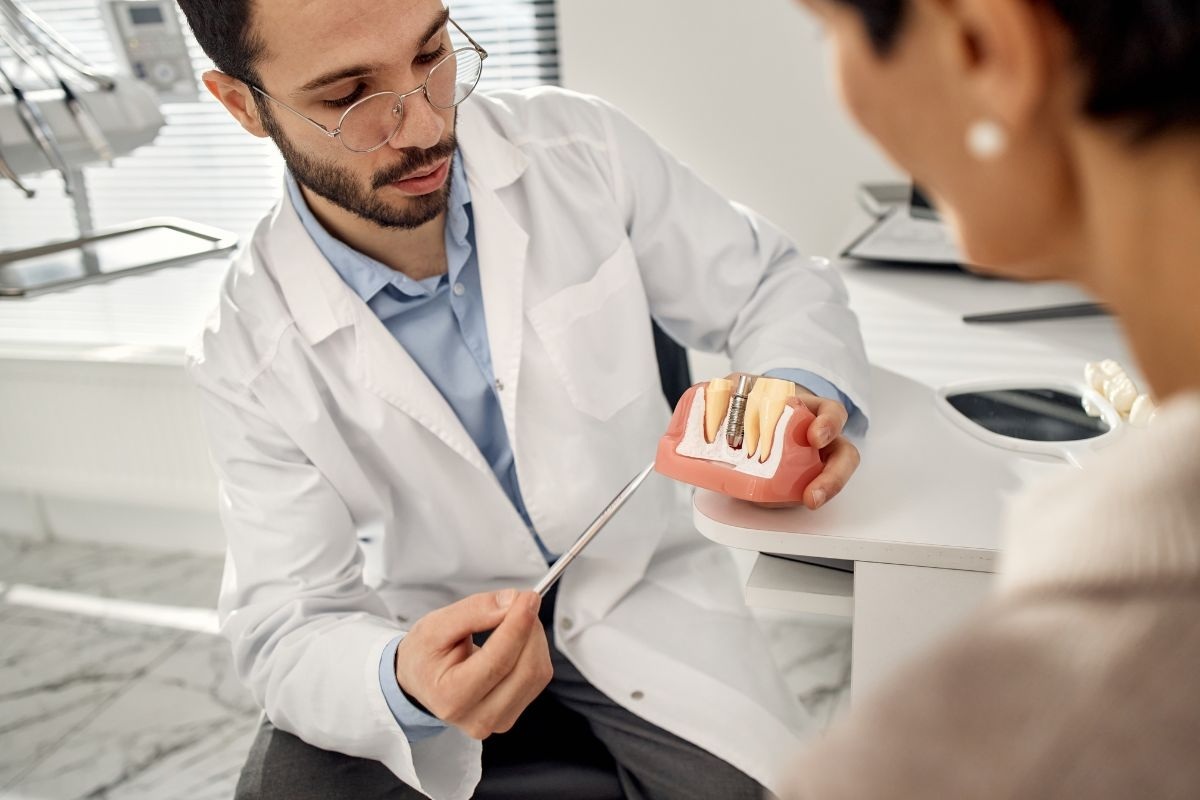
Before recommending dental implants, your dentist will evaluate your oral health, jawbone density, and overall medical history to determine whether implant treatment is right for you. Every patient is different, which is why a personalized consultation is an important first step.
12 Important Things to Know Before Getting Dental Implants
1. Dental Implants Are a Permanent Solution:
Dental implants are designed to be a long-term, if not permanent, solution for tooth replacement. Unlike traditional dentures or bridges, dental implants are surgically placed into the jawbone, offering stability and durability comparable to natural teeth.
2. Comprehensive Evaluation is Essential:
Before getting dental implants, a comprehensive dental and medical evaluation is necessary. Your dentist will assess your overall health, examine your oral condition, and evaluate the density and quality of your jawbone. This evaluation helps determine if you are a suitable candidate for dental implants.
3. Adequate Jawbone is Necessary:
For dental implants to be successful, there must be sufficient jawbone to support the implant. If you have experienced bone loss due to missing teeth or other factors, bone grafting may be recommended to augment the jawbone and provide a stable foundation for the implant.
4. Implant Placement Requires Surgery:
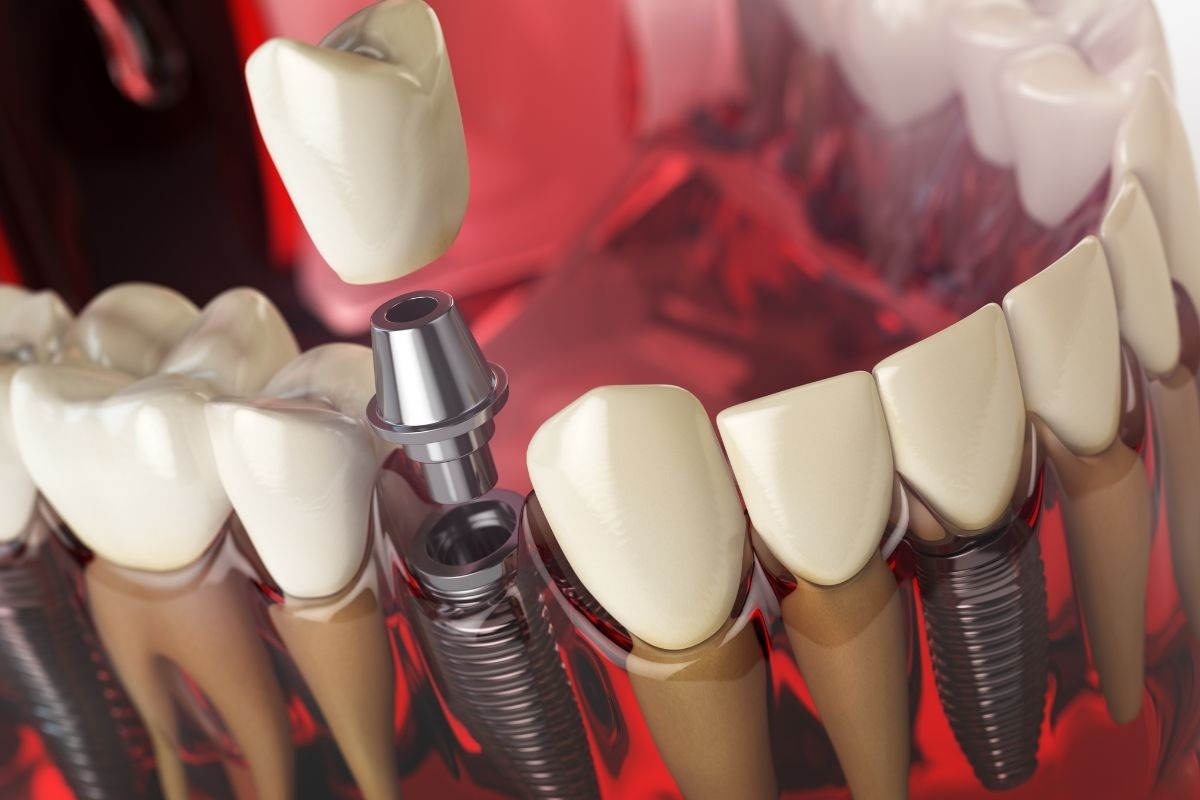
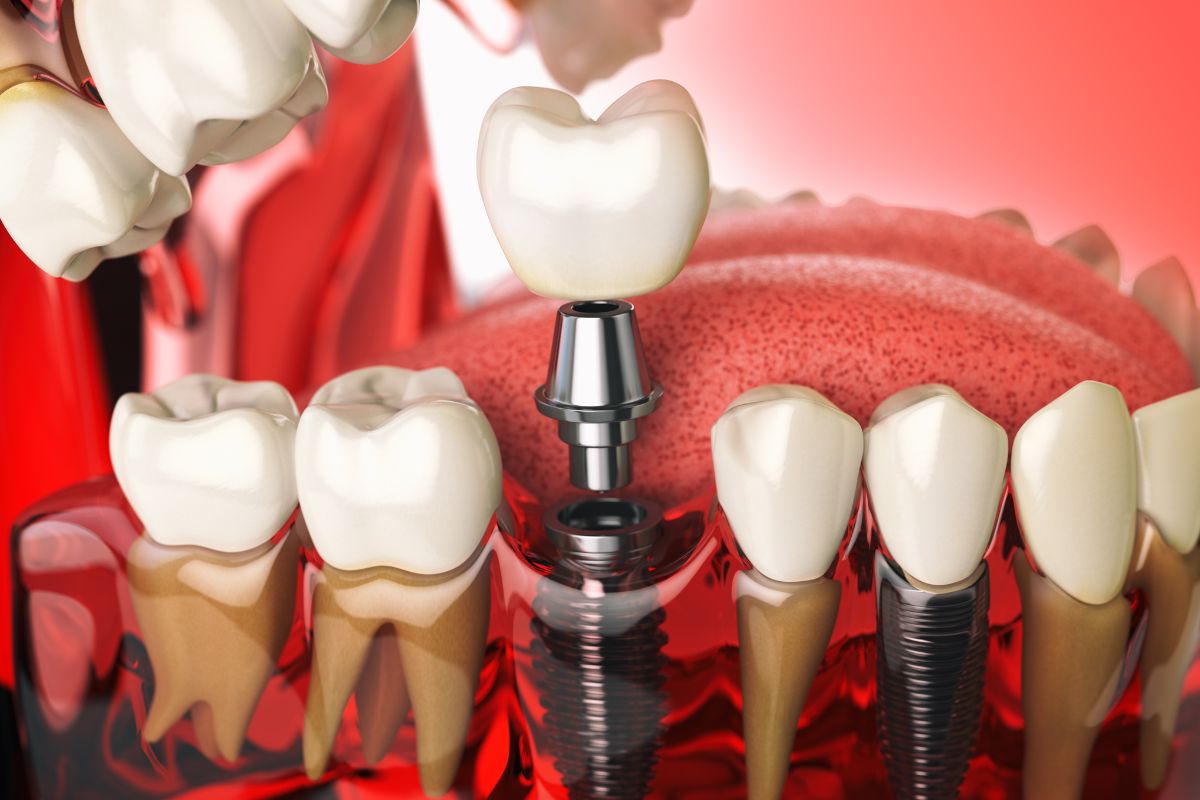
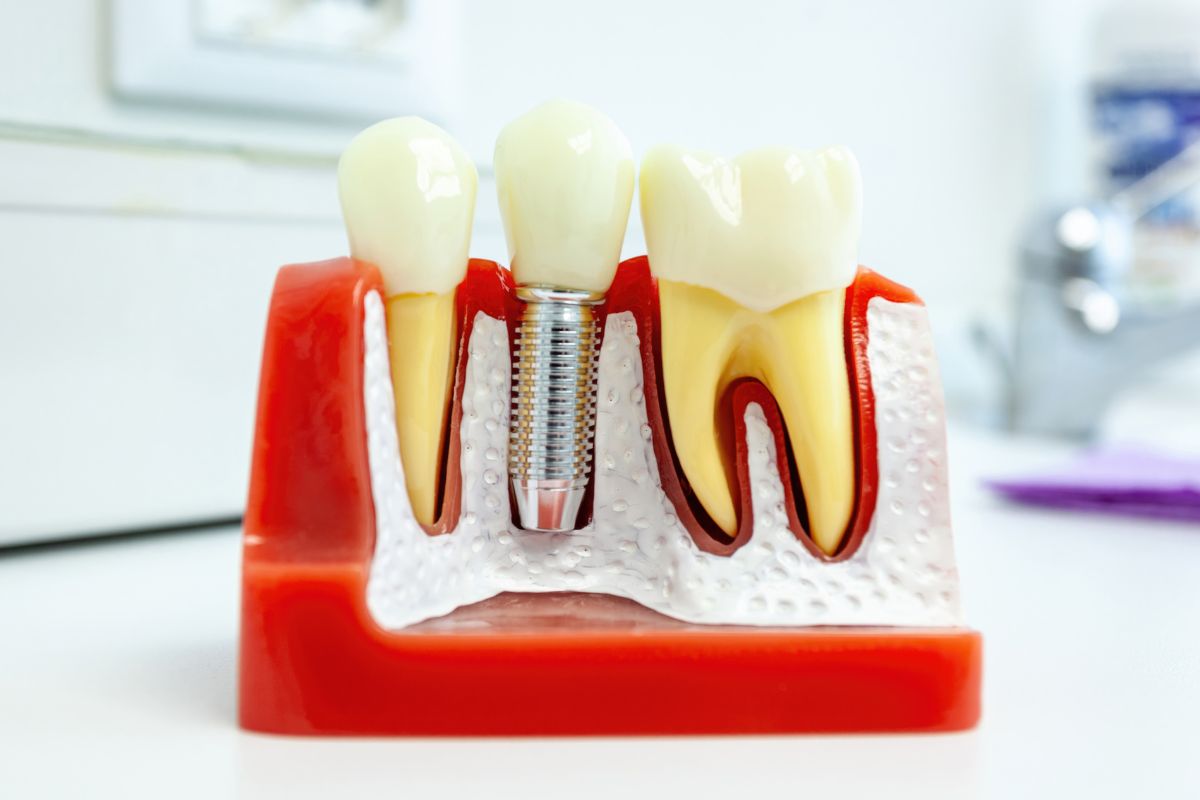
The placement of dental implants involves a surgical procedure. A small titanium post is surgically inserted into the jawbone, serving as an artificial tooth root. While advancements in technology have made the procedure minimally invasive, it is important to be prepared for some post-operative discomfort and follow proper care instructions.
5. Healing Time is Necessary:
After implant placement, a healing period is necessary to allow the implant to integrate with the jawbone, a process known as osseointegration. This healing period can take several weeks to a few months, depending on individual factors and the complexity of the case.
6. Maintenance is Similar to Natural Teeth:
One of the advantages of dental implants is that they require care similar to natural teeth. Regular brushing, flossing, and routine dental checkups are essential for maintaining healthy implants and surrounding gums. If you’re looking for reliable dental implant care in Grants Pass, following a personalized home care routine and attending regular preventive visits can help keep your restored smile healthy for years to come.
7. Implants Support Various Restorations:
Dental implants can support a variety of restorations, including crowns, bridges, and dentures. The versatility of dental implants makes them suitable for single-tooth replacement as well as complex full-mouth restorations.
8. Success Rates Are High:
Dental implants have a high success rate when placed by experienced and qualified dental professionals. The success rate is influenced by factors such as patient health, oral hygiene, and adherence to post-operative care instructions.
9. Implants Mimic Natural Teeth:
Dental implants are designed to closely mimic the appearance and function of natural teeth. Once the restoration is attached to the implant, it is customized to match the color, shape, and size of the surrounding natural teeth, creating a seamless and natural-looking smile.
10. Dental Implants Prevent Bone Loss:
Unlike traditional tooth replacement options, dental implants stimulate the jawbone, preventing bone loss over time. This helps maintain the structural integrity of the face and prevents the sunken appearance that can occur with missing teeth.
11. Costs Vary Depending on Factors:
The cost of dental implants can vary based on factors such as the number of implants needed, the type of restoration chosen, and any additional procedures required, such as bone grafting. It’s essential to discuss the costs with your dentist and explore financing options if needed.
12. Follow-Up Care is Crucial:
After the placement of dental implants and the attachment of the restoration, regular follow-up appointments with your dentist are crucial. These appointments allow your dentist to monitor the healing process, check the stability of the implant, and address any concerns or issues promptly.
Dental implants are a transformative solution for individuals seeking a durable and natural-looking option for tooth replacement. By understanding these important facts and discussing your specific case with a qualified dental professional, you can make informed decisions and embark on the journey to restore both your smile and oral health.
Who Is a Good Candidate for Dental Implants?
Not everyone is an immediate candidate for dental implants, but many adults can benefit from this treatment with proper planning. You may be a good candidate if you:
- Have one or more missing teeth.
- Have healthy gums or are willing to treat gum disease first.
- Have enough jawbone to support an implant or qualify for bone grafting.
- Practice good oral hygiene.
- Are in generally good overall health.
- Do not smoke, or are willing to stop during healing.
A comprehensive evaluation helps determine the most appropriate treatment plan for your individual needs.
What Happens During the Dental Implant Process?
Understanding the treatment process can help reduce anxiety and set realistic expectations.
| Step | What Happens |
| Consultation | Comprehensive exam, X-rays, and treatment planning |
| Implant Placement | Titanium implant is placed into the jawbone |
| Healing | Bone gradually fuses with the implant (osseointegration) |
| Abutment Placement | Connector is attached to the implant |
| Final Crown | A custom-made crown is placed to restore appearance and function |
Benefits of Dental Implants
In addition to replacing missing teeth, dental implants offer several long-term benefits:
- Restore natural chewing ability.
- Help preserve jawbone health.
- Prevent neighboring teeth from shifting.
- Improve speech and comfort.
- Support a natural-looking smile.
- Provide long-lasting results with proper care.
- Improve confidence in everyday activities.
Are There Any Risks?
Dental implants have a high success rate, but patients should understand that every surgical procedure carries some risk.
Possible complications include:
- Infection
- Delayed healing
- Implant failure
- Temporary swelling
- Minor discomfort
- Bone integration issues
Choosing an experienced dental provider and carefully following post-operative instructions can help reduce these risks.
Recovery Timeline
What to Expect After Dental Implant Surgery
| Time | Recovery |
| First 24 Hours | Mild swelling and tenderness are common. |
| Week 1 | Most patients return to normal daily activities. |
| 1-3 Months | The implant gradually integrates with the jawbone. |
| Final Visit | The permanent restoration is placed once healing is complete. |
Dental Implants vs. Other Tooth Replacement Options
| Feature | Dental Implants | Dental Bridge | Dentures |
| Bone Preservation | ✔ | ✘ | ✘ |
| Natural Appearance | Excellent | Very Good | Good |
| Stability | Excellent | Good | Moderate |
| Longevity | Often decades with proper care | Several years | May require periodic replacement |
| Cleaning | Similar to natural teeth | Requires additional care | Removable |
Common Myths About Dental Implants
Many patients have misconceptions about implant treatment.
Myth: Dental implants are painful.
Fact: Most patients report that discomfort is manageable and temporary, especially with modern techniques.
Myth: Older adults cannot receive implants.
Fact: Age alone is not a determining factor. Overall oral and general health are more important.
Myth: Dental implants require complicated maintenance.
Fact: Daily brushing, flossing, and routine dental visits are usually sufficient to maintain healthy implants.
When Should You Consider Dental Implants?
You may want to schedule an evaluation if you:
- Have a missing tooth.
- Struggle with loose dentures.
- Have difficulty chewing.
- Notice shifting teeth after tooth loss.
- Want a more stable, long-term tooth replacement option.
Early evaluation may help preserve bone and expand your treatment options.
Conclusion
Dental implants can be a long-lasting solution for replacing missing teeth, improving both oral function and confidence. Understanding what to know before getting dental implants from candidacy and treatment planning to recovery and long-term maintenance can help you make informed decisions about your oral health.
If you’re exploring tooth replacement options, scheduling a consultation is the best way to learn whether dental implants are right for you and to receive a personalized treatment plan based on your individual needs.
If you’re considering dental implants, see what local patients are saying about their experiences before scheduling your consultation.