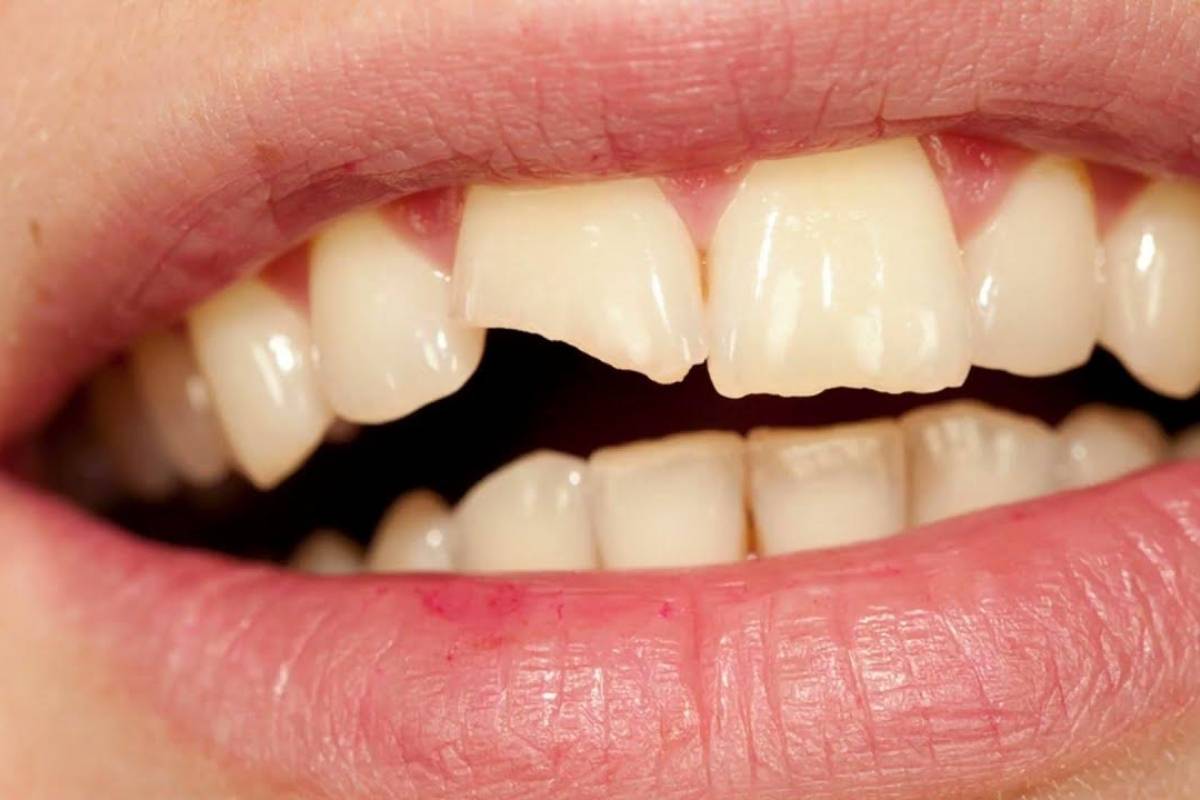


What is Considered an Orthodontic Emergency
Welcome to our blog! If you or a loved one are currently undergoing orthodontic treatment, it’s important to be aware of what constitutes an orthodontic emergency. While braces and aligners can work wonders in helping you achieve a beautiful smile, there may be times when unexpected situations arise that require immediate attention. In this article, we will explore what is considered an orthodontic emergency, how to identify the signs, and most importantly, how to handle these situations with ease. So let’s dive right in and empower you with the knowledge needed to navigate any potential bumps along your journey towards straighter teeth!
What is an Orthodontic Emergency
An orthodontic emergency refers to any unforeseen situation that requires immediate attention during your orthodontic treatment. While most issues can be managed at your next scheduled appointment, there are instances where prompt action is necessary.
One common type of orthodontic emergency is a broken or loose bracket. This may occur if you eat hard or sticky foods that put excess pressure on the brackets, causing them to break or become loose. In some cases, the wires connecting the brackets can also come undone.
Another potential emergency is a poking wire. As your teeth shift and move throughout treatment, it’s possible for the wire to extend past the last bracket and irritate the inside of your mouth.
Additionally, if you experience severe pain or swelling in your gums, cheeks, or face, it could indicate an infection. This should be addressed immediately as it may require antibiotics to prevent further complications.
It’s important to note that not all discomfort during orthodontic treatment constitutes an emergency. Minor soreness or irritation is normal and can usually be alleviated with over-the-counter pain relievers and dental wax provided by your orthodontist.
Remember, if you’re unsure whether a situation qualifies as an emergency, it’s always best to contact your orthodontist for guidance. They will assess the issue and advise on whether immediate action is required or if it can wait until your next appointment.
Signs of an Orthodontic Emergency
Signs of an Orthodontic Emergency can be distressing, but it’s important to recognize them early on so that you can take appropriate action. One common sign is severe pain or discomfort in your mouth or jaw. This could indicate a problem with your braces or aligners that needs immediate attention.
Another sign to watch out for is bleeding gums. If you notice any blood when brushing or flossing, it could be a sign of gum inflammation or infection. In some cases, it may also be caused by a broken wire or bracket poking into the soft tissues of your mouth.
Swelling and redness are also signs that shouldn’t be ignored. These symptoms can indicate an infection, which requires prompt treatment from your orthodontist.
If you experience difficulty eating or speaking due to issues with your braces, this is another potential emergency situation. For example, if a wire has come loose and is causing irritation in your mouth, it’s crucial to seek assistance as soon as possible.
Additionally, sudden changes in tooth alignment should not be overlooked. If you notice teeth shifting significantly out of position overnight or within a short period of time, contact your orthodontist immediately.
By being aware of these signs and taking swift action when necessary, you can address orthodontic emergencies effectively and prevent further complications down the road!
How to Handle a Orthodontic Emergency
When faced with an orthodontic emergency, it’s important to stay calm and take appropriate action. Here are some steps you can follow to handle a orthodontic emergency:
- Assess the situation: Start by evaluating the severity of the problem. Is it causing significant pain or discomfort? Is there bleeding or swelling? Understanding the urgency will help you determine what actions to take next.
- Contact your orthodontist: Reach out to your orthodontist as soon as possible. They are trained professionals who can provide guidance and support during emergencies. Explain the situation clearly so they can advise you on what to do.
- Temporary solutions: While waiting for professional assistance, there are temporary measures you can take to alleviate discomfort or prevent further damage. For example, if a wire is poking into your cheek, try using dental wax to cover it until you see your orthodontist.
- Follow instructions: Your orthodontist may provide specific instructions over the phone or in person when you visit their office. It’s crucial that you follow these instructions carefully and adhere to any recommended home care routines.
Remember, every situation is unique, so always consult with your orthodontist for personalized advice and treatment options during an emergency.
In times of unexpected orthodontic issues, it’s important to know what constitutes an orthodontic emergency and how to handle it. By being aware of the signs of an emergency and taking immediate action, you can prevent further complications and ensure a successful outcome for your orthodontic treatment.
Remember, if you experience severe pain or discomfort, significant damage to your braces or other appliances, or any other concerning symptoms that cannot be resolved with at-home remedies, don’t hesitate to reach out to your orthodontist for guidance. They are there to support you throughout your treatment journey and will provide the necessary care to address any emergencies that may arise.
Orthodontics in Grants Pass offers comprehensive orthodontic services tailored specifically for each patient’s needs. From traditional braces to clear aligners, their team utilizes the latest techniques and technology in order to achieve optimal results. Whether you’re dealing with an emergency situation or seeking routine care, Orthodontics in Grants Pass is committed to providing exceptional orthodontic care in a comfortable and friendly environment.
Don’t let an orthodontic emergency derail your progress – stay informed, take action when needed, and trust in the expertise of your orthodontist. With proper management and timely intervention, you can maintain a healthy smile throughout your entire treatment process.