

How Often Should Children Visit the Dentist? A Parent’s Complete Guide
Ensuring your child has a healthy smile goes far beyond brushing twice a day. Regular dental visits play a critical role in preventing cavities, monitoring development, and building positive oral health habits that last a lifetime. But one of the most common questions parents ask is: How often should children visit the dentist?
In this comprehensive guide, we’ll break down expert recommendations, what to expect at each visit, and why early and consistent dental care matters for your child’s long-term health.
Why Regular Dental Visits Are Essential for Children
Children’s teeth are constantly developing, which means their dental needs are different from adults. Routine dental visits help:
- Detect cavities early before they worsen
- Monitor jaw and tooth development
- Prevent gum disease
- Reinforce good oral hygiene habits
- Reduce dental anxiety over time
According to the American Dental Association, early and consistent dental care is key to maintaining optimal oral health throughout life.
When Should Your Child First Visit the Dentist?
The general recommendation is simple:
Your child should have their first dental visit by their first birthday or within six months after their first tooth appears—whichever comes first.
This early visit may seem premature, but it sets the foundation for the following:
- Tracking oral development
- Identifying early signs of decay
- Educating parents on proper oral care techniques
How Often Should Children Go to the Dentist?
The Standard Recommendation: Every 6 Months
Most dentists recommend that children visit the dentist every six months for routine checkups and cleanings. These visits help maintain oral health and catch any potential issues early.
When More Frequent Visits May Be Needed
Some children may need to visit the dentist more often, depending on their individual needs. These include:
- Children prone to cavities
- Those with orthodontic concerns
- Kids with special healthcare needs
- Poor oral hygiene habits
- Diets high in sugar or acidic foods
In such cases, your dentist may recommend visits every 3–4 months instead of the standard six-month interval.
What Happens During a Pediatric Dental Visit?
A child’s dental appointment is designed to be gentle, educational, and preventive. Here’s what typically happens:
1. Dental Cleaning
- Removal of plaque and tartar
- Gentle polishing of teeth
- Flossing between teeth
2. Oral Examination
- Checking for cavities or decay
- Monitoring gum health
- Evaluating bite alignment and jaw growth
3. Fluoride Treatment
Fluoride strengthens enamel and helps prevent cavities, especially important for growing teeth.
4. X-Rays (if needed)
Used to detect hidden issues like impacted teeth or decay between teeth.
5. Education and Guidance
Dentists teach both parents and children:
- Proper brushing and flossing techniques
- Diet recommendations
- Habits to avoid (like thumb-sucking or nail-biting)
Signs Your Child May Need to Visit the Dentist Sooner
While routine visits are important, certain symptoms require immediate attention:
- Tooth pain or sensitivity
- Bleeding or swollen gums
- Persistent bad breath
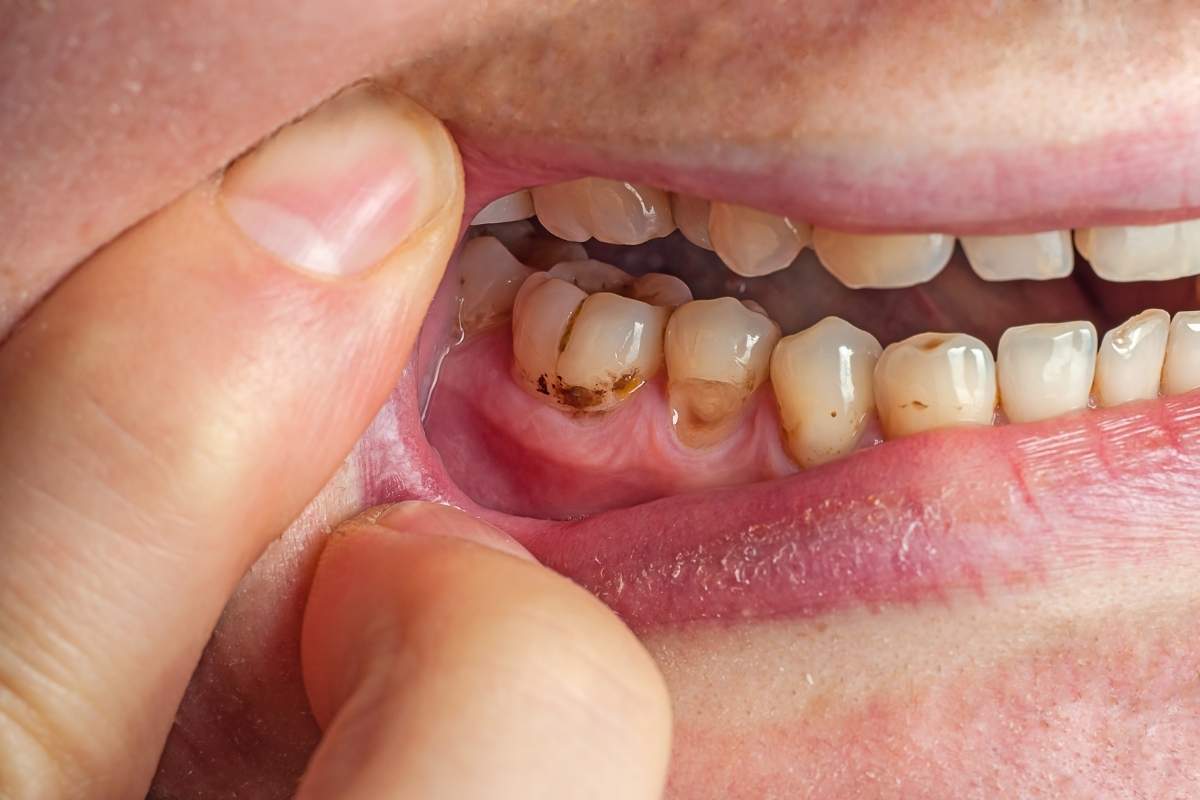
- White spots or dark stains on teeth
- Difficulty chewing
If you notice any of these signs, don’t wait for the next scheduled visit—seek dental care promptly.
The Role of Preventive Dentistry in Children
Preventive dentistry is the cornerstone of pediatric oral care. It focuses on stopping problems before they start.
Common Preventive Treatments Include:
- Dental Sealants: Thin coatings applied to molars to prevent decay
- Fluoride Treatments: Strengthen enamel
- Regular Cleanings: Remove plaque buildup
These treatments significantly reduce the risk of cavities and costly procedures later in life.
How Parents Can Support Dental Health at Home
Dental visits are only part of the equation. Daily habits at home play a major role in maintaining your child’s oral health.
Essential Tips for Parents:
- Brush your child’s teeth twice daily with fluoride toothpaste
- Begin flossing once teeth start touching
- Limit sugary snacks and drinks
- Encourage drinking water after meals
- Replace toothbrushes every 3–4 months
Creating a consistent routine helps children understand the importance of oral hygiene.
Overcoming Dental Anxiety in Children
It’s common for children to feel nervous about visiting the dentist. The good news? There are ways to make the experience positive:
- Start dental visits early
- Use positive language when talking about the dentist
- Choose a family-friendly dental office
- Bring comfort items like a favorite toy
A positive dental experience early in life can shape your child’s attitude toward oral care forever.
Long-Term Benefits of Regular Dental Visits
Consistent dental checkups do more than just prevent cavities—they support overall health and well-being.
Key Benefits Include:
- Healthier permanent teeth
- Reduced risk of gum disease
- Early detection of orthodontic issues
- Lower long-term dental costs
- Improved confidence and self-esteem
How Often Should Children Visit the Dentist? Final Takeaway
For most children, visiting the dentist every six months is ideal. However, individual needs may vary, so it’s important to follow your dentist’s recommendations.
Starting early, staying consistent, and maintaining good habits at home will set your child up for a lifetime of healthy smiles.
Schedule Your Child’s Dental Visit Today
Your child’s oral health is too important to delay. At Pastrell, Buchanan and Hartzell General Dentistry, we provide compassionate, comprehensive dental care tailored for children of all ages.
Schedule your appointment today and give your child the gift of a healthy smile at 1050 SW Grandview Ave, Grants Pass, OR 97527.