
How Long Does It Take to Fix an Overbite with Invisalign?
An overbite, also known as a deep bite, is a common orthodontic issue where the upper front teeth overlap the lower front teeth. If left untreated, it can lead to problems such as jaw pain, excessive wear on teeth, and even difficulty chewing or speaking. Invisalign has become a popular treatment option for overbites due to its discreet, convenient, and effective approach. But how long does it take to fix an overbite with Invisalign?
The answer depends on several factors, including the severity of the overbite, the patient’s age, and how well they follow the treatment plan. In this blog, we’ll explore the process of using Invisalign to correct an overbite and give you a better idea of the typical treatment timeline.
What Is an Overbite?
An overbite occurs when the upper teeth extend too far over the lower teeth. A slight overlap is normal, but when the upper teeth cover more than 30% of the lower teeth, it is considered excessive and requires treatment. Overbites can be caused by genetics, thumb sucking, prolonged pacifier use, or even improper development of the jaw.
Types of Overbites
- Skeletal Overbite: Caused by the improper alignment or growth of the jawbones.
- Dental Overbite: Caused by misaligned teeth rather than jaw positioning.
Invisalign can be effective in correcting both types of overbites, though skeletal overbites may take longer and require more complex treatment.
How Invisalign Fixes an Overbite
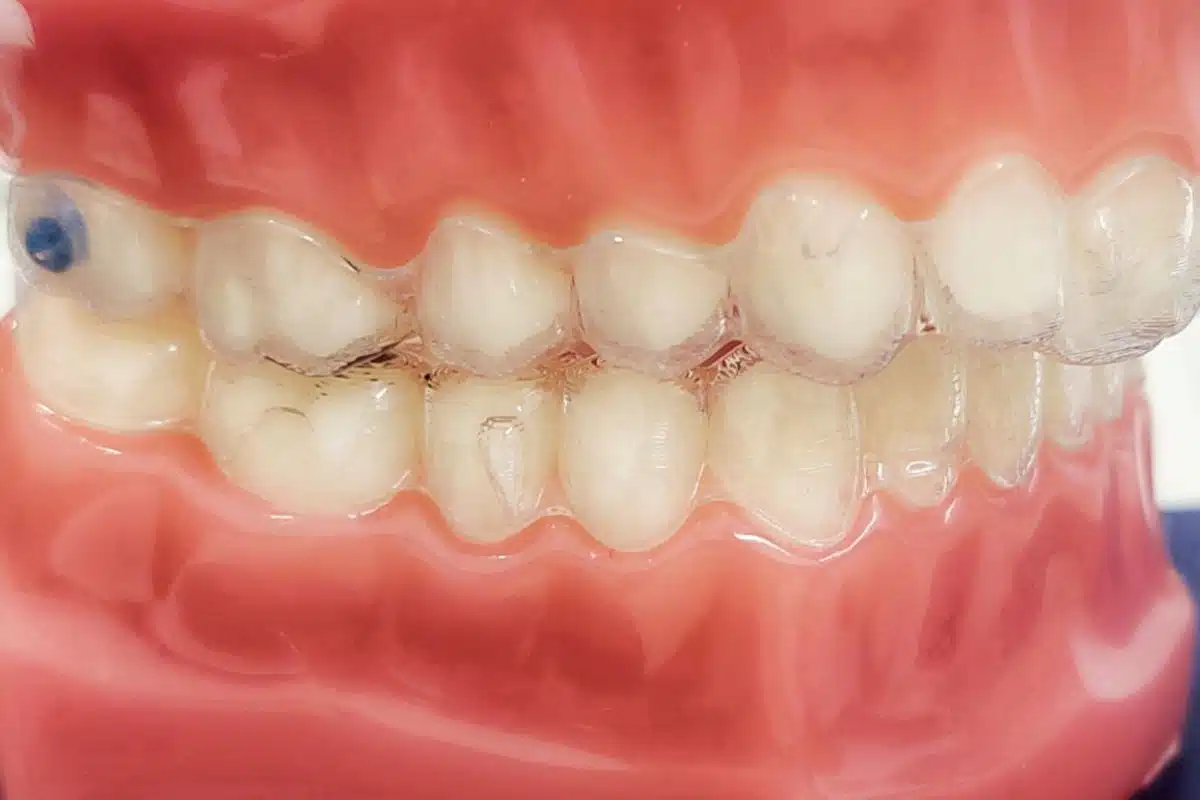
Invisalign aligners are a set of clear, removable trays that are custom-made to fit your teeth. Over time, the aligners gradually shift the teeth into their correct position, addressing issues like overbites, underbites, crowding, and gaps.
The Process
- Consultation and Treatment Plan
- Your orthodontist or dentist will assess your overbite, take digital scans or impressions of your teeth, and create a customized treatment plan.
- Invisalign’s advanced software maps out the step-by-step movements of your teeth, including how much they will shift with each new set of aligners.
- Wearing the Aligners
- You’ll wear your aligners for 20-22 hours per day, only removing them to eat, brush, and floss.
- Each set of aligners is typically worn for one to two weeks before progressing to the next set.
- Monitoring Progress
- You’ll have regular check-ins with your orthodontist to ensure that your teeth are moving as planned. Adjustments can be made if necessary, and your orthodontist will provide additional aligners throughout the treatment.
- Retention
- Once your overbite has been corrected, you’ll wear a retainer to ensure your teeth stay in their new position.
How Long Does Invisalign Take to Fix an Overbite?
The length of time it takes to fix an overbite with Invisalign varies from patient to patient. However, the average treatment time for mild to moderate overbites is typically 6 to 12 months. For more severe overbites, treatment can take 12 to 24 months or longer.
Here are the main factors that affect the treatment timeline:
1. Severity of the Overbite
- Mild Overbite: If the overbite is minimal and primarily dental, treatment may take 6 to 9 months.
- Moderate Overbite: For cases where the upper teeth significantly overlap the lower teeth, treatment usually takes 12 to 18 months.
- Severe Overbite: A more pronounced overbite, particularly a skeletal one, may require 18 to 24 months or longer, possibly with additional orthodontic measures like elastics or attachments.
2. Age
- Invisalign works well for both adults and teenagers, but treatment can be faster for younger patients because their teeth and jaws are still developing and may respond more quickly to orthodontic movement.
- Adults may have more stable bone structures, which can lead to a slightly longer treatment time.
3. Patient Compliance
- The success and speed of Invisalign treatment depend heavily on patient compliance. Aligners must be worn for at least 20 to 22 hours per day to stay on track with the treatment plan.
- Skipping days or not wearing the aligners consistently can prolong the treatment time.
4. Additional Orthodontic Tools
- In some cases, your dentist may use additional tools such as Invisalign attachments (small tooth-colored bumps) or elastics to correct more complex overbite issues.
- These tools may lengthen the treatment time slightly, but they are essential for ensuring the best results.
Why Invisalign Is an Effective Option for Overbites
Invisalign is a popular choice for overbite correction due to its many benefits:
- Discreet Appearance: The clear aligners are nearly invisible, making them a great option for patients who want to correct their smile without the look of traditional braces.
- Comfortable and Removable: Invisalign aligners are made of smooth, comfortable plastic and can be removed for eating and oral hygiene.
- Custom-Fit: Invisalign treatment is tailored to your unique dental needs, ensuring precise and efficient results.
- No Dietary Restrictions: Since aligners are removed during meals, you can continue to eat your favorite foods without restrictions.
Is Invisalign Right for Your Overbite?
Invisalign is highly effective for most mild to moderate overbites, but severe overbites, especially those caused by skeletal issues, may require additional treatments or even traditional braces. If you’re considering Invisalign for your overbite, it’s important to consult with an experienced orthodontist to determine if you’re a good candidate.
On average, Invisalign can fix a mild to moderate overbite in 6 to 18 months, though severe cases may take up to 24 months or more. The length of time depends on the severity of your overbite, your age, and how diligently you follow the treatment plan.
If you’re dealing with an overbite and want a discreet, convenient solution, Invisalign could be the right choice for you. Schedule a consultation with your dentist or orthodontist to determine the best treatment plan and get on the path to a straighter, healthier smile!