

Find Out How Your Diet Can Cause Cavities
A healthy diet is often associated with weight management and overall wellness, but many people don’t realize that what they eat plays a crucial role in their dental health, too. Diet can directly impact the development of cavities and overall oral hygiene. While brushing and flossing are essential for cavity prevention, understanding how your diet contributes to tooth decay is an important part of protecting your smile. Let’s explore how certain foods and drinks can promote cavity formation and discuss dietary changes that support oral health.
How Cavities Form
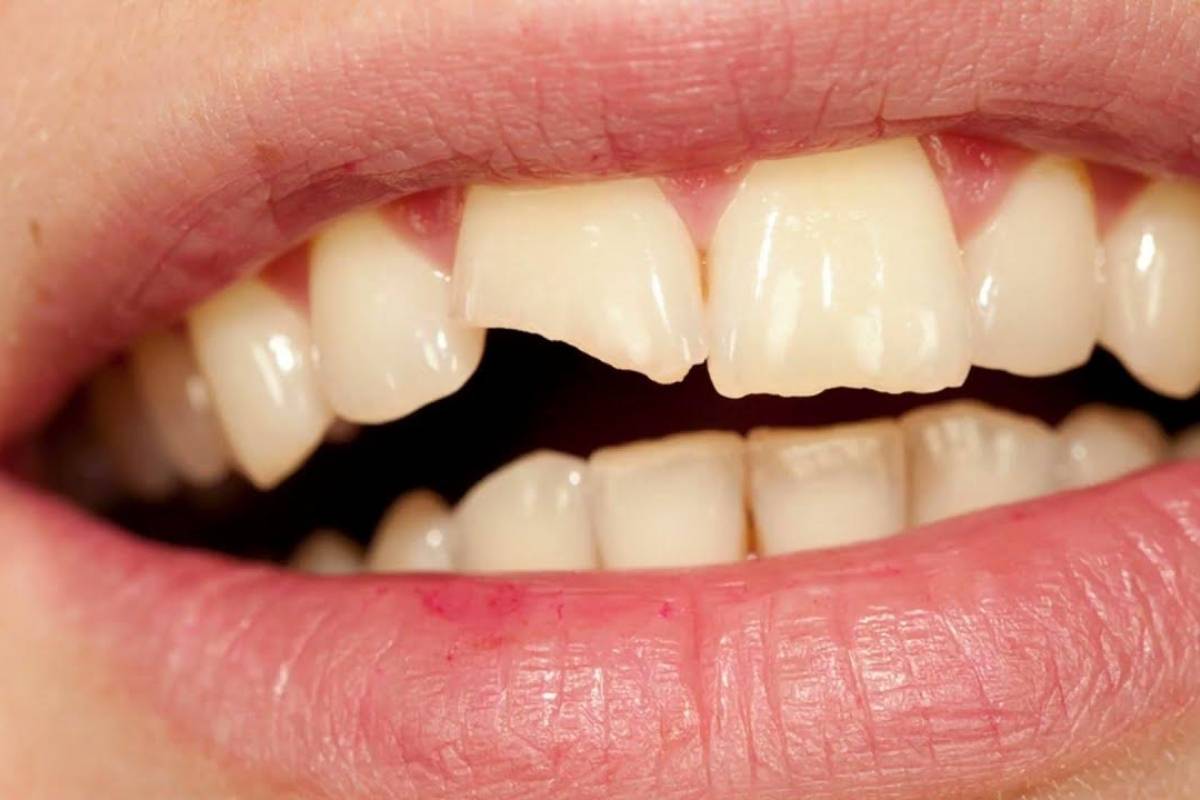
Cavities are the result of tooth decay, which occurs when plaque—a sticky, bacteria-laden film—forms on the teeth. When you consume foods or drinks high in sugars and starches, the bacteria in plaque use these sugars as fuel, producing acids that gradually erode tooth enamel. Over time, these acid attacks create holes, or cavities, in the enamel, eventually leading to more serious decay if untreated.
How Diet Contributes to Cavities
Several dietary factors influence how quickly cavities form and progress. Let’s break down some common ways your diet can put your teeth at risk.
1. Sugary Foods and Drinks
Sugar is one of the biggest culprits in cavity formation. When you eat sugary foods like candy, cakes, or cookies, the bacteria in your mouth quickly convert the sugar into acid. This acid weakens and erodes the enamel, paving the way for cavities. Beverages like soda, sweetened coffee, and juice are also high in sugar, and because they coat the teeth, they’re especially damaging.
2. Starchy Carbohydrates
Carbohydrates found in bread, pasta, chips, and crackers may not taste sweet, but they break down into sugars when digested. These starches often get stuck in the crevices of your teeth, providing a steady supply of sugar for bacteria. Since starchy foods are sticky, they tend to cling to teeth longer, prolonging the exposure to harmful acids.
3. Acidic Foods and Beverages
Foods and drinks with a low pH—such as citrus fruits, vinegar, wine, and sports drinks—can directly erode the enamel. When combined with sugary or starchy foods, acidic items can have a doubly negative effect, softening the enamel and making it more susceptible to cavities. Drinking acidic beverages slowly or sipping them throughout the day can increase exposure and, consequently, the risk of decay.
4. Frequent Snacking
When you eat frequently, especially snacks containing sugar or starch, you’re giving cavity-causing bacteria a steady stream of food to thrive on. Each time you eat, your mouth produces acids that linger for up to 20 minutes, and if you’re snacking constantly, your teeth are under nearly constant acid attack.
5. Sticky and Chewy Foods
Sticky foods like dried fruits, candies, and caramel are especially harmful because they adhere to the surfaces of the teeth and are difficult to wash away with saliva. This prolongs contact with sugar and acids, allowing bacteria to cause more extensive decay.
6. Sugary and Acidic Drinks Between Meals
Sipping on sugary drinks, including sodas and sweetened coffee, outside of meal times can be especially harmful. When these drinks are consumed without food, the acids and sugars are left on the teeth longer, contributing to greater plaque buildup. During meals, saliva production increases, which helps neutralize acids; drinking sugary or acidic beverages outside of mealtimes deprives your mouth of this natural defense.
Dietary Habits for Better Oral Health
Now that we know how certain foods and dietary habits can lead to cavities, let’s look at some strategies to protect your teeth and keep cavities at bay.
1. Limit Sugary and Starchy Foods
Reducing your intake of foods high in sugar and starch is one of the simplest ways to decrease your risk of cavities. Instead of sugary snacks, opt for healthier choices like nuts, cheese, or fresh vegetables, which are less likely to stick to your teeth and feed cavity-causing bacteria.
2. Choose Tooth-Friendly Snacks
Snacking on foods that are high in fiber, like apples, carrots, and celery, can stimulate saliva production, which naturally helps cleanse the mouth and neutralize acids. Dairy products, such as cheese and yogurt, are rich in calcium and phosphates that strengthen tooth enamel, providing additional protection against cavities.
3. Stay Hydrated with Water
Water, especially fluoridated water, helps rinse away food particles and bacteria from the mouth, reducing the chances of plaque formation. Drinking water also encourages saliva production, which helps to wash away acids produced by bacteria. Try to make water your go-to beverage, especially after meals and snacks.
4. Limit Acidic Foods and Beverages
Try to enjoy acidic foods and beverages in moderation, and consider pairing them with other foods to help neutralize their effect. For example, consuming cheese or milk with acidic fruits can help balance the pH level in your mouth. When drinking acidic beverages, avoid swishing them around in your mouth, and use a straw to minimize contact with your teeth.
5. Finish Meals with Cavity-Fighting Foods
Eating fibrous fruits and vegetables, like apples and celery, at the end of a meal can help clean your teeth by increasing saliva flow and sweeping away food particles. Cheese, milk, and nuts are also great options for the end of a meal, as they contain nutrients that help remineralize the teeth.
6. Chew Sugar-Free Gum
Chewing sugar-free gum after meals can help stimulate saliva flow, which naturally cleanses the mouth and neutralizes acids. Some sugar-free gums contain xylitol, a sugar substitute that can inhibit the growth of cavity-causing bacteria.
7. Avoid Sugary and Acidic Beverages Between Meals
If you do consume sugary or acidic drinks, try to have them with meals rather than sipping them throughout the day. This limits the duration of acid exposure, especially if you follow up with water to rinse your mouth.
Foods That Support Dental Health
While some foods increase the risk of cavities, others can promote stronger teeth and gums. Incorporating these foods into your diet can contribute to better oral health:
- Dairy Products: Milk, cheese, and yogurt are rich in calcium and phosphates, which help strengthen enamel and reduce acid levels in the mouth.
- Leafy Greens: Spinach, kale, and other leafy greens are high in calcium and folic acid, both of which support strong teeth and healthy gums.
- Crunchy Fruits and Vegetables: Apples, carrots, and celery are fibrous and stimulate saliva production, which helps to cleanse the mouth.
- Green and Black Teas: These teas contain compounds that may suppress bacteria and reduce plaque formation.
If you have questions regarding your current diet and its effect on your oral health, please contact our Grants Pass dental office and speak with a member of our staff. If you’ve begun to make changes in your diet toward a healthier lifestyle, we hope these tips can help you make positive changes to your oral health. Our team at Pastrell, Buchanan and Hartzell General Dentistry wants a healthy lifestyle to be a top priority in your life.