
Is Pain Normal After Getting an Anterior Healing Cap
If you’ve recently undergone dental implant surgery, you may have been fitted with a healing cap, also known as a healing abutment. This small, round device plays a crucial role in guiding gum tissue to heal properly around a future dental implant crown—especially in the front of the mouth, where appearance is critical. But one question patients commonly ask is: “Is pain normal after getting an anterior healing cap?”
In this blog, we’ll explain what an anterior healing cap is, why it’s used, what level of discomfort is considered normal, and when you should contact your dentist.
What Is an Anterior Healing Cap?
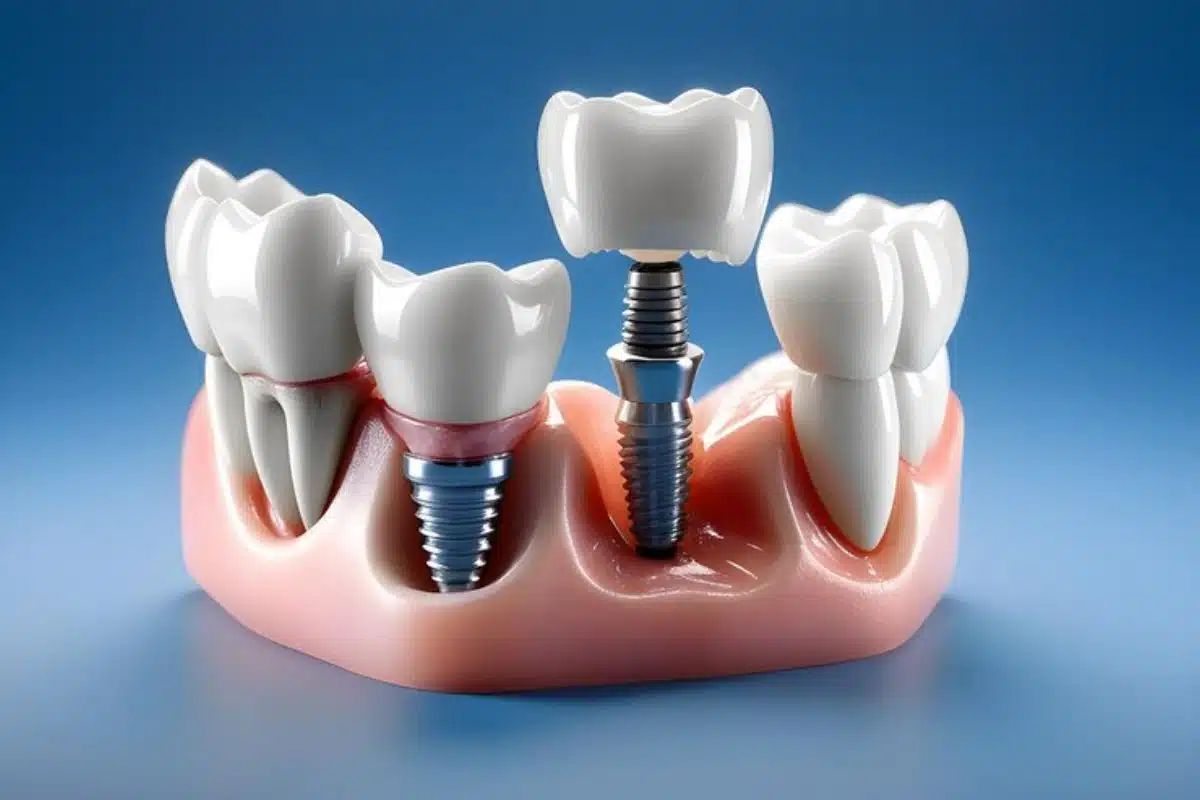
An anterior healing cap is a small screw-like component placed on top of a dental implant after it has been inserted into the jawbone. It is typically used during the healing phase before the final crown or restoration is placed. The cap helps shape and support the surrounding gum tissue (especially in the visible front teeth area), ensuring it heals in a natural, esthetic contour for the best final appearance.
Healing caps also prevent gum tissue from covering the implant opening and allow easier access for your dentist during future appointments.
Is Pain Normal After Getting a Healing Cap?
Yes, some discomfort or pain is normal after the placement of a healing cap—especially within the first few days. This mild to moderate discomfort is generally due to:
- Tissue manipulation: The gum tissue is often adjusted or sutured around the cap, leading to sensitivity.
- Surgical healing: If your implant surgery was recent, your jawbone and gums are still healing.
- Friction or pressure: The healing cap may press against healing tissues, causing temporary soreness.
However, the pain should be manageable and typically subsides within a few days with proper aftercare and prescribed medications.
What to Expect in Terms of Discomfort
Here’s a general timeline of what you might feel after receiving an anterior healing cap:
- Day 1–2: Mild swelling, tenderness, and sensitivity are normal. You may feel pressure or slight aching around the implant site.
- Day 3–5: Discomfort should begin to decrease. Gums may feel slightly bruised or irritated.
- Week 1 and beyond: Pain should be minimal or completely gone. If discomfort persists or worsens, you should contact your dentist.
If you were also prescribed antibiotics or pain relievers, following the instructions carefully will help minimize inflammation and aid recovery.
How to Manage Pain and Promote Healing
Your dentist will give you detailed post-op instructions, but here are some general tips to ease discomfort after receiving a healing cap:
✅ Take Prescribed Medications
Use any prescribed anti-inflammatory medications or antibiotics as directed. Over-the-counter pain relievers like ibuprofen can also help reduce swelling and pain.
✅ Use Saltwater Rinses
Gentle warm saltwater rinses (starting 24 hours after surgery) can soothe the area and prevent infection. Be sure not to swish too aggressively.
✅ Stick to Soft Foods
Avoid chewing near the healing cap and stick to soft foods like yogurt, soup, and scrambled eggs for the first few days.
✅ Avoid Touching the Cap
Don’t poke or press on the healing cap with your tongue or fingers, as it could disrupt healing or introduce bacteria.
✅ Maintain Good Oral Hygiene
Brush gently around the area and avoid harsh mouthwashes that contain alcohol. Your dentist may recommend a special antimicrobial rinse.
When Should You Be Concerned?
While some discomfort is normal, prolonged or intense pain is not. Contact your dentist immediately if you experience:
- Severe or throbbing pain after the first 3–4 days
- Fever, chills, or pus discharge, which may indicate infection
- Bleeding that doesn’t stop after gentle pressure
- Loose healing cap or exposed implant
- Foul odor or bad taste in your mouth
Early intervention can prevent more serious complications and ensure your implant journey continues smoothly.
The Importance of Follow-Up Appointments
Your dentist will schedule follow-up visits to monitor the healing process, ensure the cap is functioning properly, and prepare for the next phase of your treatment—usually placing a custom crown. These visits are essential to:
- Evaluate tissue healing
- Check for signs of infection or irritation
- Replace or adjust the healing cap if needed
- Discuss the next steps in your implant plan
Skipping these appointments may delay healing and compromise your implant’s success.
A certain degree of pain or discomfort is completely normal after receiving an anterior healing cap, especially in the first few days. This is a routine part of the healing process as your gums adapt and form a natural contour around the implant. However, knowing what’s normal—and what’s not—can help you take the right steps toward a healthy, long-lasting dental implant.
If you’ve recently received a healing cap or are preparing for implant treatment and have questions about what to expect, book an appointment now with your dentist for personalized guidance and expert care.