
Cracked Tooth? 7 Warning Signs You Shouldn’t Ignore
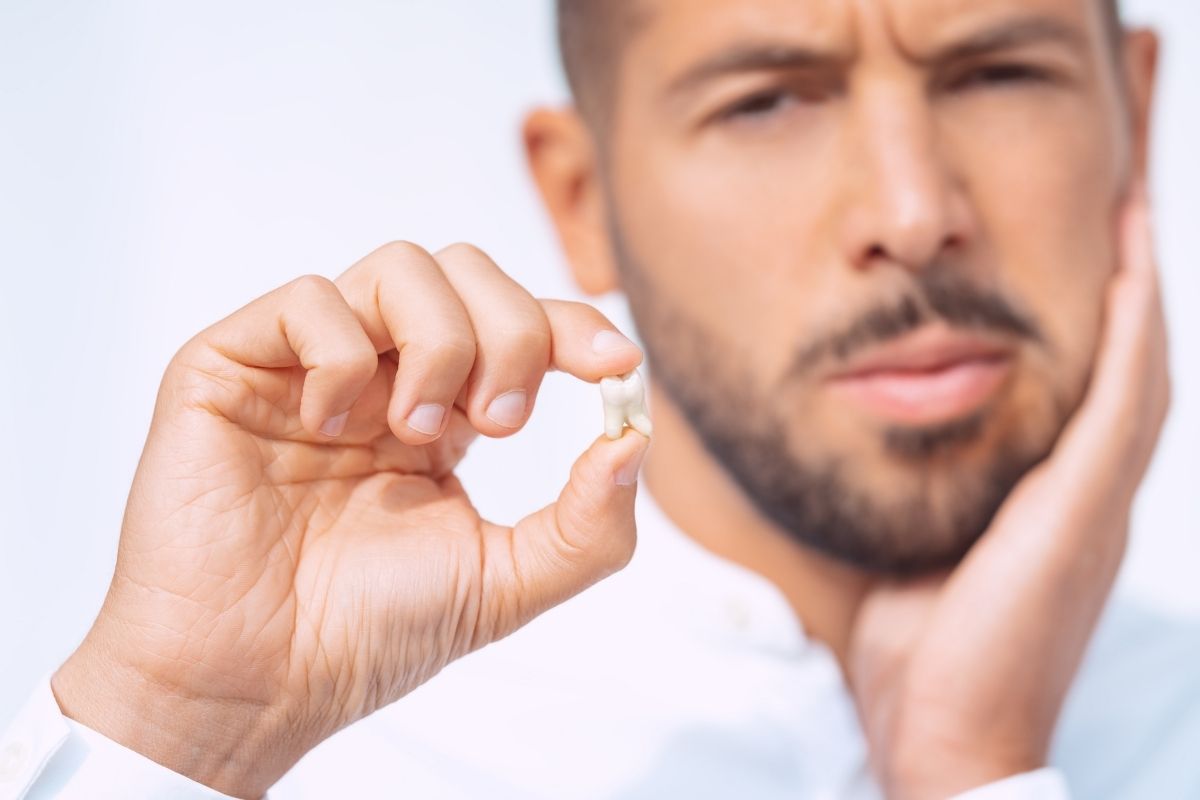
A cracked tooth is one of the most common yet frequently overlooked dental issues. Many patients assume a small crack is harmless, especially if there is no immediate pain. However, even a minor fracture in your tooth can worsen over time, leading to infection, severe discomfort, and costly treatments if left untreated.
Recognizing the early warning signs of a cracked tooth can help protect your smile and prevent further damage. In this guide, we’ll explore the seven key signs of a cracked tooth, why they happen, and when you should visit a dentist for treatment.
What Is a Cracked Tooth?
A cracked tooth occurs when a fracture develops in the enamel or deeper layers of the tooth. Cracks can form due to injury, biting hard foods, teeth grinding, aging, or weakened enamel.
Unlike a completely broken tooth, cracks can be difficult to detect because they are often microscopic or hidden beneath the gumline. However, your mouth often sends signals that something is wrong.
Ignoring these signals may allow bacteria to enter the inner tooth structure, potentially leading to infection or the need for more complex procedures such as root canal therapy or tooth extraction.
7 Warning Signs of a Cracked Tooth
Understanding these symptoms can help you act quickly and prevent further damage.
1. Pain When Chewing or Biting
One of the most common symptoms of a cracked tooth is pain while chewing.
You may notice:
- Sharp pain when biting down
- Sudden discomfort when releasing the bite
- Sensitivity when chewing harder foods
This occurs because pressure causes the crack to expand slightly, irritating the inner tooth structure and nerves.
If you feel recurring pain when chewing, it’s important to have your dentist evaluate the tooth promptly.
2. Sudden Sensitivity to Hot or Cold
Tooth sensitivity is another common sign of a cracked tooth.
You might experience discomfort when consuming:
- Hot coffee or tea
- Cold beverages
- Ice cream
- Sweet foods
When a crack exposes the dentin layer of the tooth, temperature changes can easily reach the nerve, causing sharp sensitivity.
Persistent sensitivity should always be evaluated by a dental professional.
3. Intermittent Tooth Pain
Unlike cavities, cracked teeth often produce pain that comes and goes.
You may feel fine most of the time, but suddenly experience discomfort during certain activities such as:
- Eating
- Drinking
- Clenching your teeth
Because the pain is unpredictable, many people delay seeking treatment, allowing the crack to worsen over time.
4. Swollen or Irritated Gums
If a crack extends deeper into the tooth, bacteria can enter the area and cause inflammation.
Signs may include:
- Swelling around a specific tooth
- Gum tenderness
- Localized redness
In some cases, a small bump or abscess may form near the affected tooth. This is a sign that infection may be present and requires prompt dental attention.
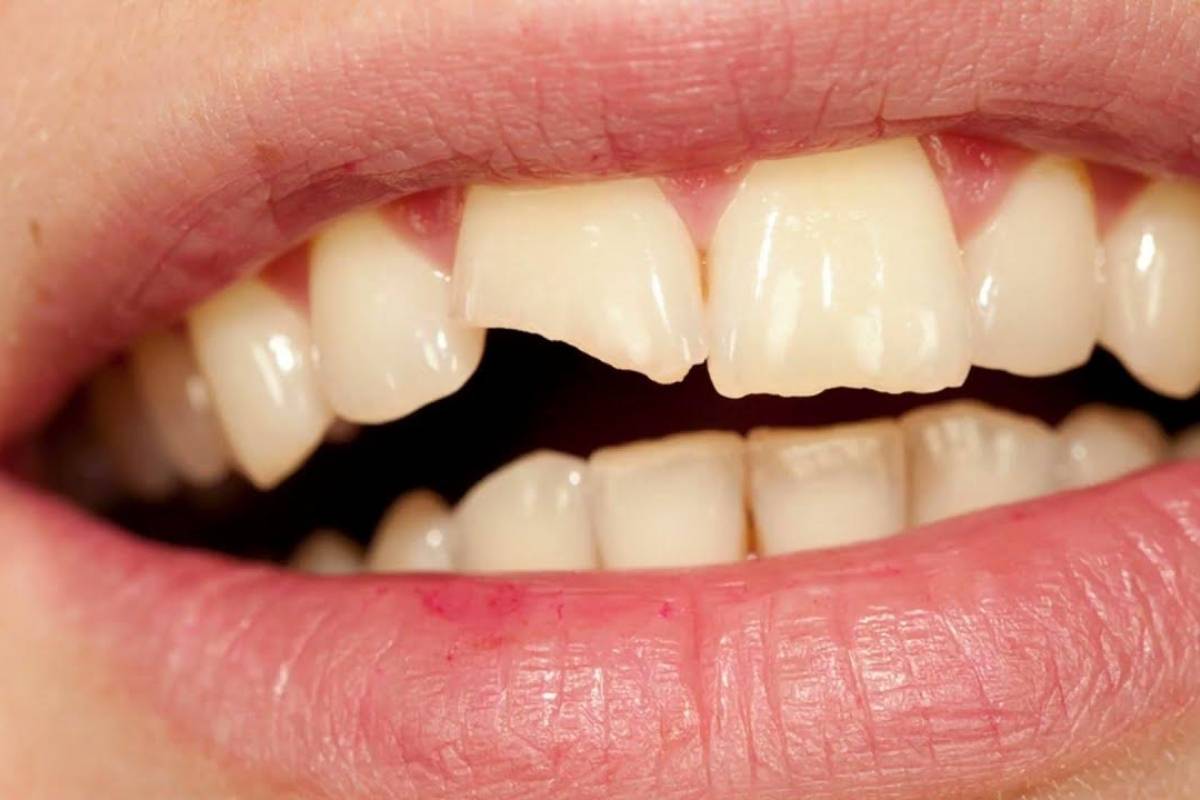
5. Visible Line or Crack on the Tooth
Sometimes a cracked tooth can be seen with the naked eye.
You may notice:
- A thin vertical line on the tooth
- A small fracture on the biting surface
- Dark lines in the enamel
However, not all cracks are visible. Dentists often use special lights, magnification, or dental imaging to identify hidden fractures.
6. Tooth Pain After Dental Work
If you recently had a filling or dental restoration and experience discomfort afterward, a crack may be present.
Occasionally, teeth that already have large fillings become weaker over time and develop fractures under pressure.
If pain persists after dental treatment, your dentist should evaluate the tooth to determine whether a crack is developing.
7. Unexplained Tooth Pain
Sometimes a cracked tooth causes general discomfort without an obvious cause.
You may experience:
- A dull ache in a specific tooth
- Pain that spreads to the jaw
- Sensitivity when biting certain foods
Because cracks can be small and difficult to diagnose, professional dental exams are essential for identifying the underlying problem.
Common Causes of Cracked Teeth
Several factors can increase your risk of developing a cracked tooth.
Biting Hard Foods
Chewing on hard items like:
- Ice
- Hard candy
- Nuts
- Unpopped popcorn kernels
can create excessive pressure that fractures enamel.
Teeth Grinding (Bruxism)
Grinding your teeth, especially during sleep, places significant stress on your teeth. Over time, this constant pressure can lead to small cracks that worsen gradually.
Aging Teeth
As we age, enamel naturally weakens. Adults over 40 are more prone to cracked teeth due to years of wear and tear.
Sudden Temperature Changes
Rapid changes in temperature—such as drinking hot coffee followed by ice water—can cause enamel to expand and contract, increasing the risk of cracks.
Trauma or Injury
Accidents, sports injuries, or biting unexpectedly hard objects can cause immediate tooth fractures.
Why You Shouldn’t Ignore a Cracked Tooth
Ignoring a cracked tooth can lead to serious complications.
Infection
A crack can allow bacteria to reach the pulp (inner tooth tissue), causing infection and severe pain.
Tooth Loss
If the fracture spreads below the gumline, the tooth may not be salvageable and could require extraction.
More Expensive Treatment
Early treatment may only require a simple restoration. However, untreated cracks can eventually require:
- Root canal therapy
- Dental crowns
- Tooth extraction
- Dental implants
Addressing the problem early often saves time, money, and discomfort.
Treatment Options for a Cracked Tooth
The best treatment depends on the location and severity of the crack.
Dental Bonding
Minor surface cracks can often be repaired with composite bonding, restoring both appearance and function.
Dental Crown
A crown is commonly used when the tooth structure is weakened. It covers and protects the entire tooth, preventing the crack from spreading.
Root Canal Therapy
If the crack reaches the pulp, root canal therapy may be necessary to remove infected tissue and preserve the tooth.
Tooth Extraction
In severe cases where the crack extends below the gumline, the tooth may need to be removed and replaced with a dental implant or bridge.
How to Prevent Cracked Teeth
While not all cracks can be prevented, you can significantly reduce your risk by following these steps:
- Avoid chewing ice or hard candy
- Wear a night guard if you grind your teeth
- Use a mouthguard during sports
- Maintain regular dental checkups
- Treat cavities and weakened teeth early
Preventive dental care is the best way to protect your teeth from fractures and long-term damage.
When Should You See a Dentist?
If you notice pain when chewing, tooth sensitivity, or visible cracks, you should schedule a dental evaluation as soon as possible.
Early diagnosis allows your dentist to treat the problem before it worsens. With modern dental technology and treatment options, many cracked teeth can be repaired quickly and comfortably.
Protect Your Smile—Schedule Your Dental Visit Today
A cracked tooth may seem minor at first, but ignoring it can lead to serious dental complications. If you’re experiencing tooth pain, sensitivity, or any of the warning signs discussed above, professional care is essential.
Our experienced dental team is here to help diagnose and treat cracked teeth using modern, patient-focused techniques designed to restore your comfort and protect your smile.
Schedule your appointment today and visit our dental office at 1050 SW Grandview Ave, Grants Pass, OR 97527. Early care can save your tooth, relieve discomfort, and keep your smile healthy for years to come.